Skip to content
The Daily TeabagThe Daily Teabag

Topic hub

Housing

Supply gaps, rents, vacancy tightness, and whether new agencies and tax cuts move starts — CMHC and auditor math over housing slogans.

Also browse related tags: #affordability, #CMHC, #supply, #rents

Featured on this hub

A manufactured home being installed on its lot (illustrative) — Photo: Cullen328, CC BY-SA 4.0, via Wikimedia Commons

Housing|United States

Executive Order 14438: automatic mortgage-insurance cancellation pilot, title-insurance waivers on refinances, and a factory-built housing task force

Signed 22 October and published in today’s Federal Register, the order asks the FHFA to have Fannie Mae and Freddie Mac test proactive cancellation of mortgage insurance using automated home valuations, to make their title-insurance waiver pilot for refinances a nationwide program, and to pass savings to borrowers. It also sets up a task force on manufactured and factory-built homes and tells USDA and VA to cut rates on their direct home loans. Most steps depend on the FHFA director’s judgment and on later agency action.

Daily Teabag Desk·Centre
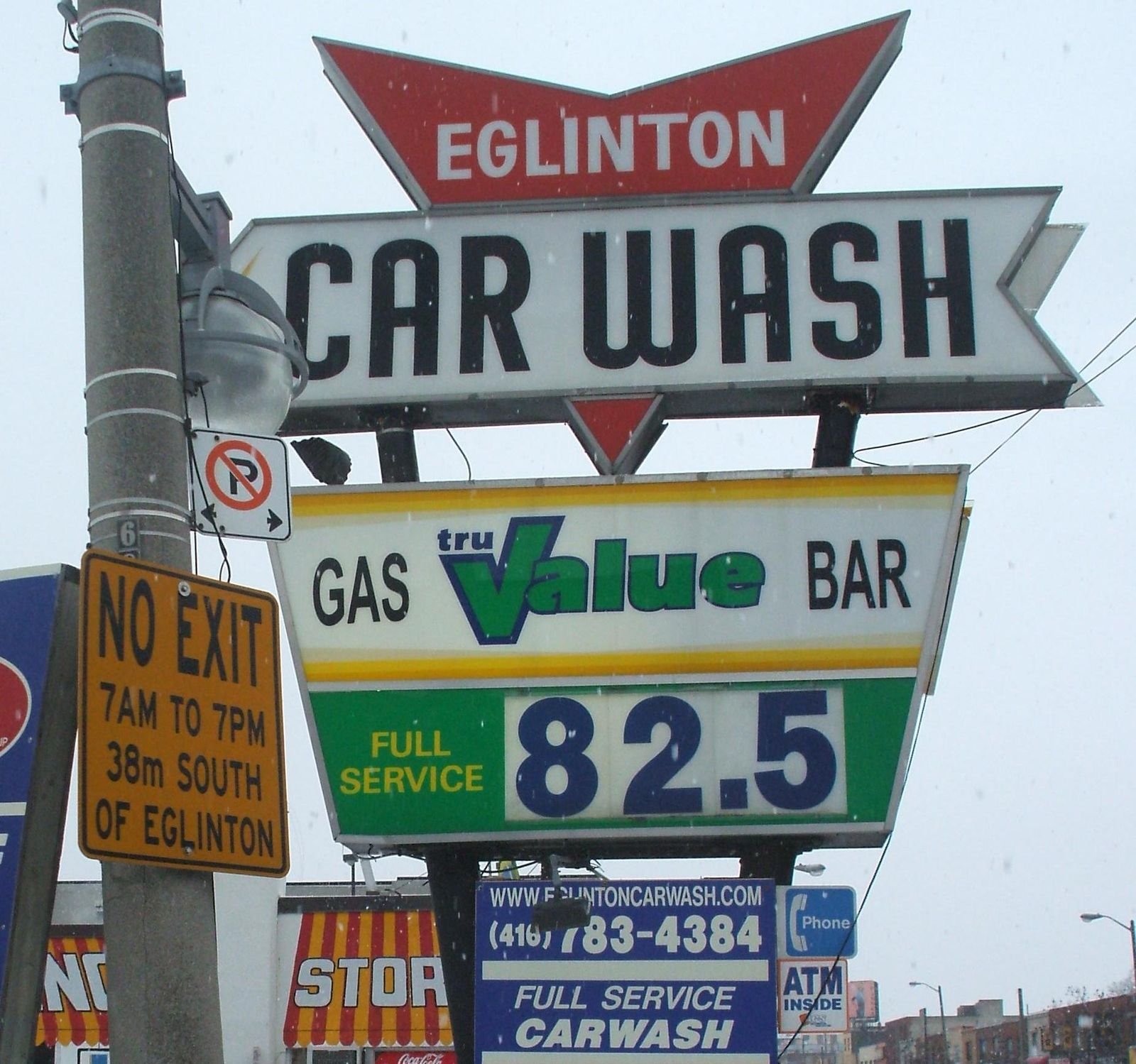
A gas-price sign on Eglinton Avenue, Toronto — Photo: Anthony Easton, CC BY 2.0

Data Desk|Canada

September CPI: gasoline lifts inflation to 3.1% while grocery inflation slows to 1.7%

Statistics Canada (19 October): the Consumer Price Index rose 3.1% year over year in September, up from 3.0% in August, led by gasoline (+27.8%). Excluding gasoline, the CPI rose 2.2%. Prices for food from stores rose 1.7%, the smallest increase since May 2024, but are still 33.0% higher than in September 2020. Fuel oil rose 57.8%. The next release is 16 November.

Daily Teabag Desk·Centre

An air-source heat pump outdoor unit (illustrative) — Photo: Ppntori, public domain

Policy Watch|European Union

The Netherlands revives its heat-pump rule: from 2029, many homeowners replacing a gas boiler will need a smart hybrid heat pump

In a 7 October 2026 letter to parliament, Housing Minister Elanor Boekholt-O’Sullivan said a new boiler alone will no longer meet the building code when an old one is replaced in homes not heading for a heat network. The rule would apply from 2029 at the earliest. Apartments and listed monuments are exempt at first. Who pays, and how much, is still being worked out.

Daily Teabag Desk·Centre
More coverage

Plenary hall of the Dutch Tweede Kamer, The Hague (illustrative) — Photo: Husky, CC BY 4.0, via Wikimedia Commons

Accountability|European Union

Dutch cabinet sends nitrogen bill to the Tweede Kamer: sector emission targets to 2035, under-threshold from mid-2027 if conditions met

On 3 November the Dutch cabinet said it is sending a bill to the House of Representatives that replaces Kritische Depositiewaarde (KDW) targets in law with sector emission targets for agriculture, industry and mobility, to be met by 2035. It also adopted the design programme of measures and aims to bring in a computational under-threshold on 1 July 2027 if the package is finalised.

Daily Teabag Desk·Centre
Prescription bottles from a U.S. retail pharmacy, with personal details blurred by the photographer (illustrative) — Photo: Bart from New York, USA, CC BY 2.0, via Wikimedia Commons

Cost of Living|United States

Labor Department finalises rule forcing pharmacy benefit managers to show large employer health plans what they earn

The Employee Benefits Security Administration’s final rule (91 FR 69092, published today) requires PBMs and affiliated brokers and consultants to disclose their direct and indirect compensation to fiduciaries of self-insured ERISA plans averaging at least 100 participants. Disclosures are due at contracting and every six months, and plans gain annual audit rights. The rule applies to plan years beginning on or after 1 July 2027. Workers do not receive the disclosures themselves.

Daily Teabag Desk·Centre
Calgary’s historic City Hall and the Calgary Municipal Building, seen from the Calgary Tower (illustrative) — Photo: Chris Woodrich, CC BY-SA 4.0, via Wikimedia Commons

Cost of Living|Canada

Alberta sets one province-wide school property tax rate, frozen for three years from 2027, and admits some towns will pay more

Alberta announced on 30 October that Budget 2027 will replace locally calculated education property tax rates with one provincial rate: $2.65 per $1,000 of assessment for homes and farmland, and $3.98 for non-residential property, locked in every three years. The province estimates owners will save $98.7 million overall in 2027–28. Where the new rate is higher than the current local rate, owners get a one-time transition credit in 2027.

Daily Teabag Desk·Centre
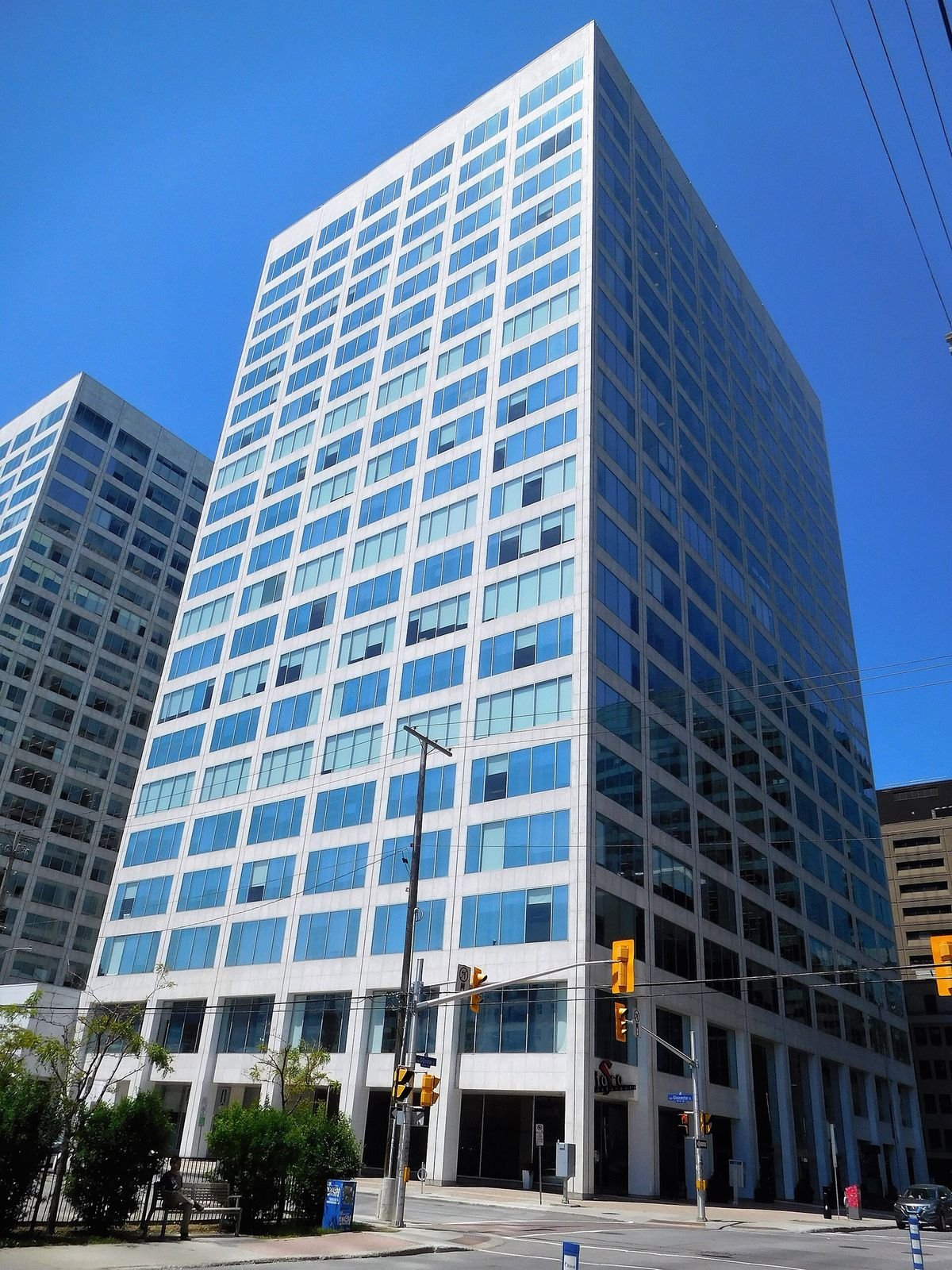
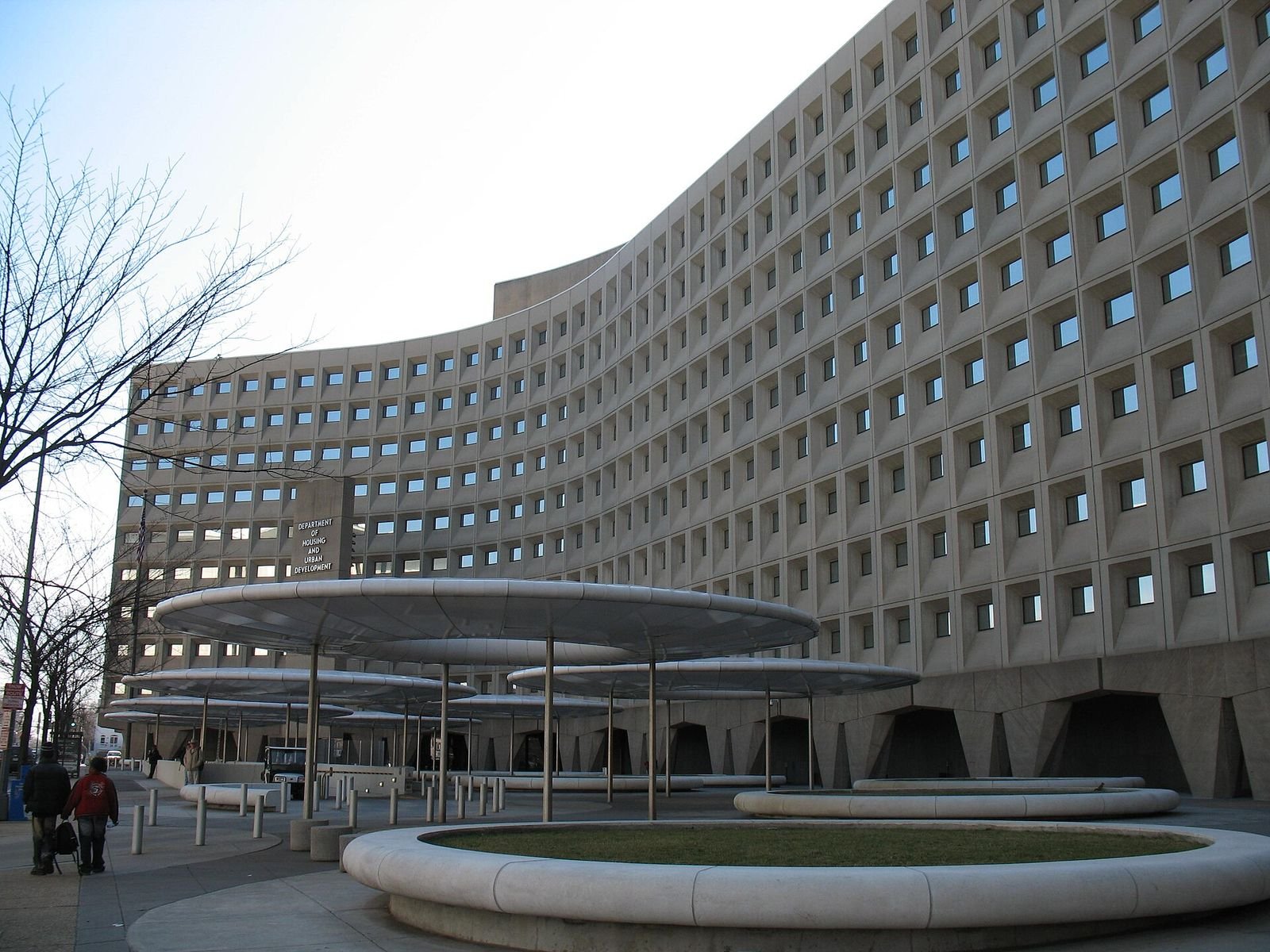
Robert C. Weaver Federal Building, HUD headquarters, Washington — Photo: Kjetil Ree, CC BY-SA 2.5

Housing|United States

Multnomah County agrees to drop “culturally specific services” points from its homeless-housing scoring after HUD probe

In a Voluntary Compliance Agreement signed 20–21 October, Multnomah County, Oregon, and its Homeless Services Department agree to remove points for an applicant’s interest in culturally specific services within seven days and to rename “English as a second language” as “language barriers”. They must rescore pending households and reset Priority Housing Pool thresholds. The county denies the allegations, and the agreement is not a HUD finding.

Daily Teabag Desk·Centre

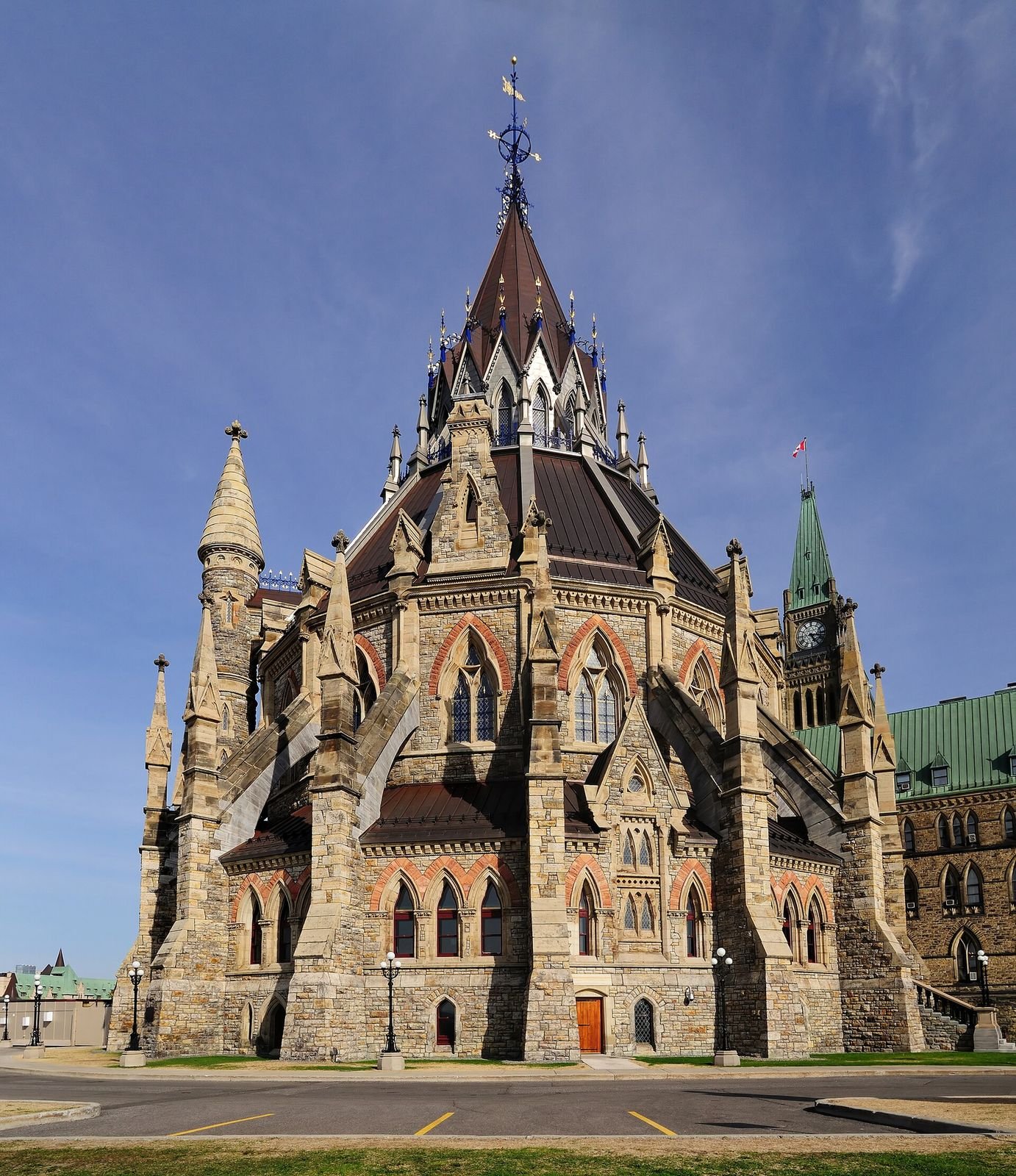
Library of Parliament, Ottawa — Photo: Wladyslaw, CC BY-SA 3.0

Debt & Fiscal|Canada

PBO: federal deficits stay above $63 billion a year to 2030-31 as Champagne sets Budget 2026 for 5 November

The Parliamentary Budget Officer’s October outlook (20 October) projects a $63.3 billion deficit this year, peaking at $70.2 billion in 2027-28 and still $67.8 billion in 2030-31. New measures since June, led by the $36 billion Productivity Mega Deduction, cost $52.6 billion over five years and outweigh the extra revenue from higher prices. Debt charges climb from $59.3 billion to $83.0 billion. The same day, Finance Minister François-Philippe Champagne said he will table Budget 2026 on 5 November.

Daily Teabag Desk·Centre
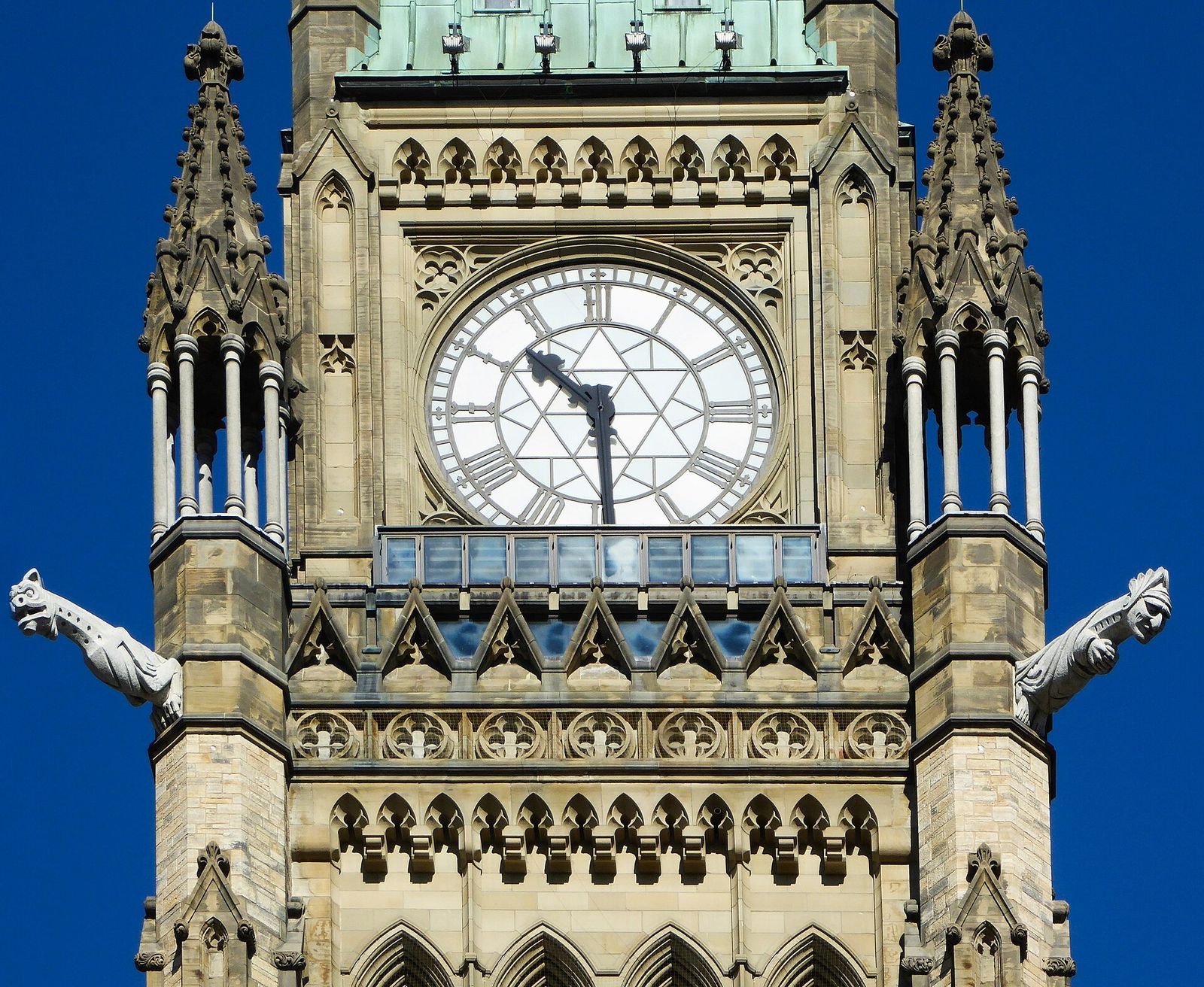
Valero refinery, Port Arthur, Texas — Photo: U.S. Coast Guard, public domain

Policy Watch|United States

EPA proposes shifting 770 million extra refinery-exemption RINs onto 2026–27 fuel standards

After granting more 2025 small refinery exemptions than it had projected, EPA is co-proposing two ways to put the extra 770 million RINs back into the 2026 and 2027 Renewable Fuel Standard obligations. EPA estimates the change adds less than one cent a gallon to gasoline and diesel. Comments are due 4 December 2026; a virtual hearing is set for 4 November.

Daily Teabag Desk·Centre

A diesel fuel sample (illustrative) — Photo: Saimouns, CC BY-SA 4.0

Cost of Living|United States

IRS waives dyed-diesel highway penalties through year-end; 7508A tax deferral guidance still to come

IR-2026-122 (14 October 2026) says the IRS will not impose section 6715 penalties when dyed diesel is sold for or used on U.S. highways. Relief is retroactive to 1 October and runs to 31 December 2026; federal fuel-tank inspections for on-road dyed fuel are suspended for that window. The agency still says it will issue further guidance on postponing the backup diesel taxes under 26 U.S.C. 7508A — that piece is not in this release. State fuel taxes are unaffected.

Daily Teabag Desk·Centre

An Esso gas station in Windsor, Ontario — Photo: Chris Woodrich, CC BY-SA 4.0

Cost of Living|Canada

PBO: the federal fuel-tax pause costs $4.9 billion this year and saves the average family $276, with top earners getting 3.5 times what the lowest get

A Parliamentary Budget Officer cost estimate for Bill C-38, published 8 October 2026, puts the cost of suspending federal fuel excise taxes from 20 April 2026 to 31 January 2027, then halving them to 31 March, at $4.943 billion in 2026-27. Average savings are $276 per family, from $132 in the lowest income quintile to $468 in the highest. The House has agreed to sit until midnight on 19 October to deal with C-38.

Daily Teabag Desk·Centre
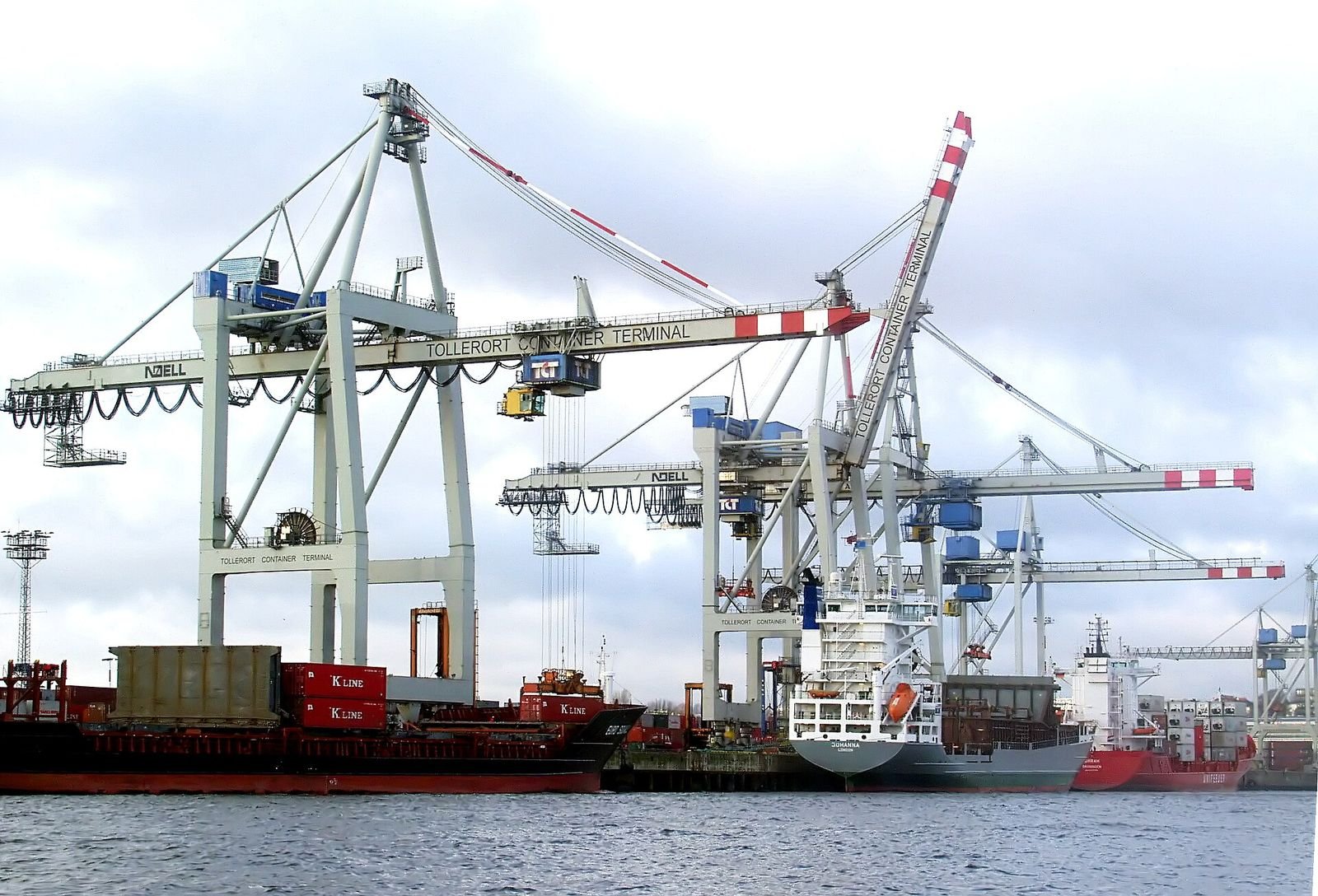
Trucks on Highway 401 near London, Ontario — Photo: Ryan Stubbs, CC BY-SA 3.0

Cost of Living|Canada

House rejects Conservative motion to scrap diesel taxes until Canada Day, 196–133

The first opposition day of the fall sitting, 6 October 2026, is a Conservative motion calling on the government to eliminate all taxes on diesel consumption until at least Canada Day, permanently eliminate taxes on diesel production, and fast-track refineries, pipelines and storage. The vote must be held by 5:30 p.m. It is non-binding, and it does not say which taxes it means. Update, 8 October: the House negatived the motion on 7 October, 133–196.

Daily Teabag Desk·Centre
Ambassador Bridge from the Detroit River, Windsor, Ontario — Photo: Chris Woodrich, CC BY-SA 4.0

Accountability|Canada, United States

U.S. bars certain Canadian alcohol, dairy and motorcycles — Section 338 exclusions hit

Presidential Proclamations 11061, 11062 and 11063 exclude specified Canadian alcoholic beverages, dairy products and motor-vehicle products from importation into the United States effective 29 September 2026 at 12:01 a.m. ET — escalating from the prior 50% Section 338 duties. CBP is rejecting covered entries in ACE. Distinct from steel tariffs that Stelco cited when idling Hamilton cold-rolled lines.

Daily Teabag Desk·Slight right
L’Esplanade Laurier, federal office towers in Ottawa — Photo: Jeangagnon, CC BY-SA 4.0

Data Desk|Canada

PBO: Carney’s operating-budget anchor misses 2028–29 — capital labels look inconsistent

The Parliamentary Budget Officer’s 24 September 2026 note on the Operating Budget Fiscal Anchor projects balance in 2029–30, one year after Budget 2025’s 2028–29 target and two years after the prime minister’s 15 September claim of a 2027–28 path. Granular Finance attributions of “operating” vs “capital” look contradictory in places.

Daily Teabag Desk·Slight right
Montreal skyline — Photo: abdallahh, CC BY 2.0

Accountability|Canada

Québec election: permanent-admission targets collide with capacity

Élections Québec set polling day for 5 October 2026. In the final Radio-Canada leaders’ debate (23 September), parties restated permanent-immigration thresholds from 35,000 (PQ) to 70,000 (Québec solidaire), with CAQ and Conservatives around 45,000 — while Liberals kept a capacity-range hedge.

Daily Teabag Desk·Slight right
Peace Tower clock, Parliament Hill, Ottawa — Photo: Pierre André, CC BY-SA 4.0

Data Desk|Canada

PBO June 2026: ~$72B deficit, debt-service climbing, fiscal-anchor odds near zero

The Parliamentary Budget Officer’s 4 June 2026 Economic and Fiscal Outlook projects the deficit rising from $36.3 billion (2024–25) to $72.0 billion (2025–26), with debt-service reaching 13.1% of revenues and under a 1% chance the deficit/GDP ratio declines every year through 2030–31.

Daily Teabag Desk·Slight right
Shopping cart in a supermarket — Photo: Nesnad, CC BY 4.0

Data Desk|Canada

Groceries cooled to +2.8% — but the five-year climb is still ~29%

Statistics Canada’s August 2026 CPI (released 14 September): all-items +3.0% year-over-year; food from stores +2.8% — first time since July 2024 below headline. Food from stores is still about +29.0% since August 2021. Next release: 19 October 2026.

Daily Teabag Desk·Centre