
Executive Order 14438, “Decreasing Housing Costs for the American People,” was signed on 22 October 2026 and published in the Federal Register on 28 October (91 FR 68007). It is three pages long and works mostly through the Federal Housing Finance Agency (FHFA), which regulates and acts as conservator for Fannie Mae and Freddie Mac (“the Enterprises”).
What the order directs
- Mortgage insurance (Sec. 2): the FHFA Director shall, if he determines it is in the interests of the Enterprises, the FHFA and the public, direct them to set up a pilot that periodically reviews loans they own or guarantee, using automated valuation models and other data, to spot borrowers who appear to have enough equity to drop mortgage insurance. Insurance would be cancelled proactively when equity, safety-and-soundness and payment-history tests are met. Servicers would have to tell borrowers promptly and cut paperwork and appraisal costs. The pilot applies only to mortgages made after it is set up.
- Title insurance (Sec. 4): the Director shall, again if he judges it appropriate, direct the Enterprises to turn their title acceptance pilot into an ongoing, nationwide program on eligible refinances, accepting an automated title review in place of a lender’s title policy. He is to consider raising the 80% loan-to-value cap, removing geographic limits, waiving appraisals and income re-verification on limited cash-out refinances that lower the monthly payment, and cutting loan-level price adjustments. The order says savings must be passed through to borrowers.
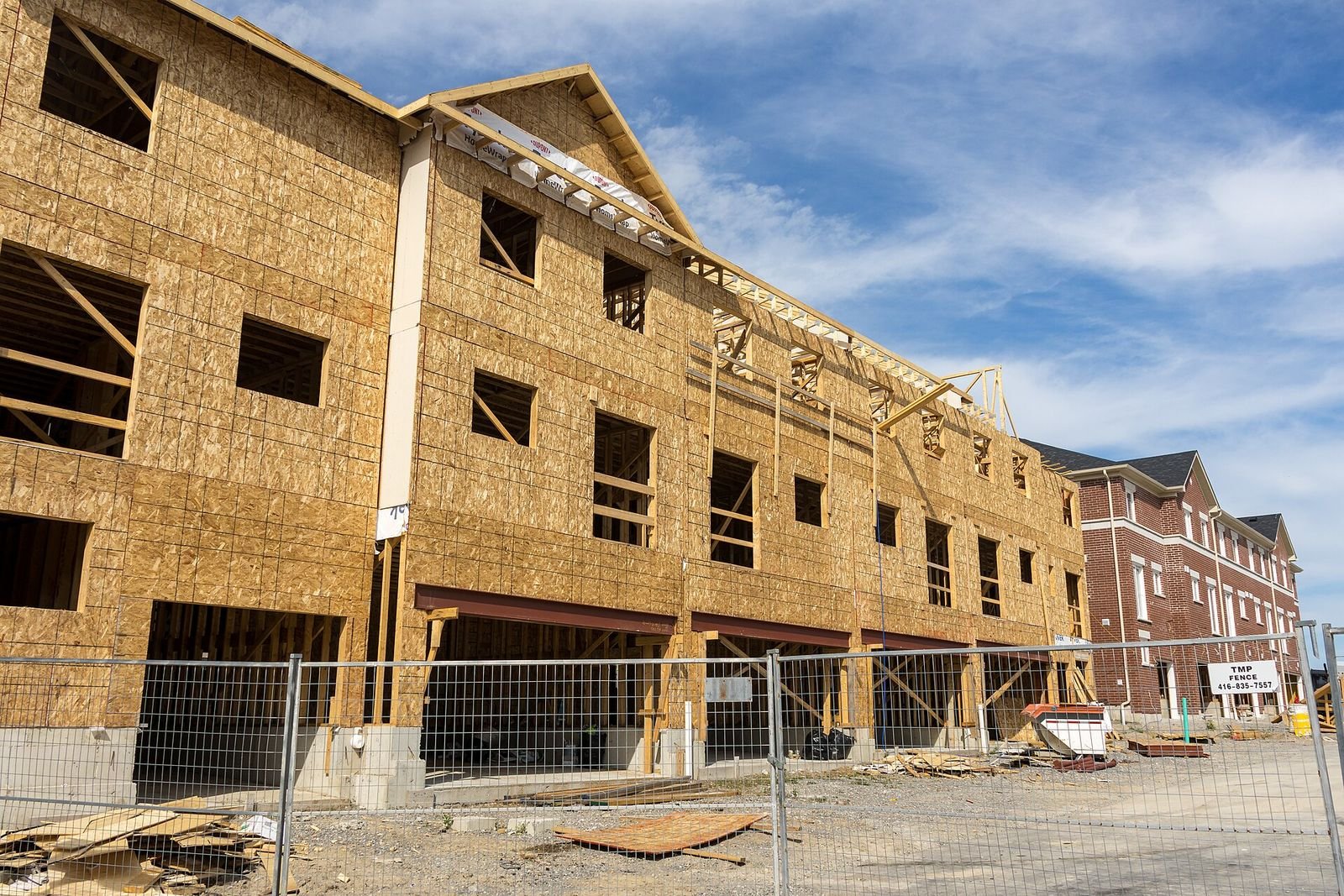
- Factory-built homes (Sec. 3): a Task Force on Manufactured Housing Innovation, co-chaired by HUD and the FHFA with USDA, Commerce and VA, has 180 days to recommend common federal specifications and inspections, reciprocal recognition of approvals, and removal of rules that impede “automation, modularization, standardized production.” It must also study whether federal grants can be conditioned on, or used to encourage, state and local adoption of standardized permitting, and draft legislative proposals.
- Direct loans (Sec. 5): USDA and VA are told to reduce the interest rates on single-family home loans they make directly, within existing law and appropriations.
“…embrace innovative risk and value assessment technologies that incorporate Super Intelligence to drive down mortgage and homeownership costs.” — EO 14438, Sec. 1
What it does not do
The order sets no dollar figure for savings, no start date for either pilot, and no rate cut for USDA or VA loans. Sections 2 and 4 are conditional on the FHFA Director’s own determination. The order creates no enforceable rights. The policy statement in Section 1 mentions “Super Intelligence,” but the operative text relies on automated valuation models and automated title reviews.
Bottom line
A housing-cost order that runs through the FHFA, Fannie and Freddie: two pilots, a 180-day task force and a direction to USDA and VA. How much anyone saves depends on what the FHFA and the agencies do next.