Skip to content
The Daily TeabagThe Daily Teabag

Desk

World desk

Cross-border stories that hit home

Trade shocks, energy prices, and multi-country patterns that do not fit a single capital — still sourced, still citizen-impact first.

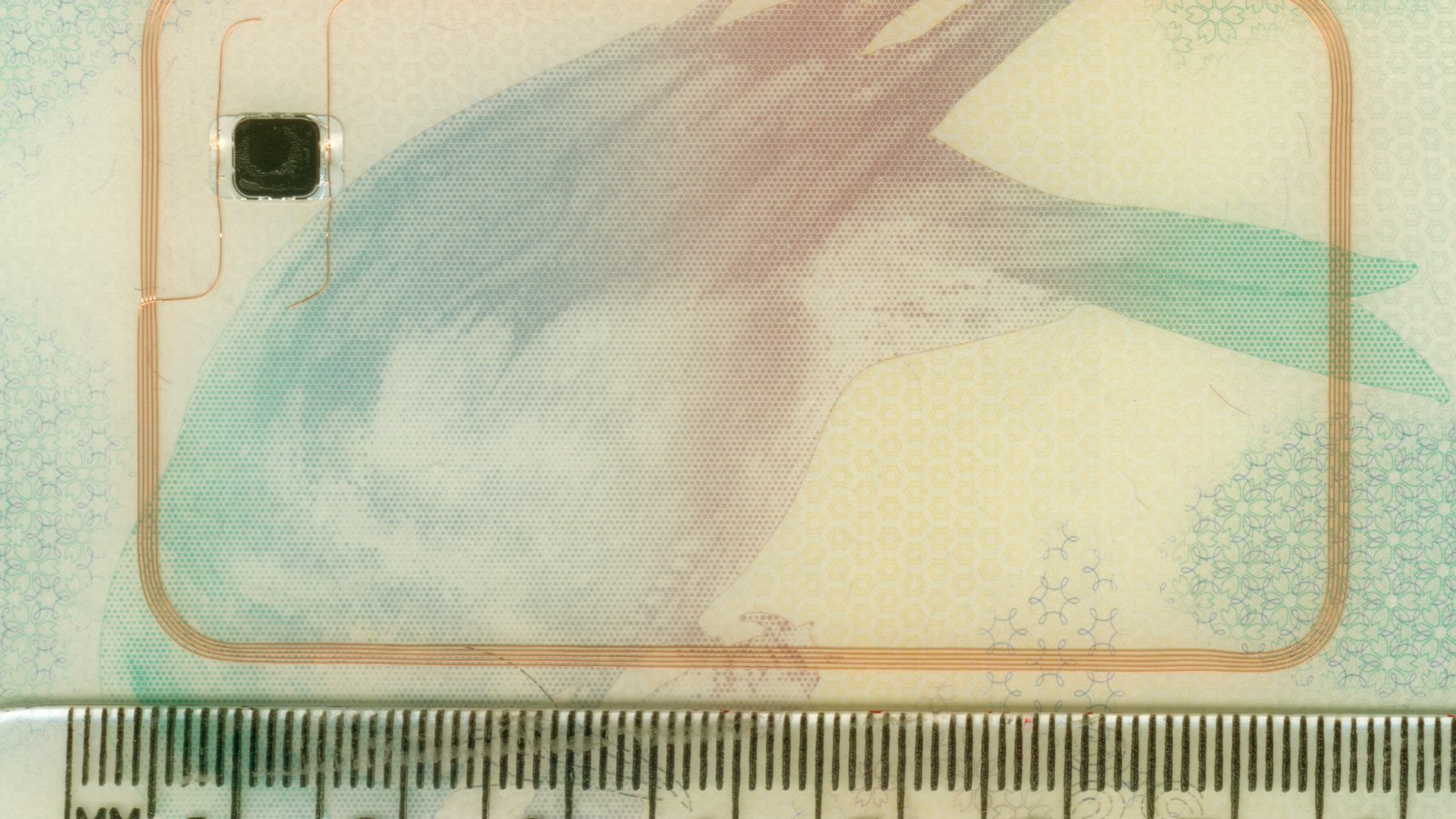
The RFID chip and antenna loop inside a British biometric passport, with a ruler for scale (illustrative) — Photo: Mike1024, public domain, via Wikimedia Commons

Policy Watch|World

UK under-16 social media ban: Ofcom names four age checks, and most need photo ID

Asked by the government, Ofcom said on 29 October that four methods can reliably confirm a user is 16 or over: photo-ID matching, digital ID services, banking-based checks and facial age estimation. Photo ID is part of the process or likely to be the fallback, and Ofcom cites an estimate that about 150,000 16- and 17-year-olds have neither a passport nor a driving licence. Many adults may also be asked to prove their age. Regulations are due before the end of 2026 and the ban takes effect in 2027.

Daily Teabag Desk·Centre
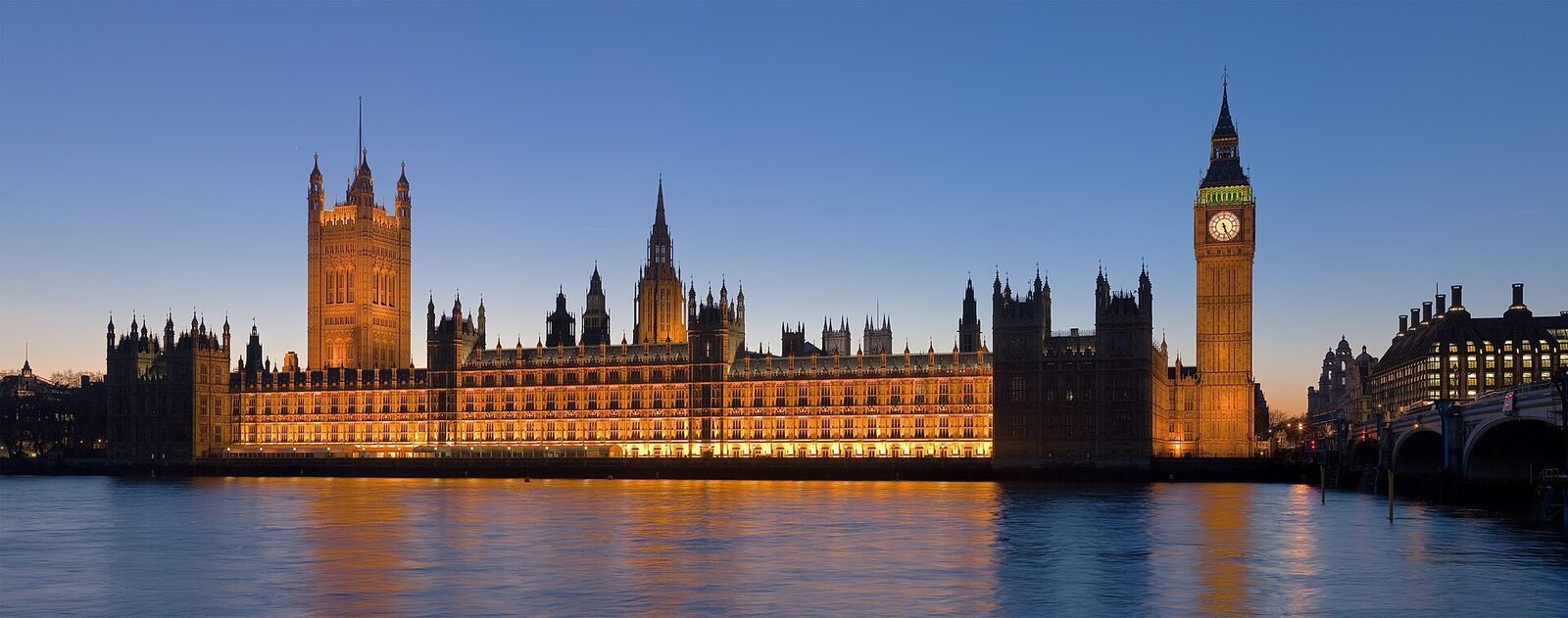
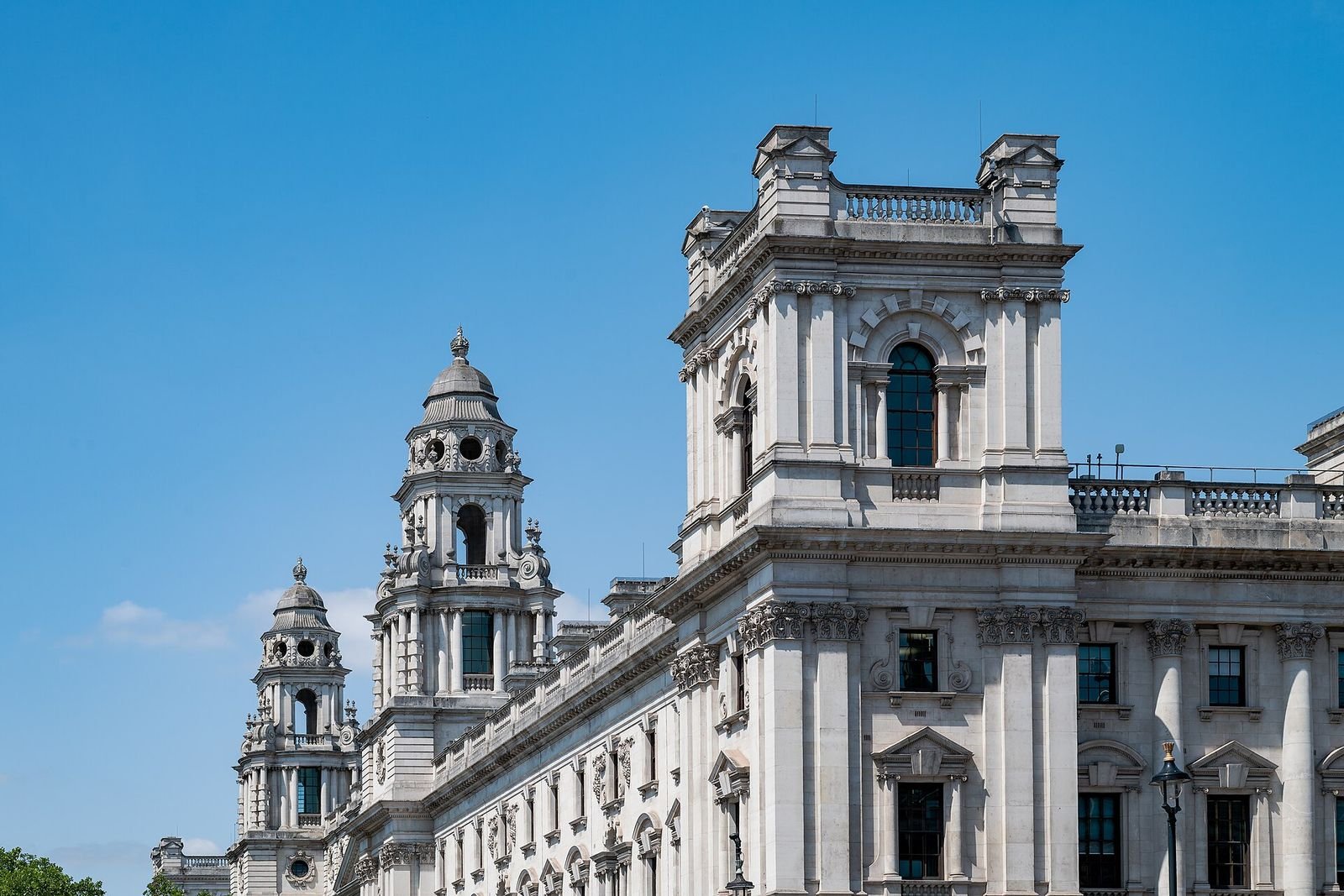
Palace of Westminster, London — Photo: Diliff, CC BY-SA 2.5

Policy Watch|World

Britain’s national digital ID is cancelled, but One Login, the GOV.UK Wallet and certified ID checks carry on

In a response published 18 September, the government told the Commons Home Affairs Committee it has cancelled the national Digital ID programme, including mandatory digital right-to-work checks. It also said GOV.UK One Login, the GOV.UK Wallet, the digital driving licence and the statutory register of certified ID-check providers continue. Since 1 October, employers who choose a digital provider for right-to-work checks must use a certified one. On 19 October the Public Accounts Committee questioned officials on what the long-term plan now is.

Daily Teabag Desk·Centre
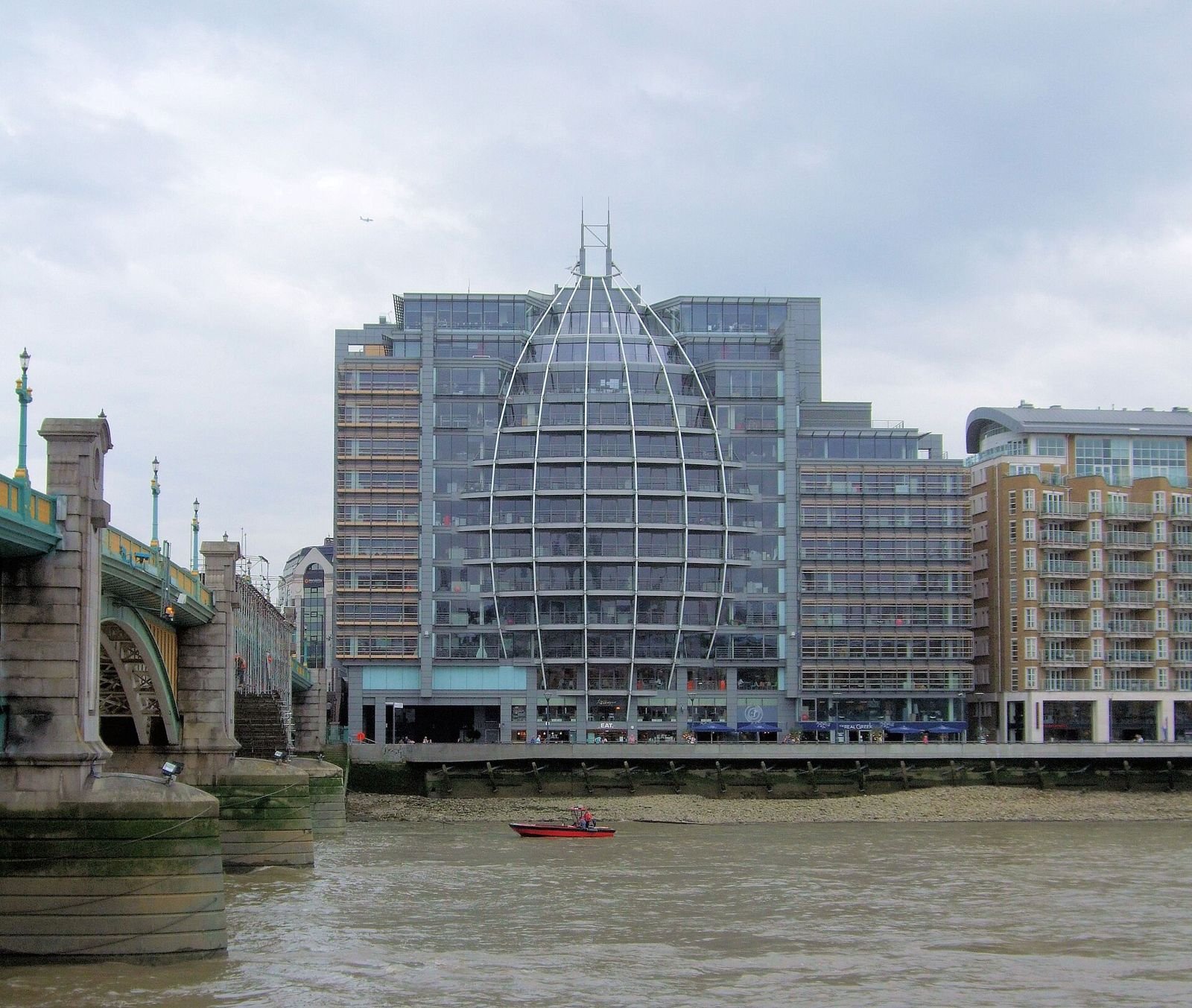
Riverside House, Bankside, London, Ofcom’s headquarters — Photo: Jim Linwood, CC BY 2.0

Policy Watch|World

UK age checks: Ofcom has fined three porn sites for failing to verify ages and is now investigating Pornhub, TikTok and Meta

Ofcom’s 15 October Online Safety bulletin lists fines of £630,000 (fapello.com), £730,000 (Xgroovy.com) and £80,000 (First Time Videos) for failing to use ‘highly effective age assurance’, provisional decisions against four more providers, and open investigations into Pornhub’s owner Aylo, TikTok and, from October, Meta over Instagram’s ‘Instants’. Ofcom is also assessing what age checks would work for a planned under-16 social media ban.

Daily Teabag Desk·Centre
HM Treasury, Government Offices Great George Street, Whitehall, London — Photo: Tilman2007, CC BY-SA 4.0

Debt & Fiscal|World

UK national debt passes £3 trillion for the first time as September borrowing reaches £24.5 billion

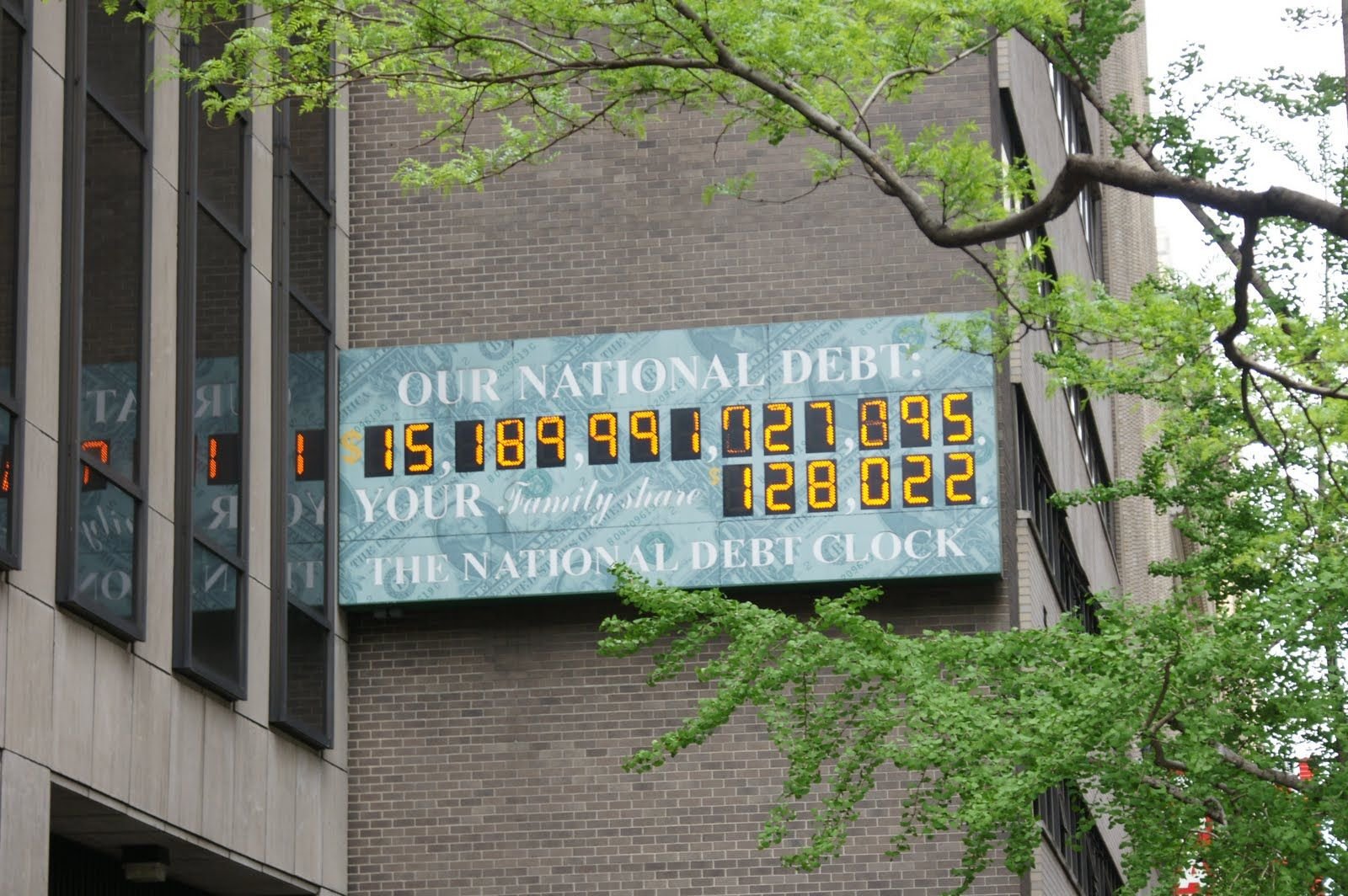
The Office for National Statistics (21 October) puts public sector net debt at £3,005.0 billion at the end of September, the first time above £3 trillion, or 94.0% of GDP. As a share of the economy, debt is 0.7 points lower than a year ago. September borrowing was £24.5 billion, £1.9 billion above the OBR forecast, with £10.9 billion in central government debt interest, the highest September since records began in 1997. The Budget is on 28 October.

Daily Teabag Desk·Centre
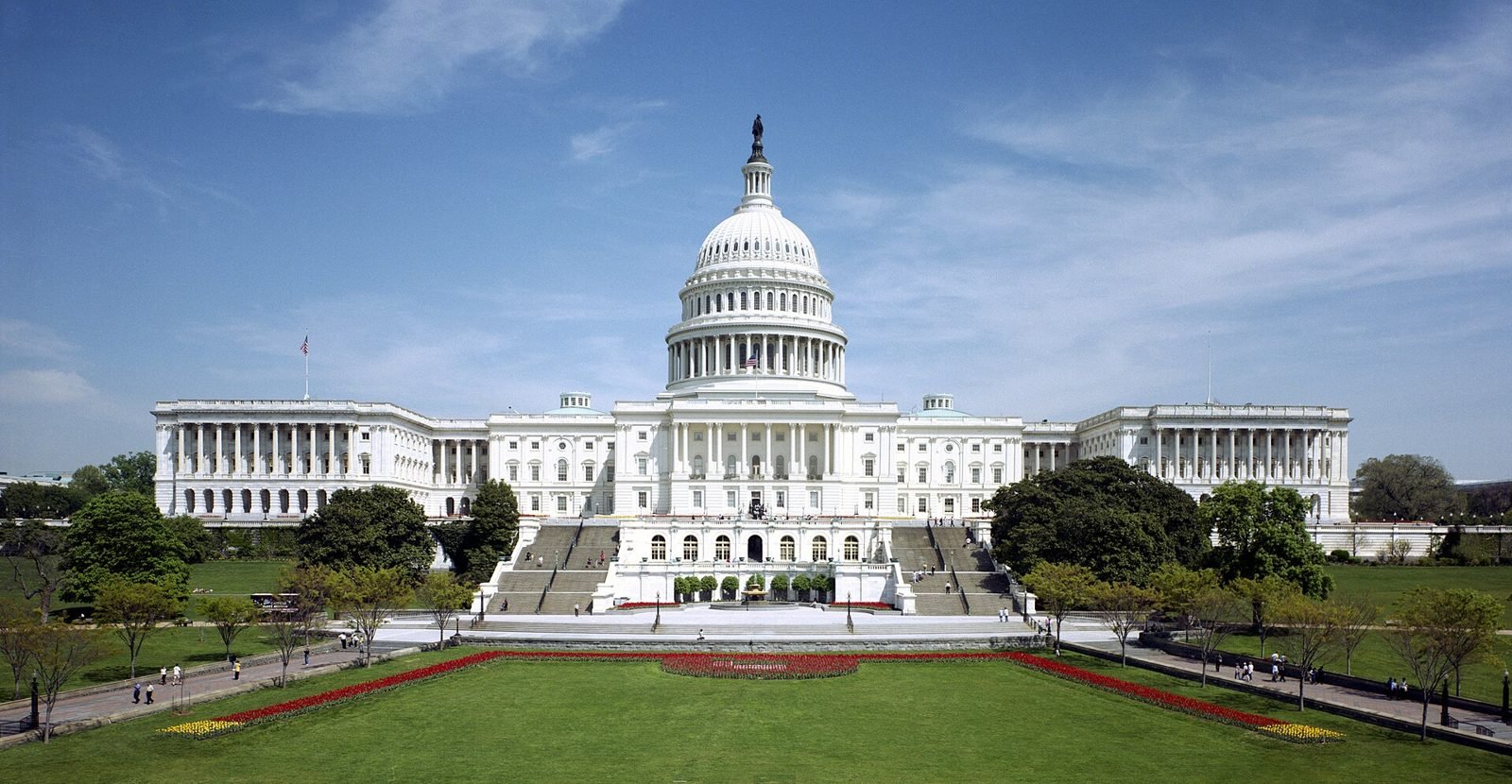
United States Capitol, west front — Congress passed the Graham Act; illustrative — Photo: Architect of the Capitol, public domain

Policy Watch|United States, World

Trump waives the Graham Act’s 500% Russia tariff, secondary oil-buyer duties and new sanctions

A 16 October 2026 presidential order implementing the Lindsey O. Graham Sanctioning Russia and Iran Act of 2026 sets out a 500% duty on Russian goods, plus 100% duties on the top five buyers of Russian crude and gas and on the top five sanctions-evasion facilitators. The same order waives all of those duties and most of the Act’s new sanctions under section 115. Existing executive-order sanctions on Russia stay in place.

Daily Teabag Desk·Centre
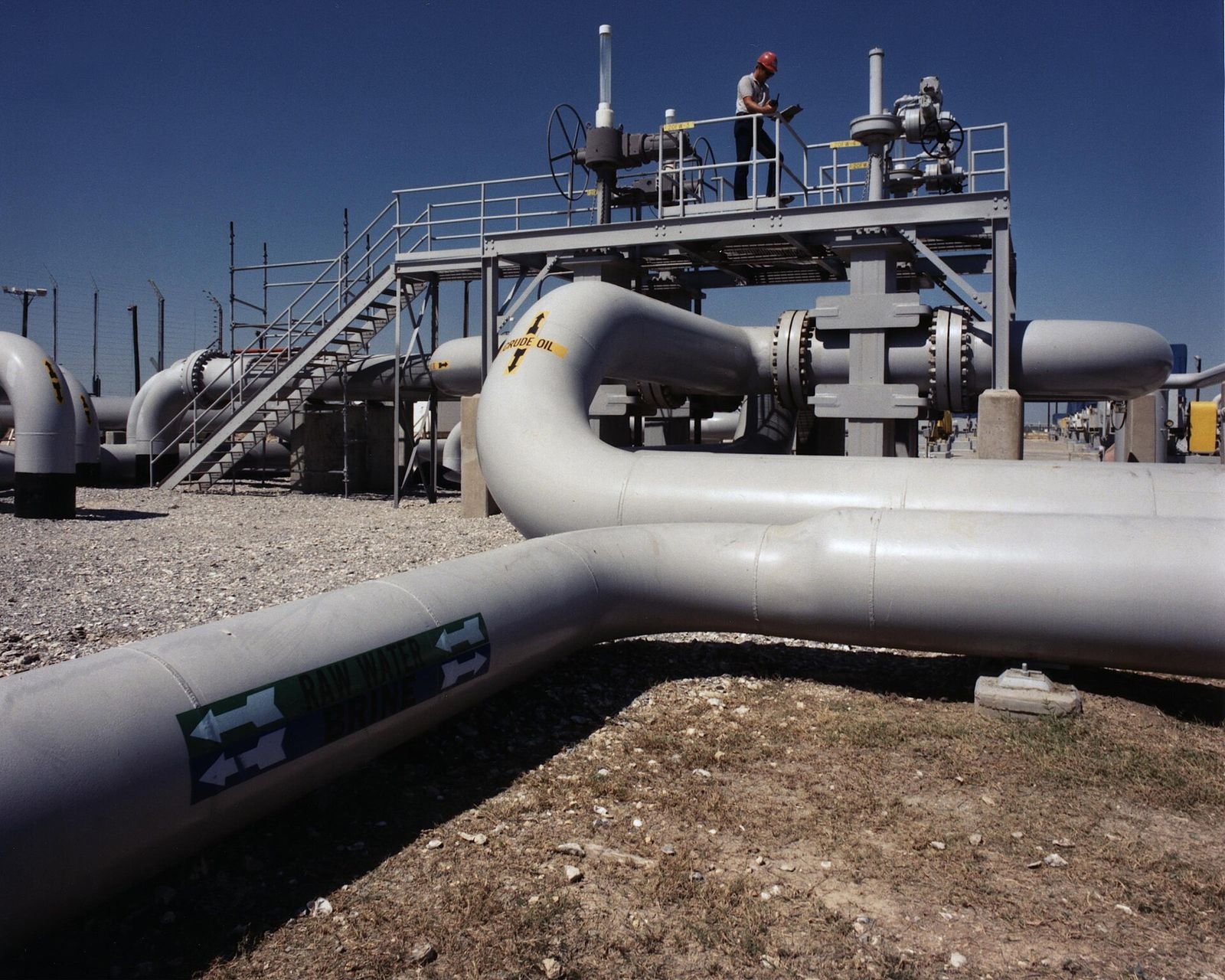
Pipes at a U.S. Strategic Petroleum Reserve site — Photo: U.S. Department of Energy, public domain

Cost of Living|Canada, United States, European Union, World

G7 orders a 100-million-barrel oil and diesel release; Canada holds no emergency stocks to draw

On 2 October 2026 G7 leaders agreed a coordinated IEA release of 100 million barrels over four months, with a front-loaded diesel release within 20 days, plus refinery-maintenance coordination and a pledge against energy export bans among members. Canada, a net exporter, has no IEA stockholding obligation and no public emergency oil stocks, so its role is on the refinery and supply side.

Daily Teabag Desk·Centre