England’s KCSIE 2026: involve parents before social transition — Cass caution enters safeguarding
Keeping children safe in education 2026 (in force 1 Sep 2026) folds gender-questioning guidance into the statutory safeguarding rulebook. Official consultation response: parents’ views should carry great weight; no standalone guidance pamphlet.
Why this lean: Slight right-of-center (+15): official safeguarding document with Cass clinical caution that re-centers parents versus prior affirmative school-practice narratives. Mild lean only; primary sources are GOV.UK PDFs.
Lean score (−100 far left to +100 far right; 0 = centre) reflects how this article frames the issue — language emphasis and narrative tilt — not a verdict on truth. Data-first pieces with balanced sources trend toward centre. Disclosed for transparency; not a ranking of correctness.
Lean score (−100 far left to +100 far right; 0 = centre) reflects how this article frames the issue — language emphasis and narrative tilt — not a verdict on truth. Data-first pieces with balanced sources trend toward centre. Disclosed for transparency; not a ranking of correctness.
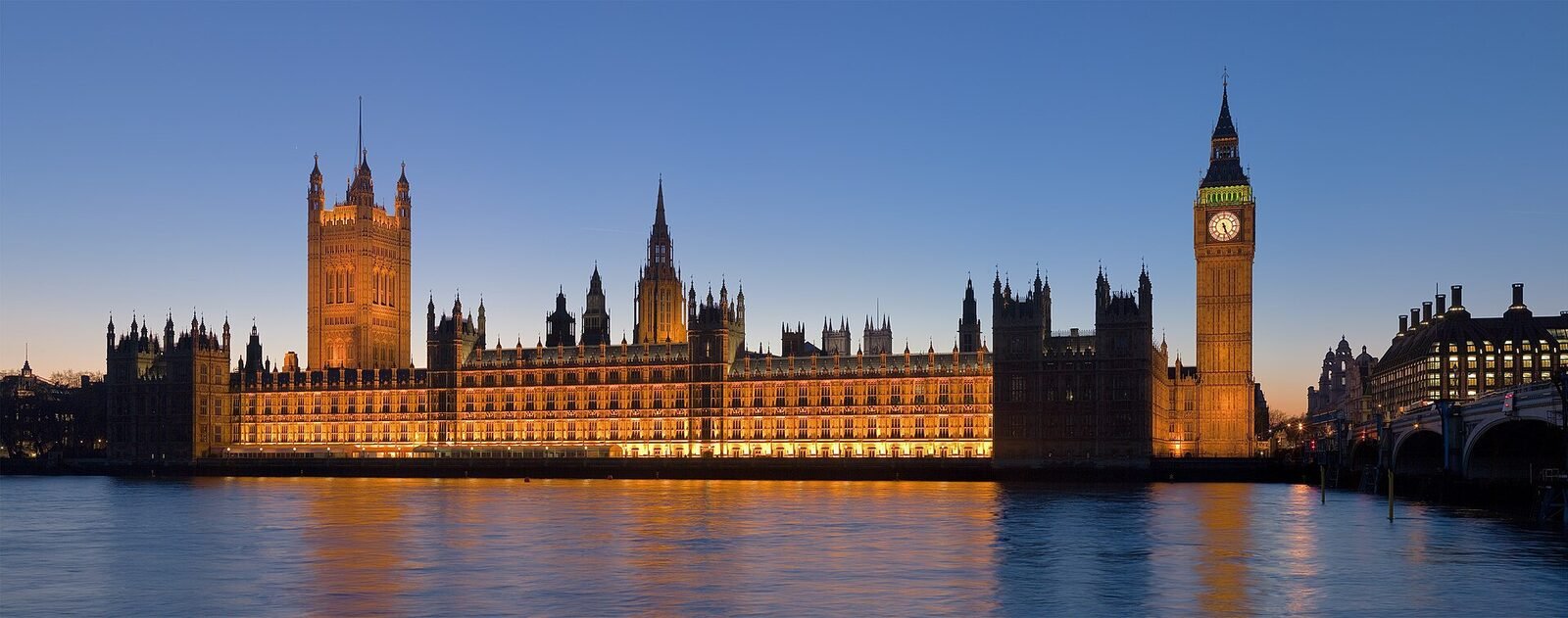
England’s Department for Education put Keeping children safe in education (KCSIE) 2026 into force from 1 September 2026. After the Cass Review (2024) and a consultation on Gender Questioning Children guidance, the government said it would not publish standalone gender-questioning guidance; content goes into KCSIE so safeguarding is handled “in the round,” with parents’ views carrying “great weight.”
Cass-informed caution is now inside England’s statutory safeguarding handbook — not a protest flyer.
Citizen impact (England): Schools should not initiate social transition; parental engagement is the priority. Law-firm explainers citing final KCSIE paragraphs (~266–269) report: only rare cases where involving parents creates greater harm go to the designated safeguarding lead; a child confiding without requesting changes generally does not trigger parent disclosure; full social transition in primary is expected to be very rare. Read the GOV.UK PDF, not secondary spin alone.
Official documents
The government consultation response PDF and the KCSIE 2026 statutory guidance PDF are the primary sources. Earlier draft non-statutory guidance had already emphasized making parents aware of requests and expecting parental consent in the vast majority of cases — context for what was folded into KCSIE.
Contested reception
Consultation respondents split: some fear “outing”; others say guidance still under-protects parental primacy. The safeguarding exception when informing parents creates greater risk of harm remains. That exception is real policy, not a gotcha invented by either side.
Worldwide beat
Same three fights as Maryland, California, and Alberta — England answered with Cass-informed safeguarding text inside KCSIE rather than a U.S.-style Free Exercise injunction or an Alberta-style Education Act amendment.
Bottom line
England’s new rulebook leans toward parents before social transition, with a documented harm exception. Region tag for this desk: World.
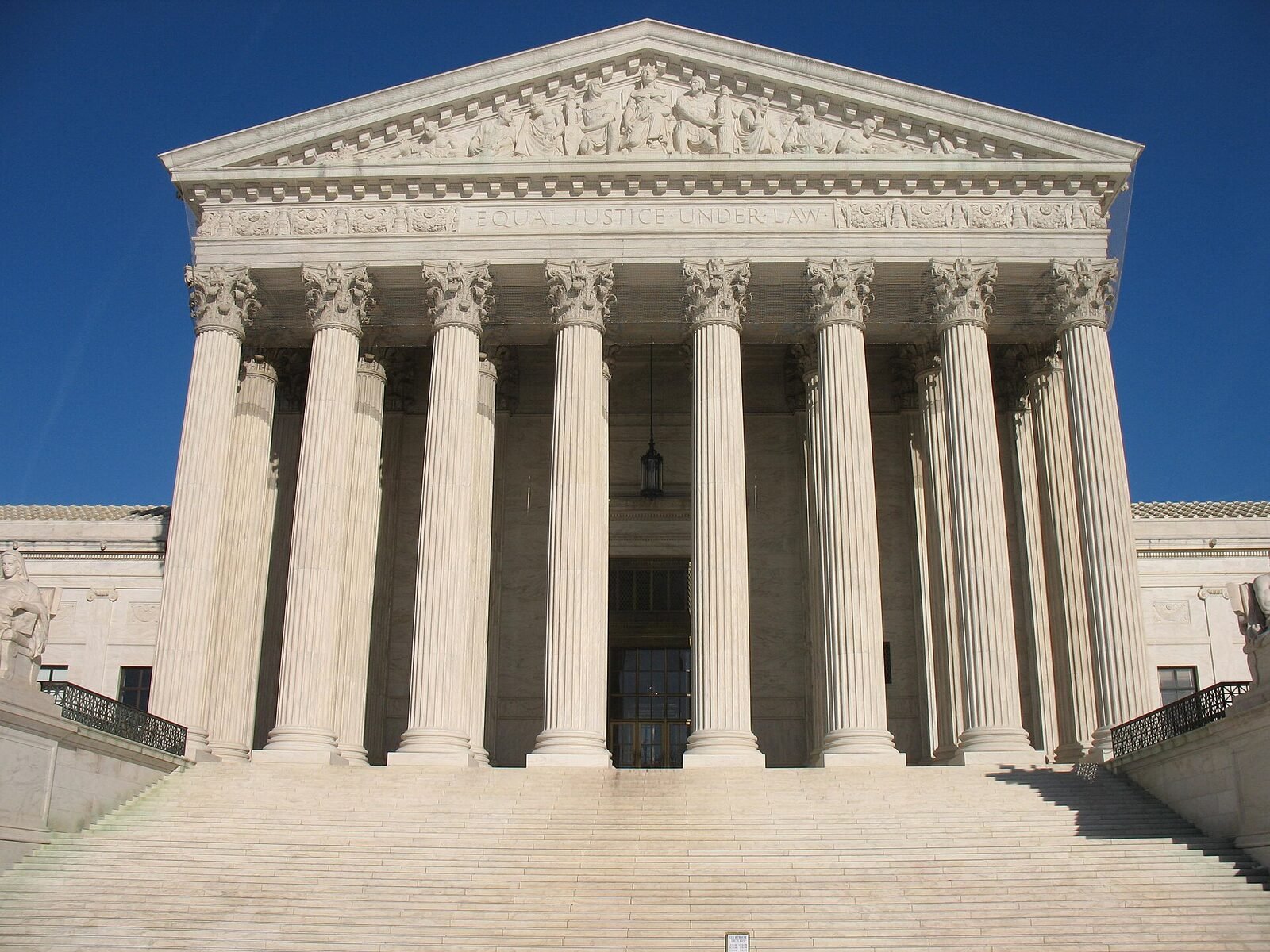
Mahmoud v. Taylor (27 Jun 2025) required notice and opt-outs for Montgomery County’s LGBTQ-inclusive elementary storybooks. A Feb 2026 permanent injunction and reported $1.5M settlement closed the district chapter — the Free Exercise precedent travels.
Education Amendment Act 2024 (Bill 27) took effect 1 Sep 2025: notify parents of gender-related name/pronoun requests; consent under 16; parental opt-in (not opt-out) for explicit gender/sexuality subject matter. Egale/Skipping Stone challenge followed within days. Do not conflate with Bill 26’s gender-care injunction.
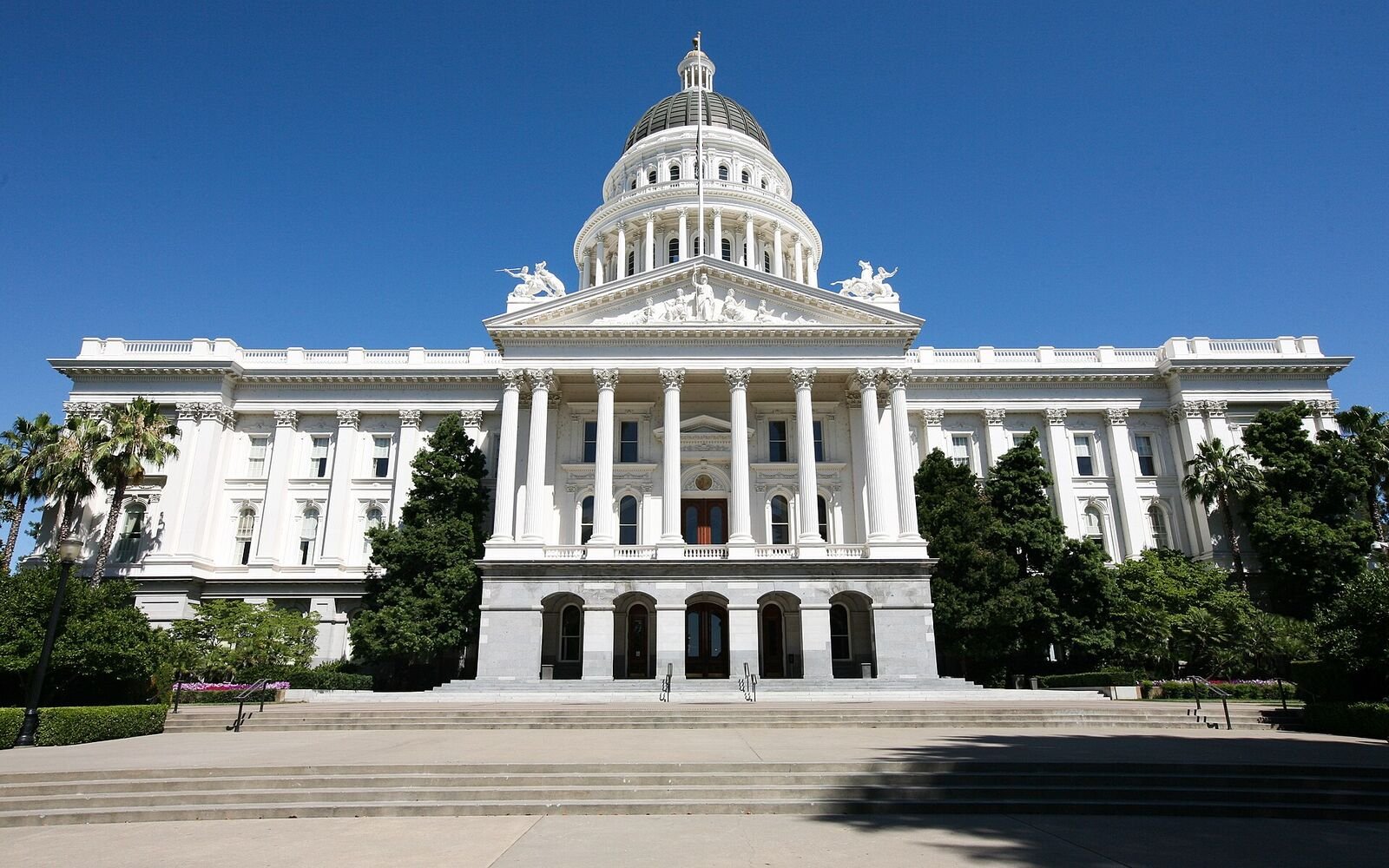
A Southern District of California order dated 14 September 2026 approved a $175,000 settlement in S.E. v. Grey, vacated the May 2025 preliminary injunction, and dismissed the case with prejudice — after Encinitas Union School District had already rewritten notice-and-opt-out rules in the shadow of Mahmoud v. Taylor.
HB 1557 (2022) restricts classroom instruction on sexual orientation or gender identity in early grades and strengthens parental notification on student well-being. The March 2024 Equality Florida settlement left the statute intact while clarifying it is not a ban on ‘saying gay,’ library books, GSAs, or mere discussion.