Statistics Canada’s The Daily for 19 October 2026 reports that the Consumer Price Index (CPI) rose 3.1% in the 12 months to September, after a 3.0% rise in August. Gasoline led the acceleration: +27.8% year over year in September, up from +22.8% in August. Excluding gasoline, the CPI rose 2.2%, down from 2.4%.
Month over month, the CPI rose 0.1%. On a seasonally adjusted basis it rose 0.4%.
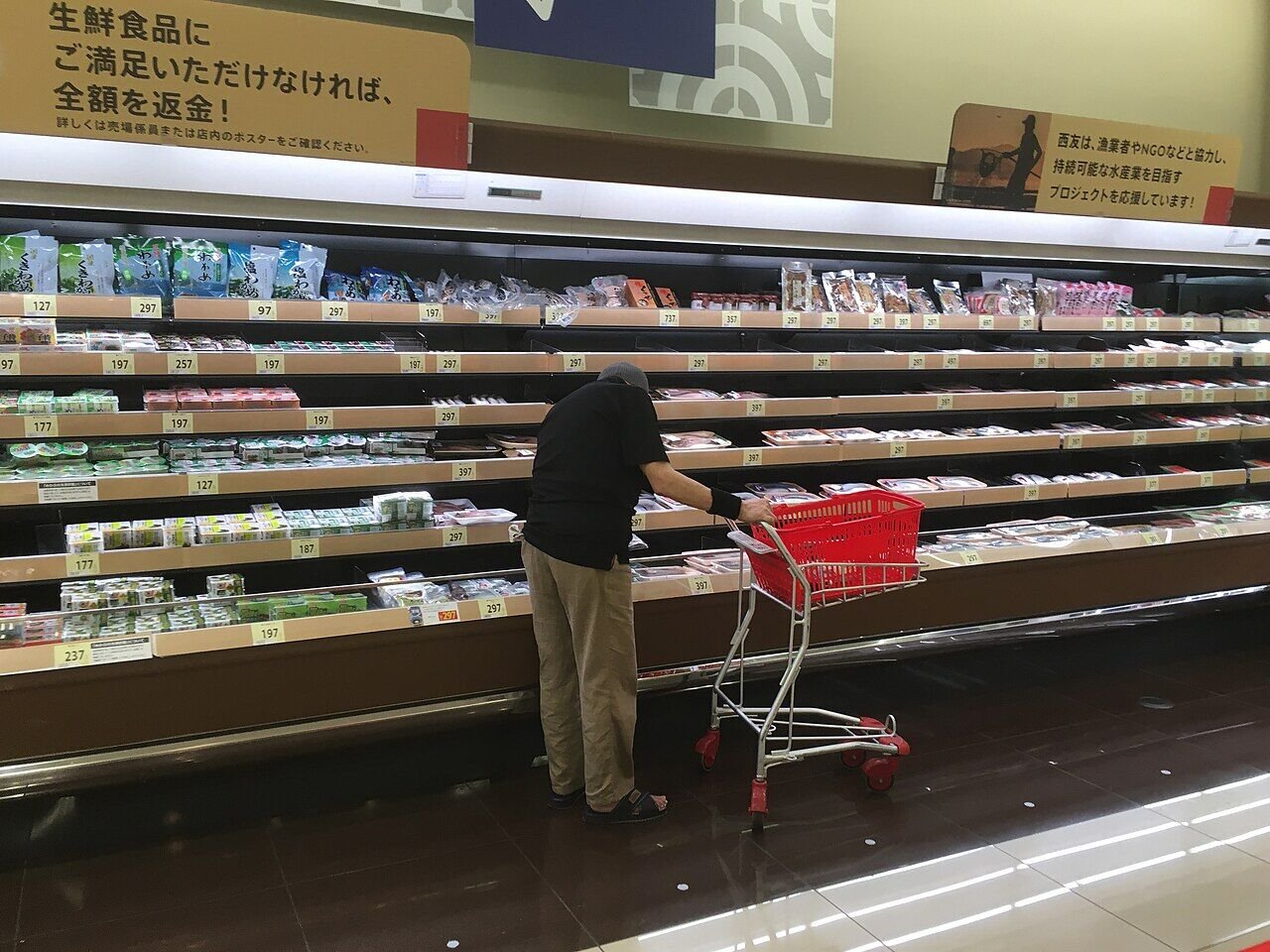
Groceries rose 1.7% in a year, the smallest increase since May 2024. StatCan adds that grocery prices are still 33.0% higher than in September 2020.
Energy: the driver
- Energy prices rose 19.0% year over year, after 15.4% in August. StatCan points to crude prices reaching their highest level since May “amid ongoing uncertainty about the wars in the Middle East.”
- Gasoline rose +27.8%. The switch to cheaper winter-blend fuel moderated the increase.
- Fuel oil and other fuels rose +57.8%, after +43.7%. StatCan says this hit Atlantic Canada harder, where fuel oil is more widely used.
- Transportation prices overall rose 8.4%.
Groceries: slower, not cheaper
Prices for food purchased from stores rose 1.7% after 2.8% in August. It was the second month in a row that grocery inflation ran below the all-items rate. Fresh vegetables (−2.9%) and sugar and confectionery (−2.7%) fell. Fresh or frozen beef rose +8.7%, slower than August’s +11.0%. StatCan notes that grocery prices are up 33.0% since September 2020.
Shelter, rent and tuition
Shelter prices rose 1.8% (August: 1.5%). Higher fuel oil costs and homeowners’ insurance (+4.9%) drove the increase. Rent rose 2.8%, the same as in August, with the fastest provincial rent increases in Atlantic Canada. The mortgage interest cost index fell 0.2%. Tuition fees, priced each September, rose 2.4% in 2026. In Ontario they rose 2.1%, the largest increase since 2018, after the province ended its tuition freeze.
Excluding energy, prices rose 2.1% nationally. Inflation excluding energy was higher in Nova Scotia (+3.3%), Prince Edward Island (+2.6%), New Brunswick (+2.6%) and Newfoundland and Labrador (+2.4%).
What this piece refuses
Do not write that “groceries are getting cheaper.” Store-food prices still rose 1.7%, and only some categories, such as fresh vegetables and sugar, fell. Do not present the 2.2% ex-gasoline figure as “the” inflation rate. The official all-items rate is 3.1%. Do not attribute the gasoline increase to any single tax or policy. StatCan cites crude oil prices and the Middle East wars.
Bottom line
Verified from Statistics Canada’s 19 October release: CPI +3.1% (gasoline +27.8%, energy +19.0%, fuel oil +57.8%). Groceries +1.7%, the slowest since May 2024 but +33.0% over five years. Rent +2.8%. The October CPI is due 16 November 2026.