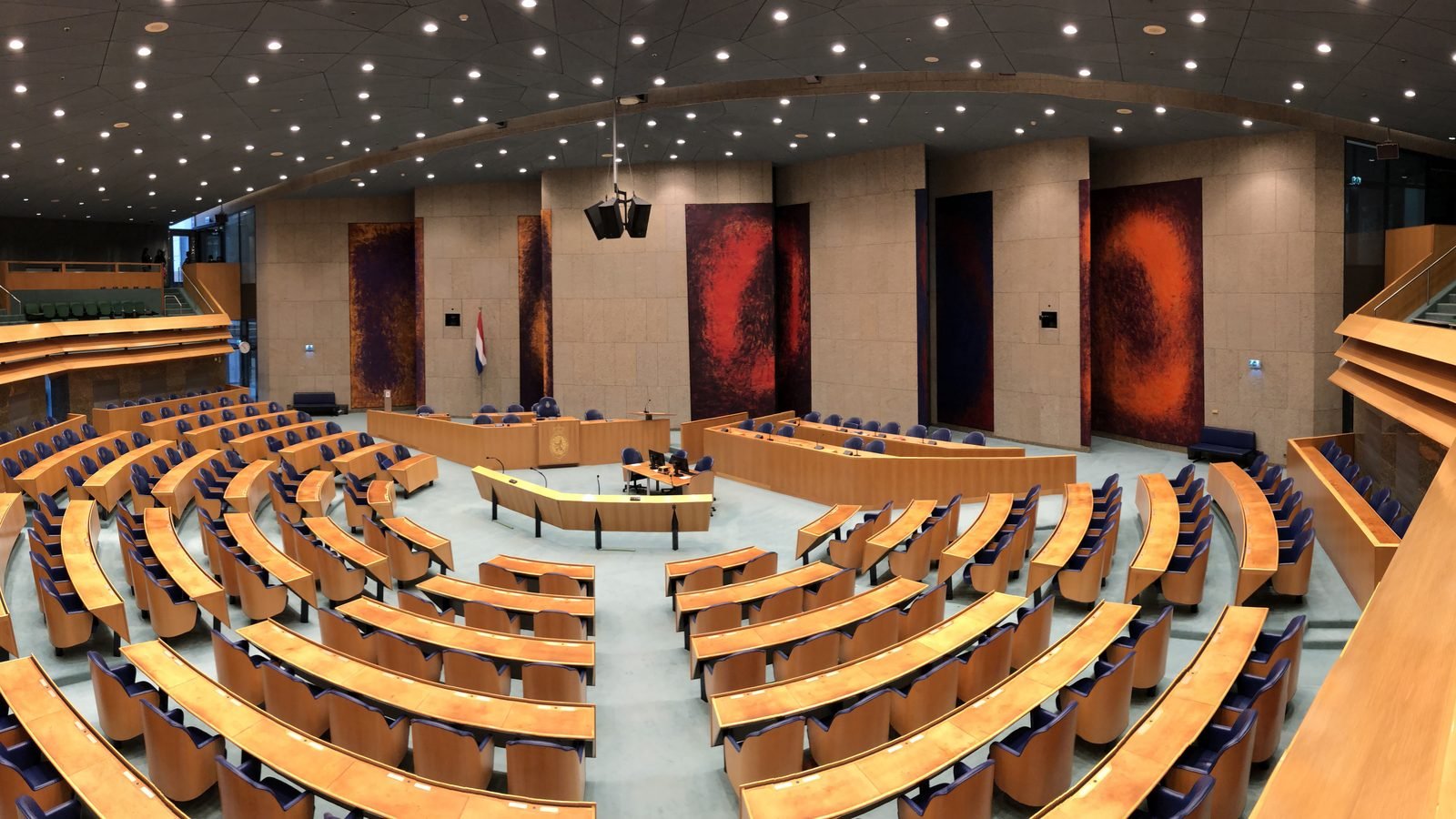
On Monday 3 November 2026 (news release timed 16:00), the Dutch government published a Rijksoverheid notice: it is fixing in the nitrogen (stikstof) approach and sending a wetsvoorstel to the Tweede Kamer that replaces today’s nitrogen goals with emission targets per sector for agriculture, industry and mobility. The same day it says it adopted the Programma Landbouw, Natuur en Stikstof design programme of measures.
From moving KDW deposit goals to sector emissions
- Today’s statutory goals are based on the Kritische Depositiewaarde (KDW) — the nitrogen-deposition threshold above which nature is at risk of damage. The cabinet calls the KDW in law a moving target that creates uncertainty.
- The bill substitutes uitstootdoelen (emission targets) that sectors “have more grip on.” For agriculture the task is to be set in kilotonnes.
- Targets are to be met by 2035. A first measurement is planned for early 2028; if off track, the cabinet says it will intervene.
“In juni kozen we de richting. Vandaag leggen we de route vast. Daarmee doen we wat nodig is om weer vergunningen te verlenen.” — Minister Jaimi van Essen (LVVN), Rijksoverheid 3 Nov 2026
Zones, provincial plans, and default state rules
Zones around vulnerable Natura 2000 nature are described as the core of the approach — not only nitrogen but also drought, fragmentation and water quality. Provinces get until September 2028 to produce area-specific plans; if they do not, intended national rules would apply, including a land-based livestock norm of 1.5 GVE per hectare at area level, a nitrogen norm of 170 kg N per hectare per year, and crop-protection rules, with a ministerial power to switch a rule off where it is not needed for that area.
Computational under-threshold — conditional, 1 July 2027
To unblock permitting (including housing projects with low deposition, and many PAS-melders/interimmers), the cabinet wants a legally durable rekenkundige ondergrens as soon as possible. It says it is accelerating introduction to 1 July 2027, conditional on the goals and measures package sent to the Kamer being finally adopted, and on zone rules and “beheersmaatregelen” being formalised with the provinces.
Farmer support the cabinet lists
- A large share of a cited €20 billion package is for farmers who innovate, extensify, convert, relocate or stop; schemes are listed at groeiennaarmorgen.nl.
- More than €9 billion is described as available for the zone transition (extensive-farming subsidy, relocation, case managers, voluntary exit openings).
- If chain parties do not agree by 1 April 2027 how to reward farmers for environment/water/nature services, the cabinet says it will legislate that by 1 January 2029.
What this piece does not say
We have not pulled the full kamerstuk PDF text into this article; claims below track the Rijksoverheid news notice of 3 November. We do not say the under-threshold is already in force, or that every PAS-melder is cured. We do not treat DutchNews or other secondary tips as the authority.
Bottom line
Cabinet bill to the Tweede Kamer: replace KDW-based goals with sector emission targets to 2035, adopt the design programme, aim for a computational under-threshold on 1 July 2027 if conditions are met, and list farmer support from a €20B package — still subject to parliamentary adoption.