Denmark has rewritten its farm-nutrient statute. On 3 September 2026 the Folketing adopted Lovforslag L5 — Lov om bæredygtig forvaltning af næringsstoffer og drivhusgasser m.v. i land- og skovbruget (gødskningsloven) — the successor framework for fertiliser use, nutrient accounts, and greenhouse-gas measures on agricultural and forestry land. The adopted text sets commencement for 1 January 2027.
Outcome-based nutrient and GHG rules, registries, and ministerial quotas — not a slogan. The law’s force date is 1 January 2027.
What the adopted Act does (from the PDF)
Purpose (§1): protect nature, environment, climate and health by managing nutrients and GHGs from land- and forestry activity — preventing water/air/soil pollution from fertiliser, protecting wildlife habitats, limiting odour/dust, cutting GHG from fertiliser and livestock operations, promoting best available technique, and involving the public.
Core tools include:
- Ministerial power to set frameworks and measures for nutrient and GHG emissions, including leaching limits, emission quotas, and flexible year-to-year compliance (§§5–6).
- Powers on fertiliser application ceilings for nitrogen and phosphorus per hectare (§7).
- A Register for Emission and Fertiliser Accounts with mandatory registration thresholds for livestock N production / ha / 10-ha farms (§12), plus a fertiliser-supplier register (§15).
- Mark-and-emission plans and annual emission/fertiliser accounts for covered businesses (§§16–18), with five-year document retention (§20).
- Inspection powers including access without court order where necessary (§41), administrative orders, and criminal fines (up to imprisonment in aggravated cases) (§53).
- Expropriation authority for measures under the Act, with full compensation (§11).
§57: the Act enters into force 1 January 2027 and repeals the prior fertiliser-use statute (lovbekendtgørelse nr. 1053 af 21. august 2025), with transitional rules for earlier plan periods.
Politics and protests
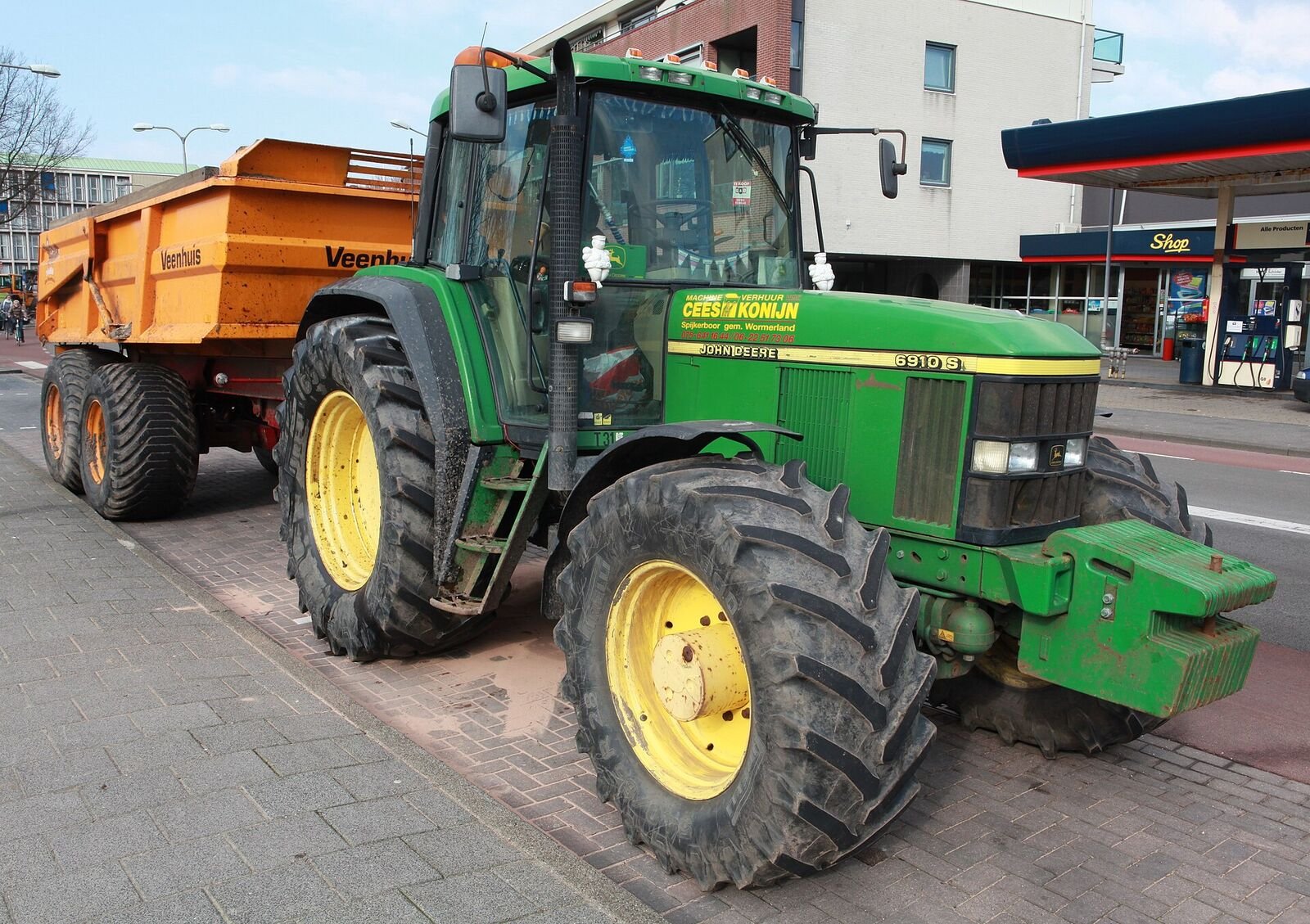
Danish farm media and public broadcaster coverage describe L5 as contested, with tractor demonstrations in Copenhagen around early September before third reading. Exact turnout and vote tallies belong to parliamentary records and contemporaneous reporting — this piece anchors on the adopted text and force date rather than inventing street counts.
Contested: Government/environment advocates: water-quality and climate targets require outcome-based farm rules. Farmers: cost, paperwork, and land-use pressure akin to Dutch nitrogen fights. Pair this file with our Netherlands Prinsjesdag coverage — related EU nitrate politics, different national statutes.
Bottom line
Do not claim Denmark “banned fertiliser” or invent nation-wide farm-closure numbers. Verified: Folketing passed L5 on 3 September 2026; new gødskningslov framework in force 1 January 2027.