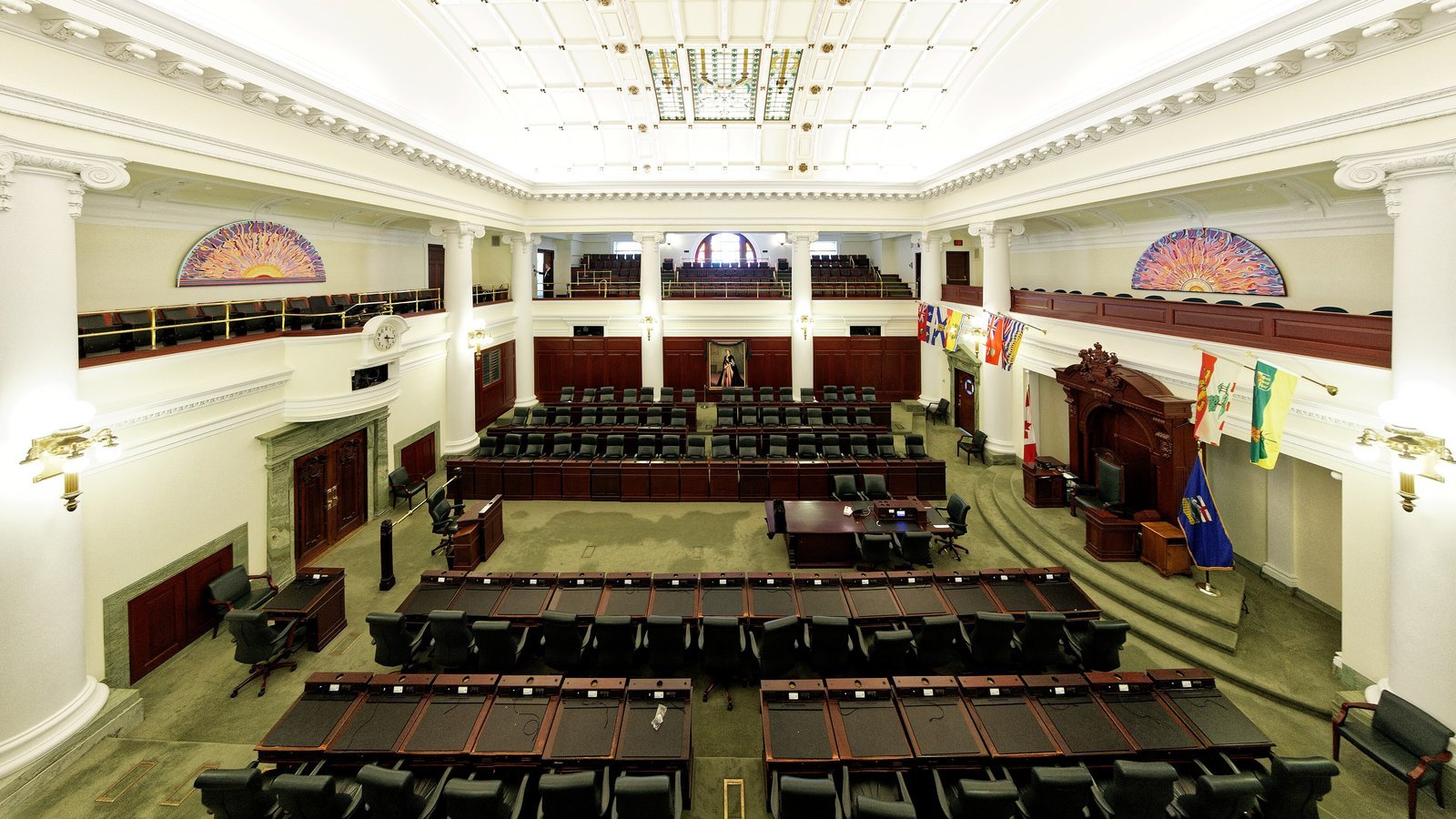
Alberta Justice Minister Mickey Amery introduced Bill 33, the Justice Statutes Amendment Act, 2026 (No. 2), on 27 October 2026. It is a multi-act bill; the two parts most likely to touch Albertans are on public-sector hiring and on intimate images, including AI-generated ones. It takes effect on proclamation if passed.
1. Hiring and training at “provincial bodies”
According to the government’s bill page and news release, the amendments to the Alberta Human Rights Act would:
- prohibit provincial bodies from using programs, policies or activities under section 10.1 of the Act (the provision that allows special programs to improve conditions for disadvantaged groups) when making hiring or promotion decisions, “except in limited circumstances set out by regulation”;
- keep existing duties: hiring stays subject to the duty to accommodate and to bona fide occupational requirements;
- require mandatory workplace training to be “ideologically neutral and focused on job related duties and skills,” and prohibit mandatory training content that addresses diversity, equity and inclusion, while allowing training reasonably necessary for the job;
- let cabinet define terms, decide which entities count as provincial bodies, and set exemptions by regulation.
The release lists public agencies, Crown-controlled organizations, public post-secondary institutions, school boards and municipalities as public institutions covered.
“Hiring decisions should be about who is best qualified for the job.” — Premier Danielle Smith, Government of Alberta release, 27 October 2026
2. Intimate images and deepfakes
- The Protecting Victims of Non-Consensual Distribution of Intimate Images Act becomes the Intimate Content Protection Act, covering audio and live-streamed content and adding a definition of “altered intimate content,” meaning altered, modified or artificially generated media.
- Victims could sue when someone threatens to distribute intimate content, even if it has not been shared, and could withdraw consent to distribution.
- A new provincial offence: fine up to $10,000, up to two years in jail, or both.
Other changes
The bill also changes the Legal Profession Act (Alberta Law Foundation independence, Law Society appeals), the Public Sector Compensation Transparency Act (combined pay disclosure after reorganizations), the Court of King’s Bench Act (applications judges) and the King’s Counsel Act (eligibility).
What this piece does not say
We have not read the bill’s clause-by-clause text, only the government’s bill page and release. Press reports from the government’s technical briefing say grant-funded non-profits could be covered, as determined by regulation or the Human Rights Commission; we leave that out until the text or regulations show it.
Bottom line
Bill 33 would end section 10.1 diversity preferences in hiring and promotion across Alberta’s public bodies and ban compulsory DEI training, with cabinet holding the pen on scope and exemptions. It also gives deepfake victims new tools. It is at first reading.