LNG Canada’s joint-venture participants — Shell, PETRONAS, PetroChina, Mitsubishi Corporation and KOGAS — have taken a final investment decision (FID) on the Phase 2 expansion at Kitimat, British Columbia, on the traditional territory of the Haisla Nation. The company release (dated 28 September 2026, carried on CNW 29 September) says Phase 2 will add two liquefaction trains and double nameplate capacity from 14 to 28 million tonnes per annum (mtpa).
An FID is a private capital decision — not a Building Canada Act Schedule 1 oil-pipeline listing (that oil corridor was listed separately on 1 October 2026).
What the company primary says
Phase 2 adds two trains inside the existing Kitimat footprint, plus storage and loading capacity, and commercial agreements for LNG Canada to act as execution manager with Coastal GasLink to expand the ~670 km feedline via five new compressor stations. Peak construction employment cited: up to ~4,000 new Kitimat construction jobs and about ~2,100 for CGL compressor work. When complete, the company says it will add about 90 full-time roles and 150 contractor positions to an existing Kitimat ops workforce already over 400 permanent jobs. Phase 1 began shipping on 30 June 2025 under a 40-year export licence.
Indigenous equity: a 14 July 2026 option agreement with MNT Investments LP (Gitga’at, Gitxaała, Haisla, Kitselas, Kitsumkalum) is enabled by the FID — up to $1 billion CAD into a special-purpose entity to purchase the future Phase 2 LNG storage tank (sale-leaseback structure in the PMO fact sheet). Lifetime government-revenue estimates “more than $50 billion” are company/government projections — label them as estimates, not audited cash already received.
What Ottawa put on the record
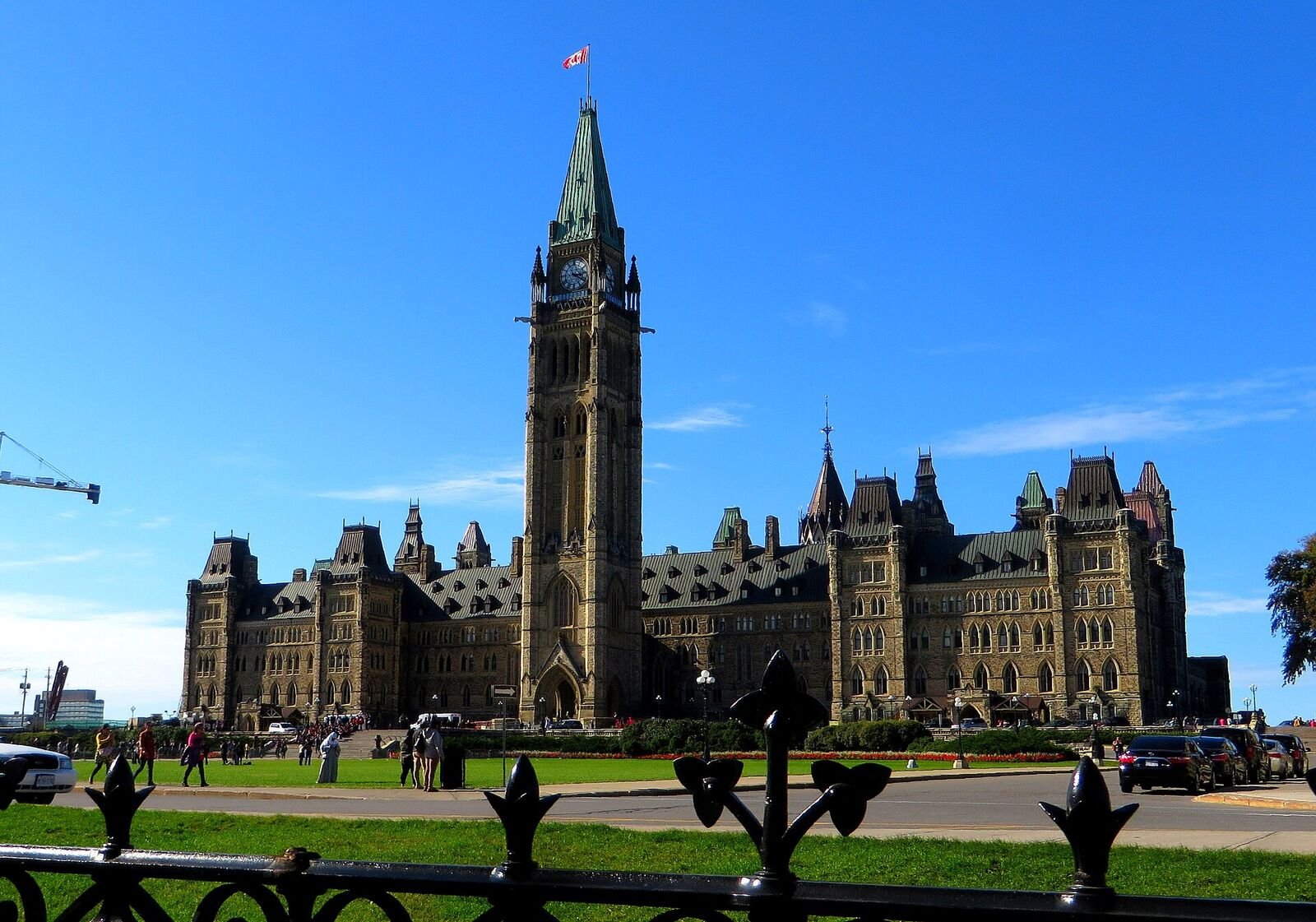
Prime Minister Mark Carney’s 29 September 2026 Vancouver release welcomes the FID as a transformative $33-billion private-sector investment, credits Major Projects Office support after a September 2025 referral, and separately welcomes TC Energy’s FID on Coastal GasLink Phase 2 (construction “next year,” “over 2,000 jobs” in PMO language). Energy Minister Tim Hodgson and Privy Council President Dominic LeBlanc are quoted in the same package. Building Canada Act / “build faster” framing is political colour around a private FID — keep the oil-pipeline Schedule 1 file (Pacific Link / PC 2026-0925) on its own legal track.
Contested: Government and proponents frame Indo-Pacific energy security, Indigenous partnership, and lower-intensity LNG versus coal abroad. Climate advocates contest fossil expansion and cumulative northern industrial load. This piece verifies the FID and capacity figures — not a lifecycle emissions audit.
Bottom line
Verified as of 1 October 2026: LNG Canada Phase 2 FID announced; capacity path 14 → 28 mtpa; PMO cites $33B private investment and companion CGL Phase 2 FID; Indigenous storage-tank equity option up to $1B. Do not conflate this gas-export FID with the West Coast oil pipeline’s separate Schedule 1 listing (Pacific Link / PC 2026-0925, 1 October 2026).