Industrial carbon stays — Alberta–Ottawa bargain softens the price path and tees up a West Coast pipeline
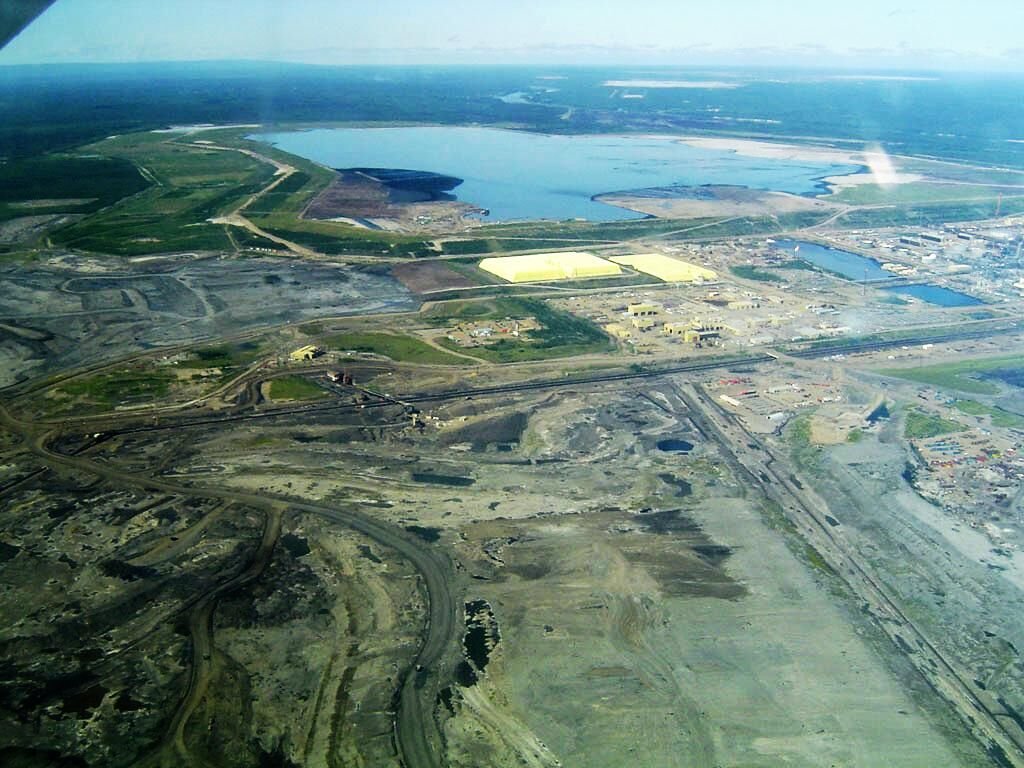
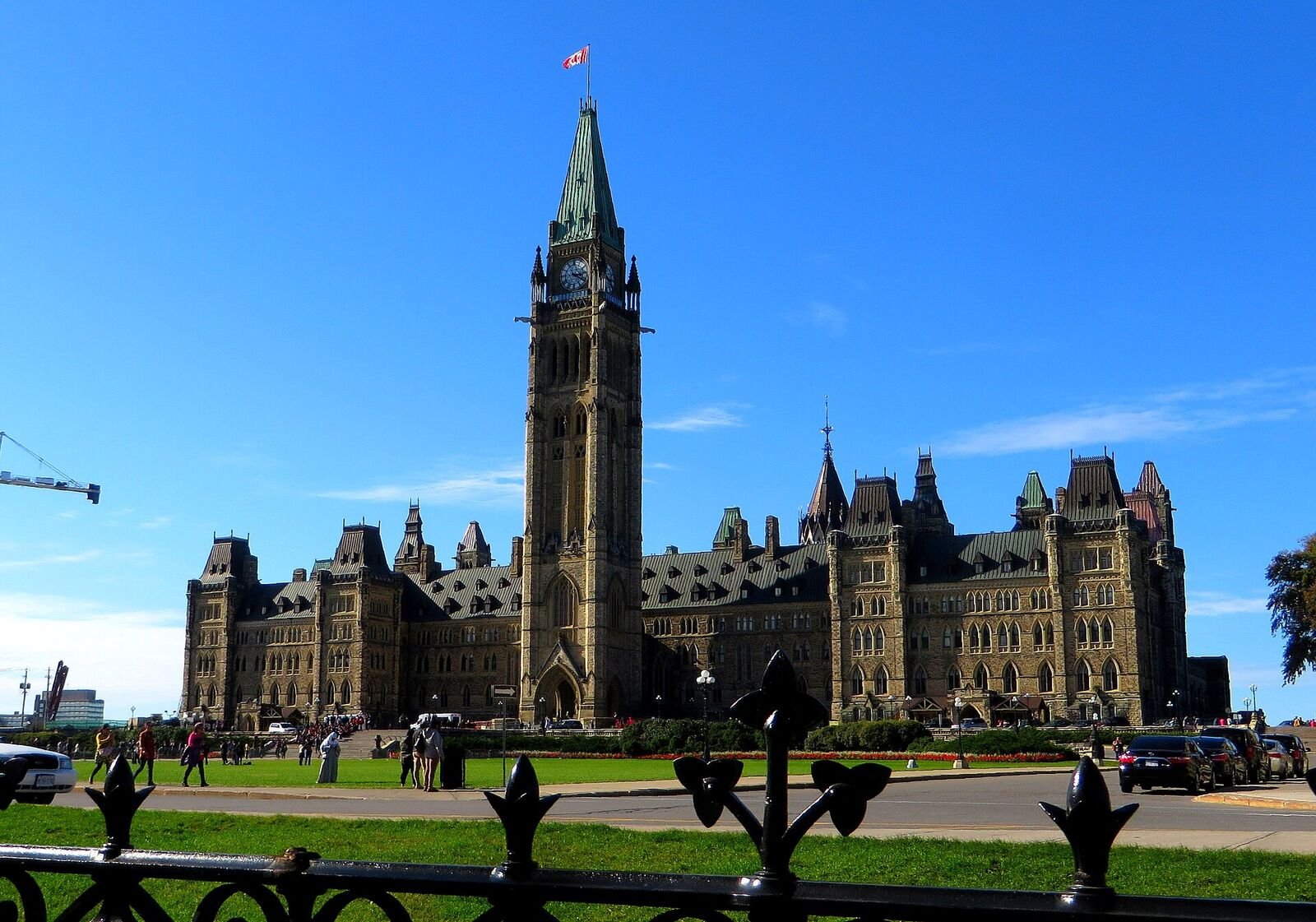
After the consumer fuel charge went to $0 on 1 April 2025, federal OBPS remains. A 15 May 2026 Canada–Alberta industrial carbon pathway softens the price schedule toward $140/t by 2040 and is tied to a pathway for roughly 1 Mb/d West Coast oil pipeline construction start as early as 1 September 2027.
Why this lean: Slight-right lean (+15): documents industry competitiveness win and climate-group weakening critique without invented emissions deltas.
Lean score (−100 far left to +100 far right; 0 = centre) reflects how this article frames the issue — language emphasis and narrative tilt — not a verdict on truth. Data-first pieces with balanced sources trend toward centre. Disclosed for transparency; not a ranking of correctness.
Lean score (−100 far left to +100 far right; 0 = centre) reflects how this article frames the issue — language emphasis and narrative tilt — not a verdict on truth. Data-first pieces with balanced sources trend toward centre. Disclosed for transparency; not a ranking of correctness.
Canada’s consumer fuel charge fell to $0 effective 1 April 2025. The federal Output-Based Pricing System (OBPS) for industrial emitters remains. On 15 May 2026, Ottawa and Alberta announced an implementation pathway for industrial carbon pricing: Alberta’s TIER headline climbs toward $140 per tonne by 2040 (versus a prior federal schedule aiming at $170 by 2030), with coverage of effective market-price talk near $130 and a phased credit floor (e.g. $60 from 2030 toward $110 by 2040 in contemporaneous coverage).
Industrial carbon was not abolished — the bargain softened the price path and attached a West Coast export corridor timeline.
Citizen impact: Pump prices no longer carry the federal consumer carbon line item; large industrial emitters still face OBPS/TIER. The May package is also tied to a pathway for roughly 1 million barrels per day West Coast oil pipeline construction start as early as 1 September 2027, plus Pathways CCS — an MOU/pathway is not final Impact Assessment approval or Indigenous consent.
What this is not
This is distinct from Quebec Alto farmland expropriation coverage and from diesel-pump snapshots on the carbon-and-fuel hub. It is pricing + export corridor politics.
Contested: Industry competitiveness win versus climate-group “weakening” critiques. Refuse invented emissions deltas. Refuse “pipeline already approved/built.”
Bottom line
Industrial carbon stays; the schedule softened; a pipeline pathway was teed up. Documents first — Reuters wire, ECCC OBPS page, and federal export-package framing.
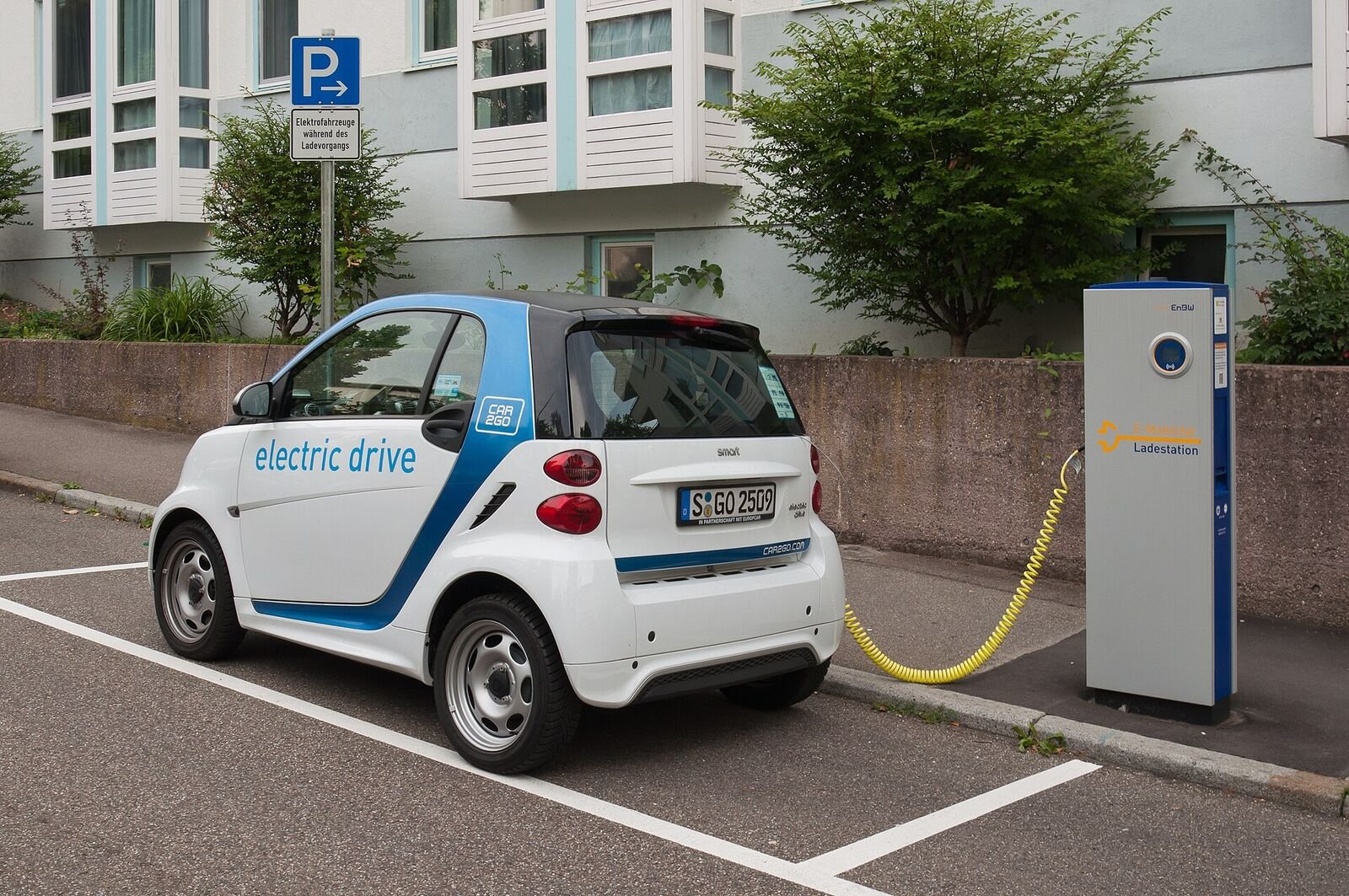
Canada Gazette Part I on 15 August 2026 proposes repealing the Electric Vehicle Availability Standard’s ZEV sales targets and credit system. Comment window runs to 29 October 2026. Fleet GHG rules would remain — this is not “EVs banned tomorrow.”
Bill C-63’s Online Harms package died with the last Parliament. Bill C-34 (Safe Social Media Act) got first reading on 10 June 2026 — a Digital Safety Act and Commission, not a re-enacted hate-tribunal clone until the text says so.
Bill C-48’s reverse onuses took effect in January 2024. Bill C-14 (Bail and Sentencing Reform Act) received Royal Assent 15 June 2026 and entered force 15 July 2026 — including a retail-focused sentencing aggravator for theft done to resell, barter, or fraudulently return goods.
Education Amendment Act 2024 (Bill 27) took effect 1 Sep 2025: notify parents of gender-related name/pronoun requests; consent under 16; parental opt-in (not opt-out) for explicit gender/sexuality subject matter. Egale/Skipping Stone challenge followed within days. Do not conflate with Bill 26’s gender-care injunction.