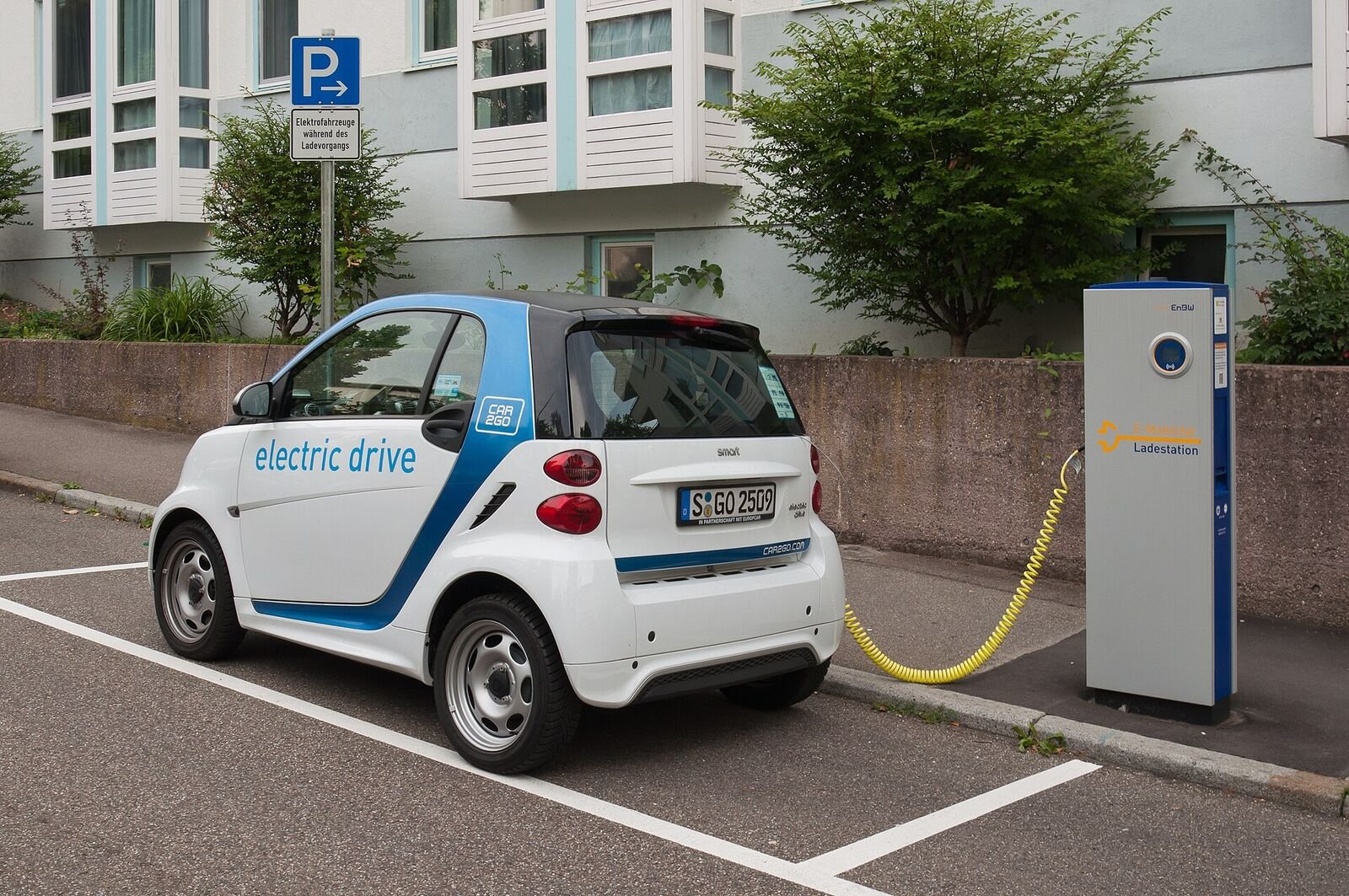
Ottawa proposes killing the ZEV sales mandate — while keeping fleet GHG rules
Canada Gazette Part I on 15 August 2026 proposes repealing the Electric Vehicle Availability Standard’s ZEV sales targets and credit system. Comment window runs to 29 October 2026. Fleet GHG rules would remain — this is not “EVs banned tomorrow.”
Why this lean: Lean right (+20): mandate rollback framed as market/trade realism; remaining GHG fleet rules kept in frame.
Lean score (−100 far left to +100 far right; 0 = centre) reflects how this article frames the issue — language emphasis and narrative tilt — not a verdict on truth. Data-first pieces with balanced sources trend toward centre. Disclosed for transparency; not a ranking of correctness.
Lean score (−100 far left to +100 far right; 0 = centre) reflects how this article frames the issue — language emphasis and narrative tilt — not a verdict on truth. Data-first pieces with balanced sources trend toward centre. Disclosed for transparency; not a ranking of correctness.
Canada’s Electric Vehicle Availability Standard (ZEV sales targets climbing from 20% of light-duty sales in model year 2026 toward 100% by model year 2035) is still on the books — but on 15 August 2026, Canada Gazette Part I published a proposal to repeal those ZEV sales targets and the credit system. The comment window runs to 29 October 2026.
Proposed repeal is not final law — dealers and buyers face regulatory whiplash, not an overnight EV ban.
Citizen impact: Sales share fell from roughly 14% (2024) to roughly 9% (2025) after the federal iZEV incentive ended and U.S. policy/tariffs shifted — figures cited in consultation framing and secondary legal explainers summarizing the Gazette package. Provincial ZEV regimes (notably B.C. and Quebec) may still bind dealers even if the federal sales mandate is repealed. Remaining fleet GHG performance rules are a separate track.
What stays vs what goes
The proposal targets EVAS sales mandates and credits. Technology-neutral replacement / fleet GHG pathways are the government’s stated direction — read the Gazette text, not slogans.
Contested: Mandate defenders: climate targets and supply certainty. Rollback advocates: market realism after incentive expiry and trade shocks. Both should attach numbers to the Gazette docket.
Bottom line
Refuse “Carney banned gas cars forever,” “ZEV repeal already law,” and “Canada ends all EV policy.” It is a live consultation to kill the sales mandate while keeping other GHG tools.
After the consumer fuel charge went to $0 on 1 April 2025, federal OBPS remains. A 15 May 2026 Canada–Alberta industrial carbon pathway softens the price schedule toward $140/t by 2040 and is tied to a pathway for roughly 1 Mb/d West Coast oil pipeline construction start as early as 1 September 2027.
Bill C-63’s Online Harms package died with the last Parliament. Bill C-34 (Safe Social Media Act) got first reading on 10 June 2026 — a Digital Safety Act and Commission, not a re-enacted hate-tribunal clone until the text says so.
Bill C-48’s reverse onuses took effect in January 2024. Bill C-14 (Bail and Sentencing Reform Act) received Royal Assent 15 June 2026 and entered force 15 July 2026 — including a retail-focused sentencing aggravator for theft done to resell, barter, or fraudulently return goods.
Education Amendment Act 2024 (Bill 27) took effect 1 Sep 2025: notify parents of gender-related name/pronoun requests; consent under 16; parental opt-in (not opt-out) for explicit gender/sexuality subject matter. Egale/Skipping Stone challenge followed within days. Do not conflate with Bill 26’s gender-care injunction.