On Friday 6 November 2026 the U.S. Department of Labor published a final rule, Prohibiting Illegal Discrimination in Registered Apprenticeship Programs (FR Doc. 2026-22680, 91 FR 70164–70247). It revises 29 CFR part 30 and makes conforming edits to part 29. Effective date: 5 January 2027.
What the rule removes
The Executive Summary says the rule removes “burdensome” part 30 administrative requirements that included a general duty for all sponsors to engage in affirmative action and meet equal employment opportunity (EEO) obligations — such as designating an EEO manager, conducting anti-harassment training, and posting an equal-opportunity pledge. It also removes the mandate that sponsors with five or more apprentices run utilization analyses and set numerical hiring goals by race, sex and ethnicity.
DOL’s own SUMMARY calls those affirmative-action requirements “onerous and legally questionable.” The department says dropping them should cut sponsor paperwork and support apprenticeship growth.
What replaces it
Part 30’s apprenticeship-specific nondiscrimination stack is replaced with a requirement that all Registered Apprenticeship program sponsors comply with all applicable federal and state laws and regulations prohibiting illegal discrimination, plus a revised complaint framework. State Apprenticeship Agencies seeking or keeping Office of Apprenticeship recognition must align state rules with the revised part 30 so the national system has consistent nondiscrimination requirements.
Citizen impact
Apprentices and applicants keep whatever rights other statutes already give them (for example Title VII / EEOC processes, ADA, ADEA, and state fair-employment laws) — this rule does not repeal those statutes. Sponsors lose the separate part 30 affirmative-action and utilization-goal paperwork. Readers should not treat the title “Prohibiting Illegal Discrimination” as proof that every prior EEO practice remains mandatory under part 30; the text expressly rescinds those part 30 affirmative-action structures. Training quality, wages and safety standards under part 29 are a separate question not decided by this nondiscrimination rewrite alone.
Primary record: FR Doc. 2026-22680 (91 FR 70164).
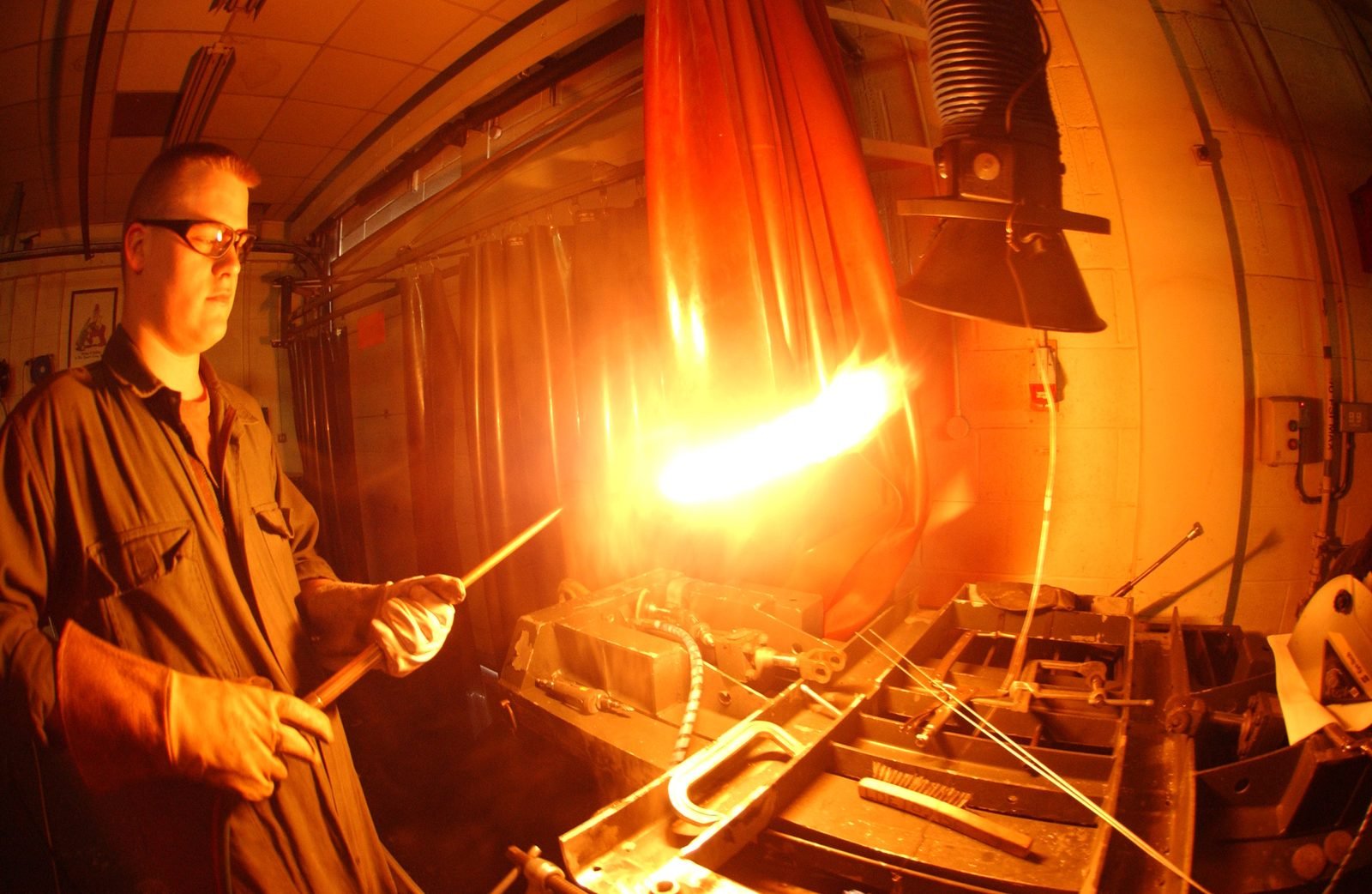
U.S. Air Force welder at work (illustrative of skilled trades training; not a Department of Labor apprenticeship ceremony). Photo: Airman 1st Class Kristi Emler / U.S. Air Force, public domain; resized/recompressed.