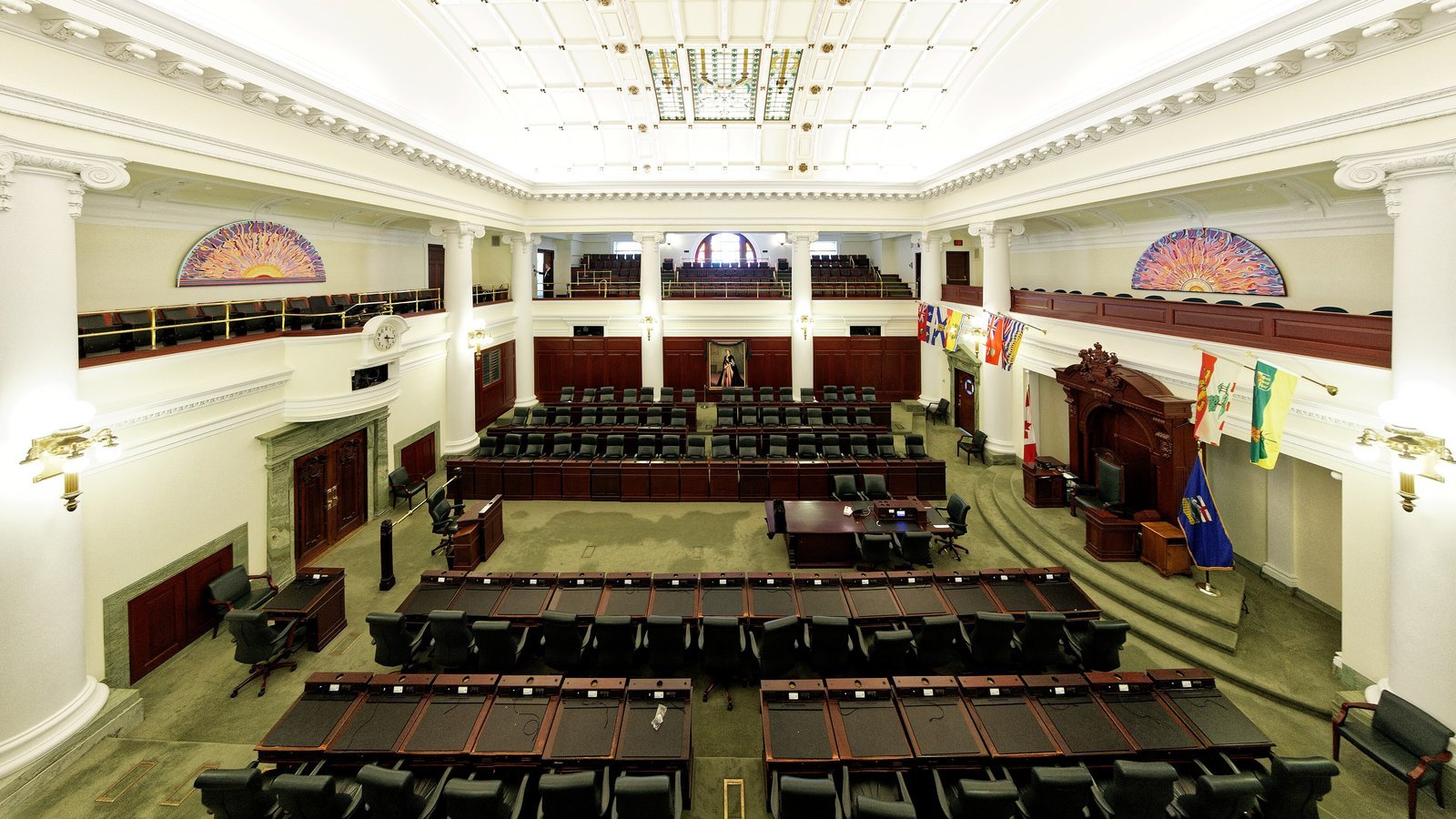
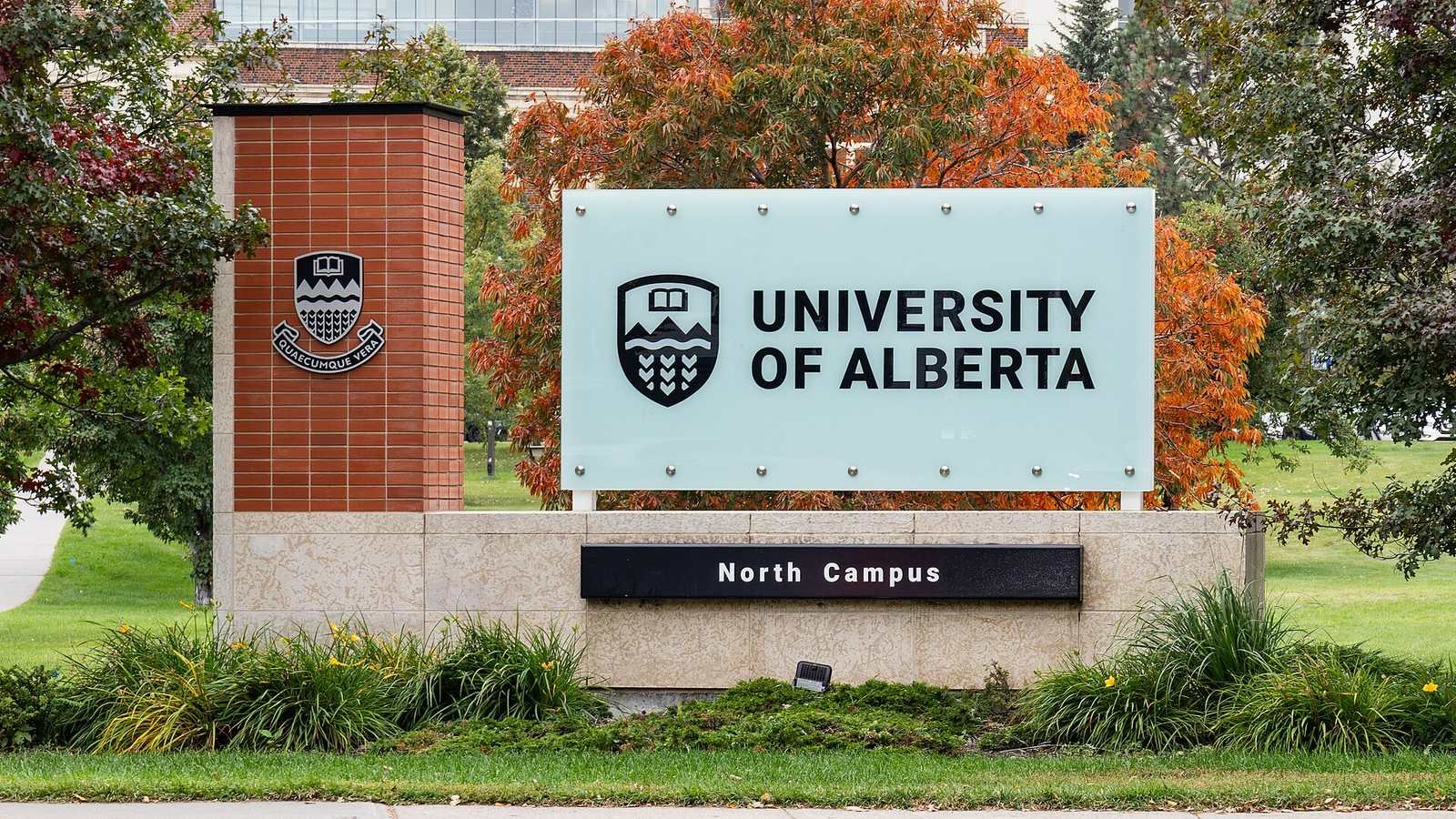
On Monday 3 November 2026 Alberta published a news release, “Common sense on campus,” saying it is introducing Bill 38, the Advanced Education Statutes Amendment Act, 2026. The bill would amend the Post-secondary Learning Act and the Professional Governance Act. It is introduced legislation — not law until the Assembly passes it and it is proclaimed.
“Students should be free to ask hard questions, debate ideas openly and know they’ll be treated fairly. Families should know what tuition will look like so they can plan ahead. This bill would deliver both and would make licensing simpler for the engineering and geoscience professionals who help build Alberta.” — Myles McDougall, Minister of Advanced Education
Maximum tuition amounts
- Alberta would move from a tuition growth cap to maximum tuition amounts for programs or groups of programs, set by the Minister of Advanced Education through ministerial order.
- Institutions would still set tuition within those maxima.
- During the transition, tuition for existing domestic students would not rise by more than two per cent in 2027–28.
Institutional neutrality and freedom of expression
Bill 38 would set minimum requirements for institutional neutrality and freedom of expression policies at public post-secondary and independent academic institutions under the Post-secondary Learning Act. Neutrality would apply to an institution’s official statements as an organization on social and political issues outside its educational, research and institutional mandates. The release says it would not limit academic freedom or what students, faculty or staff can lawfully say. Institutions would continue to manage their own speakers, invitations and events within the new minimum policy requirements.
Public post-secondary and independent academic institutions have been expected to have freedom-of-expression policies since 2019, with annual reporting since fall 2024.
“By remaining impartial on social and political questions outside of matters affecting our educational, research and institutional mandates, our institutions help preserve the broadest possible space for members of the academic community to express their views, challenge ideas and engage in open inquiry.” — John Alho, executive director, Alberta Post-Secondary Network (APSN)
Student codes of conduct
A 2025 government review of almost 200 policies found inconsistencies in how student codes are written and applied. Amendments would let government set minimum requirements by regulation; institutions would still write their own codes and handle individual cases. Code-of-conduct minima would apply to public institutions, with requirements for independent academic institutions set through policy.
APEGA / ASET licensing
At the request of both associations, professional technologists and professional licensees (specialized engineering and geoscience work) would be regulated by APEGA, simplifying dual regulation with ASET. Minor technical amendments would accompany the Professional Governance Act changes.
Other private and First Nations post-secondary institutions would not be affected by these proposed changes, per the release.
What this piece refuses
We describe the government’s announcement, not a clause-by-clause reading of the bill PDF. We do not treat Bill 38 as enacted. We do not invent which programs get which tuition maxima — those would come by ministerial order after any passage.
Bottom line
Alberta’s Bill 38, tabled via a 3 November release, would set maximum tuition amounts (≤2% rise for existing domestic students in 2027–28), require institutional-neutrality and free-expression policy minima on public and independent academic campuses, allow conduct-code minima by regulation, and fold ASET technologist licensing into APEGA — if the Assembly passes it.