Skip to content
The Daily TeabagThe Daily Teabag

Topic

#fiscal-anchor

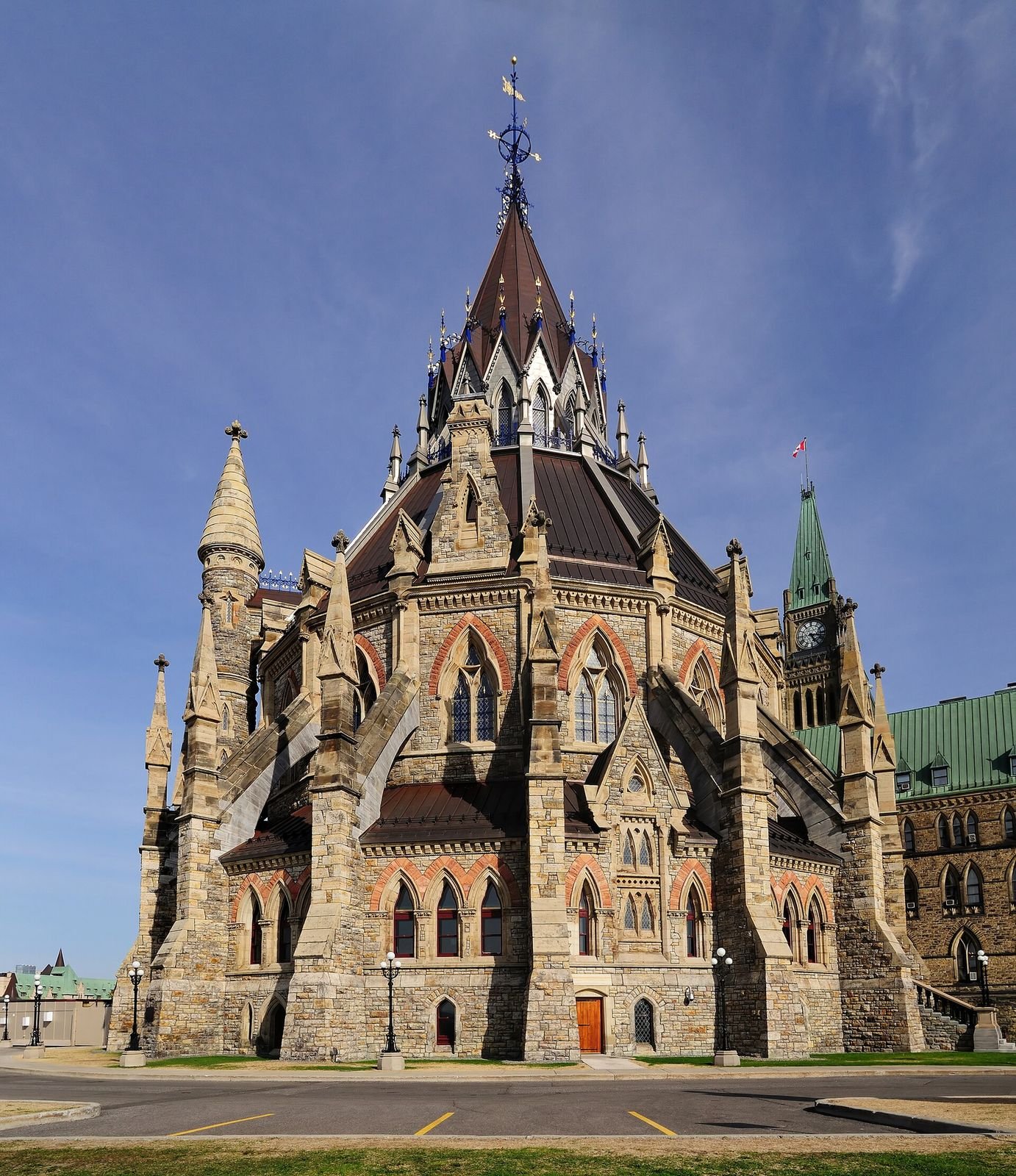
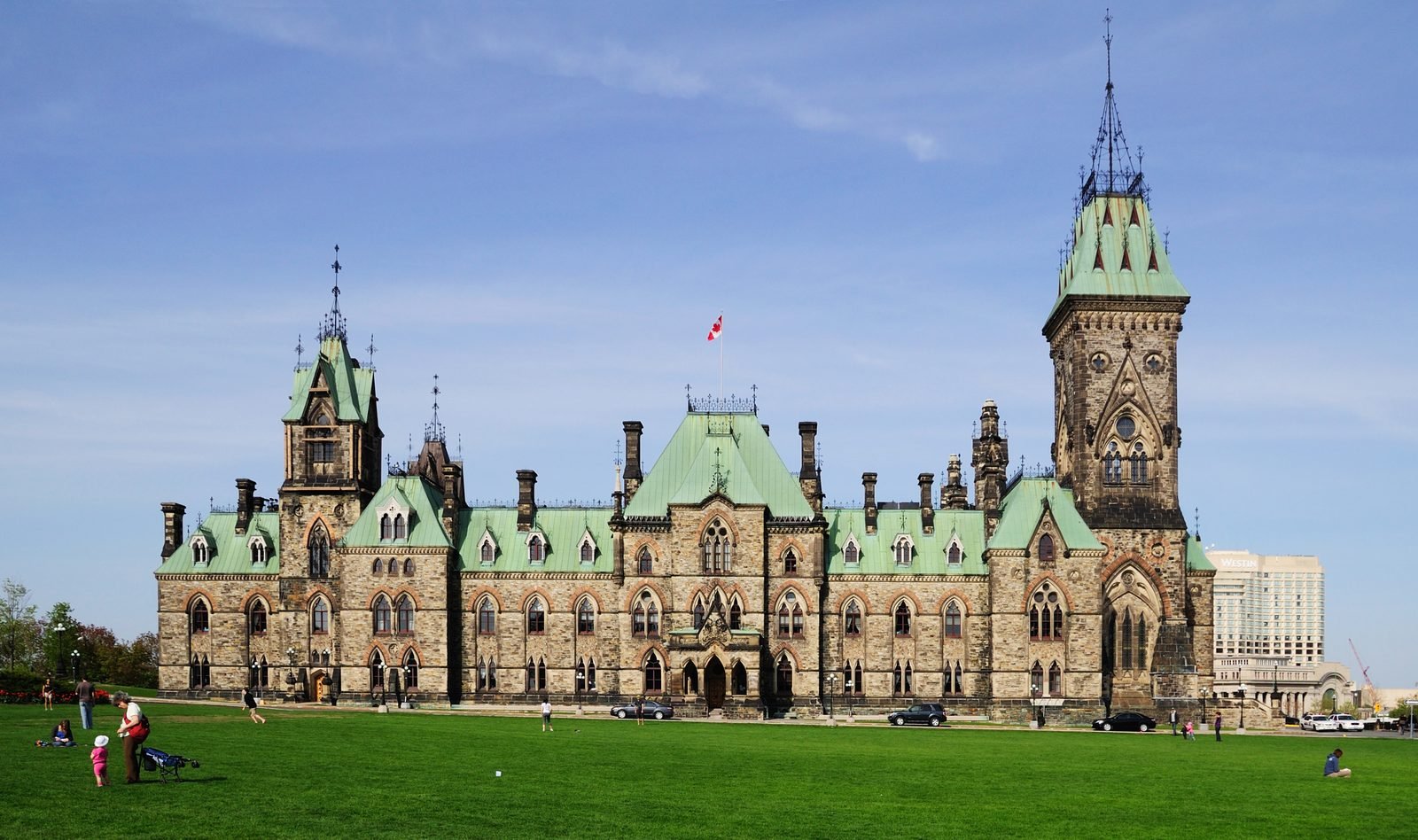
Library of Parliament, Ottawa — Photo: Wladyslaw, CC BY-SA 3.0

Debt & Fiscal|Canada

PBO: federal deficits stay above $63 billion a year to 2030-31 as Champagne sets Budget 2026 for 5 November

The Parliamentary Budget Officer’s October outlook (20 October) projects a $63.3 billion deficit this year, peaking at $70.2 billion in 2027-28 and still $67.8 billion in 2030-31. New measures since June, led by the $36 billion Productivity Mega Deduction, cost $52.6 billion over five years and outweigh the extra revenue from higher prices. Debt charges climb from $59.3 billion to $83.0 billion. The same day, Finance Minister François-Philippe Champagne said he will table Budget 2026 on 5 November.

Daily Teabag Desk·Centre
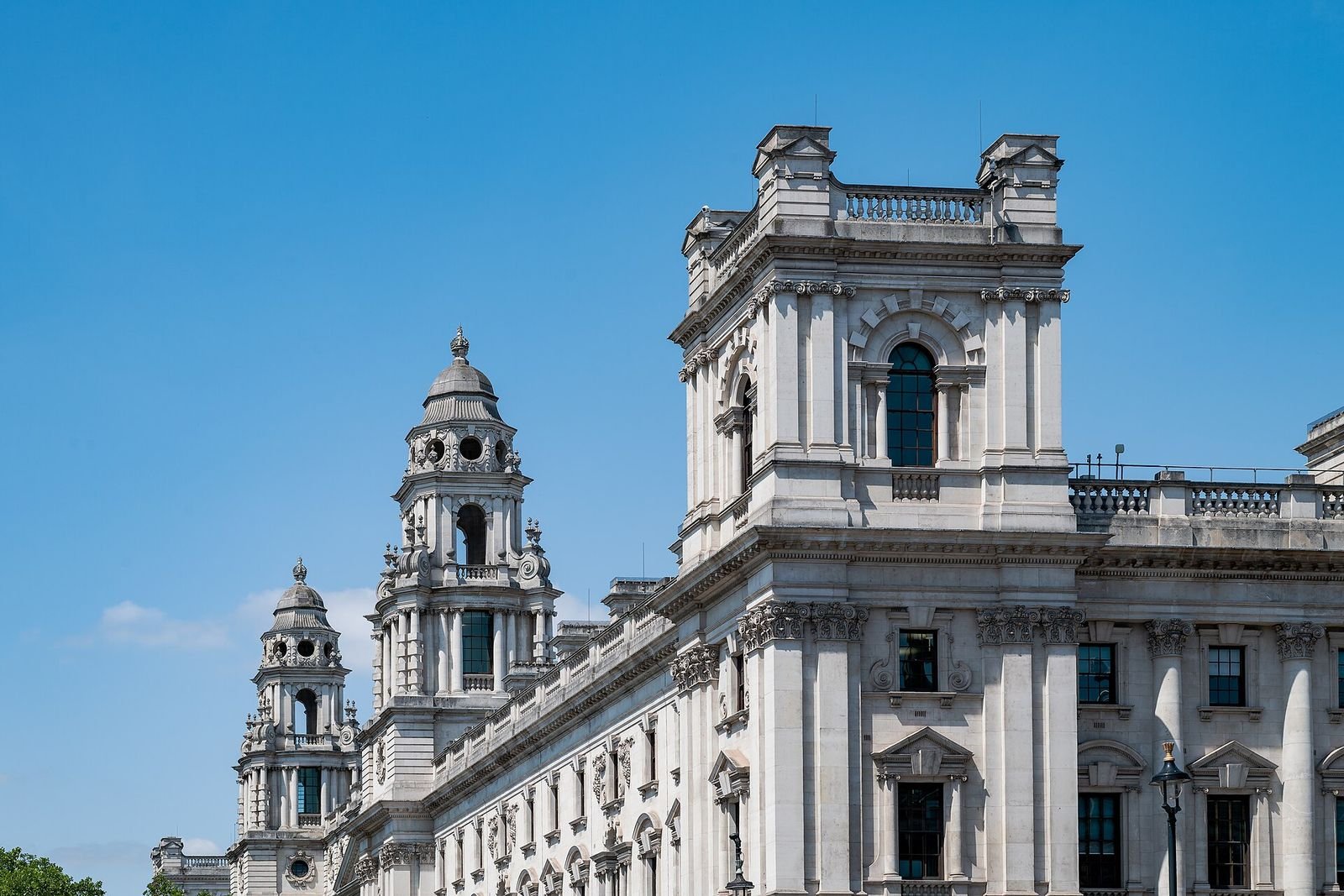
HM Treasury, Government Offices Great George Street, Whitehall, London — Photo: Tilman2007, CC BY-SA 4.0

Debt & Fiscal|World

UK national debt passes £3 trillion for the first time as September borrowing reaches £24.5 billion

The Office for National Statistics (21 October) puts public sector net debt at £3,005.0 billion at the end of September, the first time above £3 trillion, or 94.0% of GDP. As a share of the economy, debt is 0.7 points lower than a year ago. September borrowing was £24.5 billion, £1.9 billion above the OBR forecast, with £10.9 billion in central government debt interest, the highest September since records began in 1997. The Budget is on 28 October.

Daily Teabag Desk·Centre
An Esso gas station in Windsor, Ontario — Photo: Chris Woodrich, CC BY-SA 4.0

Cost of Living|Canada

PBO: the federal fuel-tax pause costs $4.9 billion this year and saves the average family $276, with top earners getting 3.5 times what the lowest get

A Parliamentary Budget Officer cost estimate for Bill C-38, published 8 October 2026, puts the cost of suspending federal fuel excise taxes from 20 April 2026 to 31 January 2027, then halving them to 31 March, at $4.943 billion in 2026-27. Average savings are $276 per family, from $132 in the lowest income quintile to $468 in the highest. The House has agreed to sit until midnight on 19 October to deal with C-38.

Daily Teabag Desk·Centre
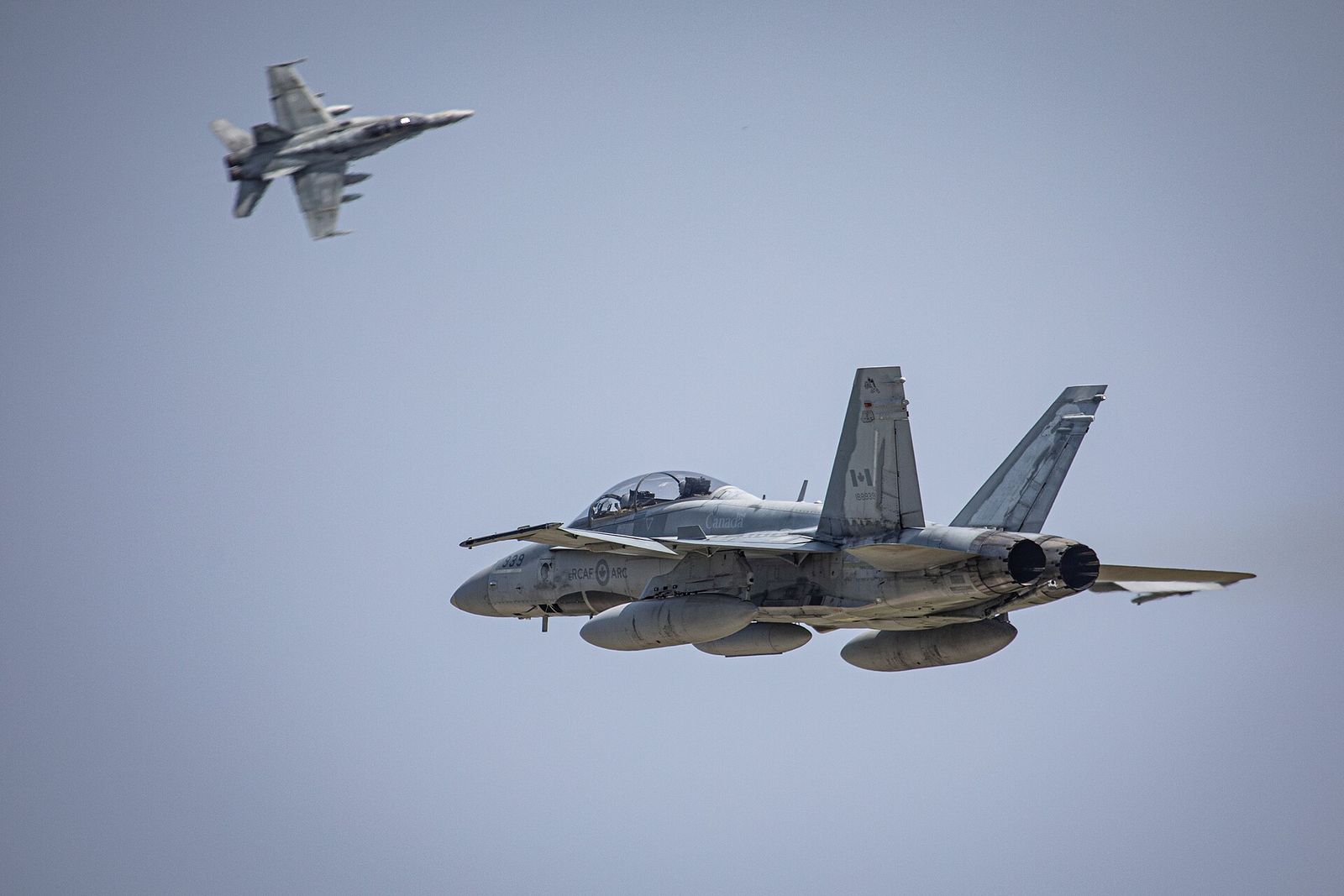
RCAF CF-18 Hornet demonstration jet — Photo: Matt Hecht, public domain

Debt & Fiscal|Canada

PBO: hitting NATO’s 3.5% core defence target means $163.6 billion a year by 2035-36, and a deficit $63.7 billion bigger that year

A Parliamentary Budget Officer primer published 6 October 2026 works through what Canada’s NATO pledge costs. On a gradual path, core defence spending rises from $95.7 billion in 2030-31 to $163.6 billion in 2035-36. That is $70.1 billion more than staying at 2% of GDP. On an accrual basis it would add $63.7 billion to the deficit in 2035-36 and 5.7 points of GDP to federal debt. The PBO says the paths are illustrative, not projections, and that the extra cost is not yet in budget forecasts.

Daily Teabag Desk·Centre
L’Esplanade Laurier, federal office towers in Ottawa — Photo: Jeangagnon, CC BY-SA 4.0

Data Desk|Canada

PBO: Carney’s operating-budget anchor misses 2028–29 — capital labels look inconsistent

The Parliamentary Budget Officer’s 24 September 2026 note on the Operating Budget Fiscal Anchor projects balance in 2029–30, one year after Budget 2025’s 2028–29 target and two years after the prime minister’s 15 September claim of a 2027–28 path. Granular Finance attributions of “operating” vs “capital” look contradictory in places.

Daily Teabag Desk·Slight right
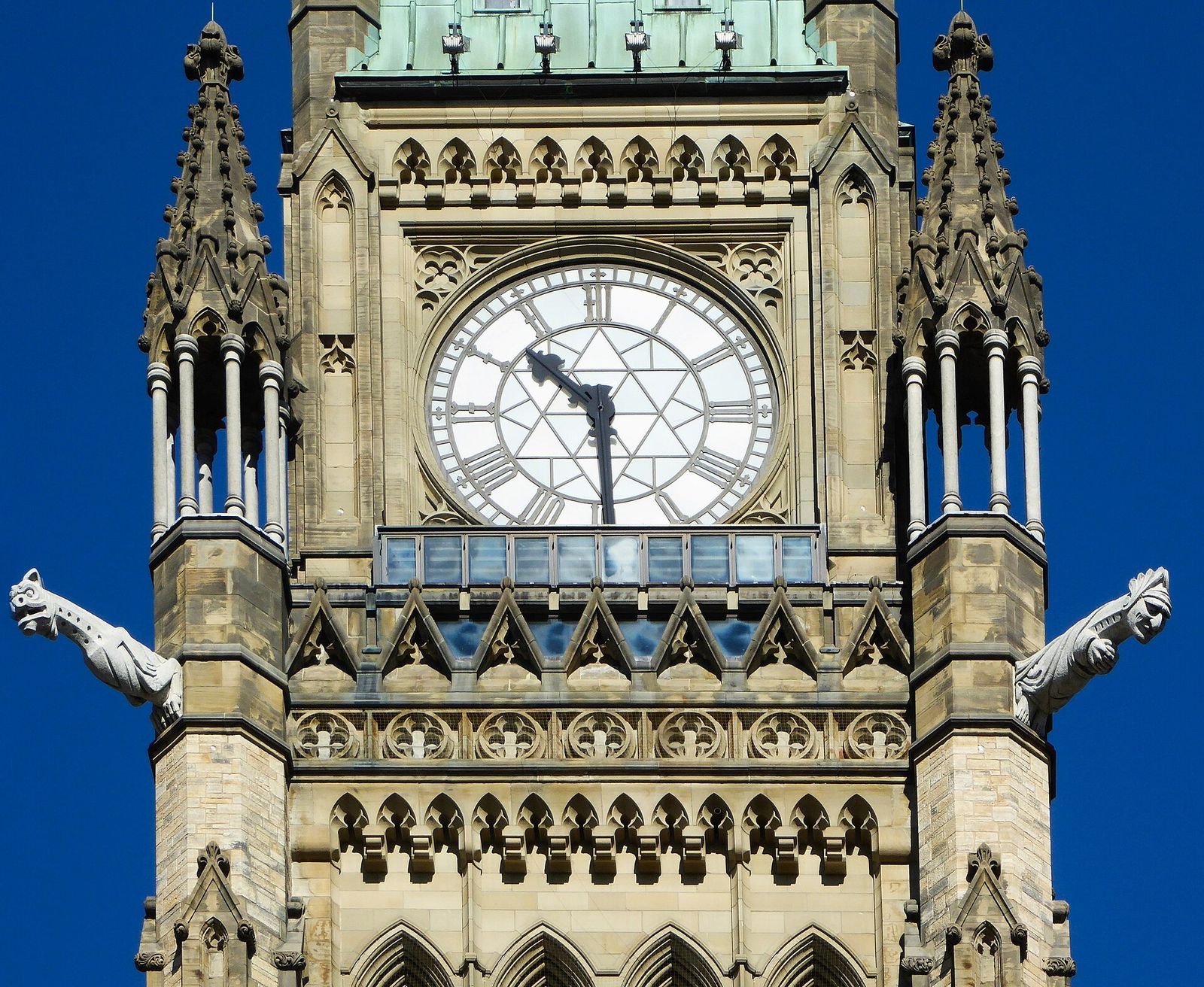
Peace Tower clock, Parliament Hill, Ottawa — Photo: Pierre André, CC BY-SA 4.0

Data Desk|Canada

PBO June 2026: ~$72B deficit, debt-service climbing, fiscal-anchor odds near zero

The Parliamentary Budget Officer’s 4 June 2026 Economic and Fiscal Outlook projects the deficit rising from $36.3 billion (2024–25) to $72.0 billion (2025–26), with debt-service reaching 13.1% of revenues and under a 1% chance the deficit/GDP ratio declines every year through 2030–31.

Daily Teabag Desk·Slight right