Skip to content
The Daily TeabagThe Daily Teabag

Topic hub

Farmers & regulators

Nitrogen rules, checkoff ESG fights, rail corridors across farmland, diesel costs at harvest — producers versus policy design.

Also browse related tags: #agriculture, #farmers, #nitrogen, #ESG, #dairy, #Alto

Featured on this hub

John Deere tractor with trailer in the Netherlands, illustrating farm diesel use, not a U.S. farm — Photo: joost j. bakker, CC BY 2.0

Cost of Living|United States

IRS waives dyed-diesel highway penalties through year-end; 7508A tax deferral guidance still to come

IR-2026-122 (14 October 2026) says the IRS will not impose section 6715 penalties when dyed diesel is sold for or used on U.S. highways. Relief is retroactive to 1 October and runs to 31 December 2026; federal fuel-tank inspections for on-road dyed fuel are suspended for that window. The agency still says it will issue further guidance on postponing the backup diesel taxes under 26 U.S.C. 7508A — that piece is not in this release. State fuel taxes are unaffected.

Daily Teabag Desk·Centre
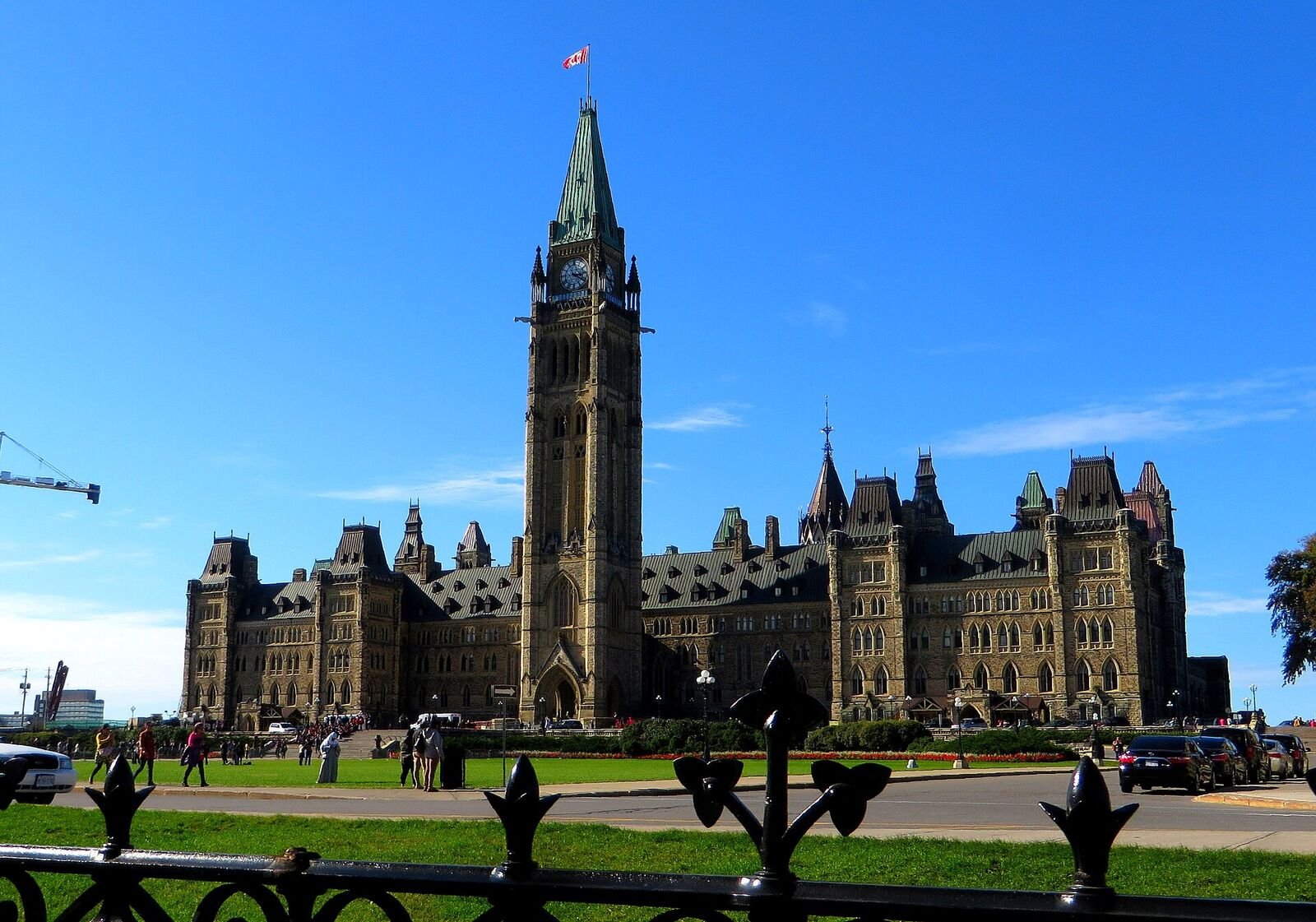
Centre Block, Parliament Hill, Ottawa — the PBO reports to Parliament; not an Alto site — Photo: Ken Lund, CC BY-SA 2.0

Debt & Fiscal|Canada

PBO prices Alto high-speed rail at $75–113 billion, above Ottawa’s $60–90 billion range

The Parliamentary Budget Officer’s 1 October 2026 report, requested by the Senate finance committee, estimates the baseline Toronto–Québec City route (without the Kingston option) would cost $75 billion to $113 billion to build, in 2024 dollars. The government’s own range is $60–90 billion. Tunnels, the Canadian Shield, and later start dates drive the number. Ridership and operating costs come in a second report.

Daily Teabag Desk·Centre
John Deere tractor with trailer in the Netherlands — Photo: joost j. bakker, CC BY 2.0

Accountability|European Union

Denmark’s Folketing passes L5 fertiliser law — nitrogen rules reset for 2027

On 3 September 2026 Denmark’s Folketing adopted Lovforslag L5, the new gødskningslov on sustainable management of nutrients and greenhouse gases in farming and forestry. It takes effect 1 January 2027 after tractor protests against tougher nitrogen controls.

Daily Teabag Desk·Slight right
John Deere tractor with trailer in the Netherlands — Photo: joost j. bakker, CC BY 2.0

Policy Watch|European Union

Prinsjesdag pushback: Dutch farmers reignite the nitrogen war

Roadside fires and blockades hit Budget Day as livestock producers reject a €20-billion package they say will shrink herds — while police separately hunt who sabotaged 20+ rail sites.

Elena Vogt·Lean right
Dunnum Family dairy farm near Westby, Vernon County, Wisconsin — Photo: Carol M. Highsmith, public domain

Accountability|United States

USDA pulls ESG from dairy checkoff after Wisconsin farmers sue

Three Wisconsin producers backed by WILL challenged mandatory checkoff spending on emissions and sustainability. USDA directed boards to stop; the lawsuit is paused while the order is implemented.

James Ortega·Lean right

More coverage

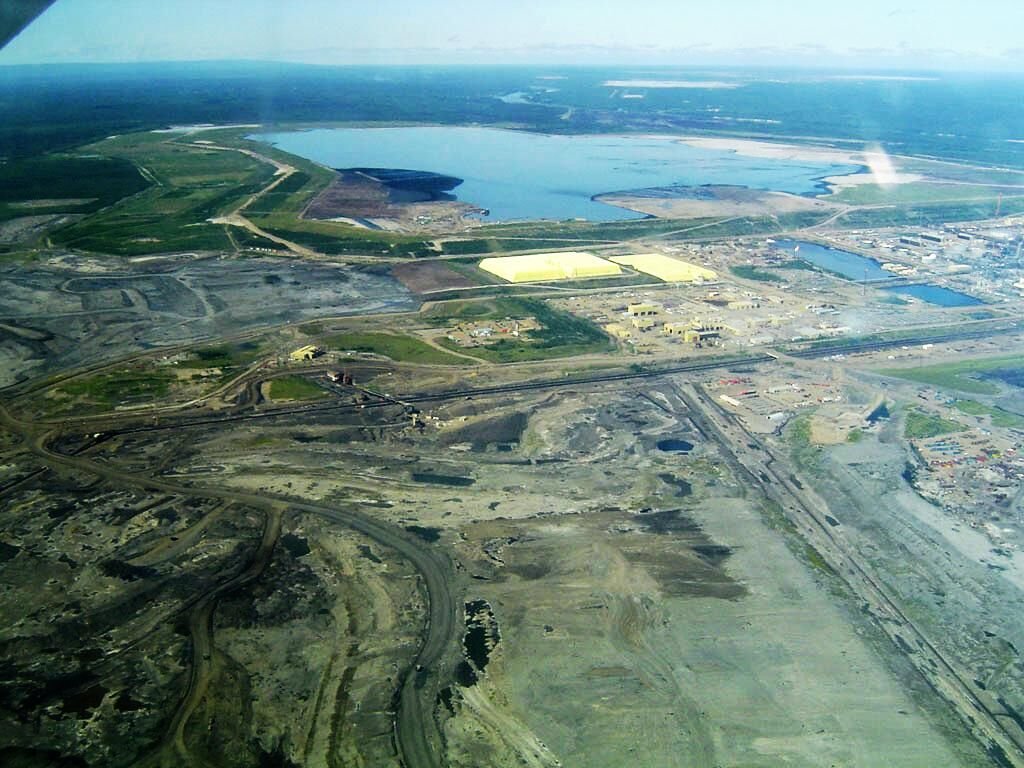
Syncrude Mildred Lake plant, Alberta — illustrative refinery-type image; not a U.S. small refinery — Photo: TastyCakes / Jamitzky, public domain

Policy Watch|United States

EPA proposes shifting 770 million extra refinery-exemption RINs onto 2026–27 fuel standards

After granting more 2025 small refinery exemptions than it had projected, EPA is co-proposing two ways to put the extra 770 million RINs back into the 2026 and 2027 Renewable Fuel Standard obligations. EPA estimates the change adds less than one cent a gallon to gasoline and diesel. Comments are due 4 December 2026; a virtual hearing is set for 4 November.

Daily Teabag Desk·Centre
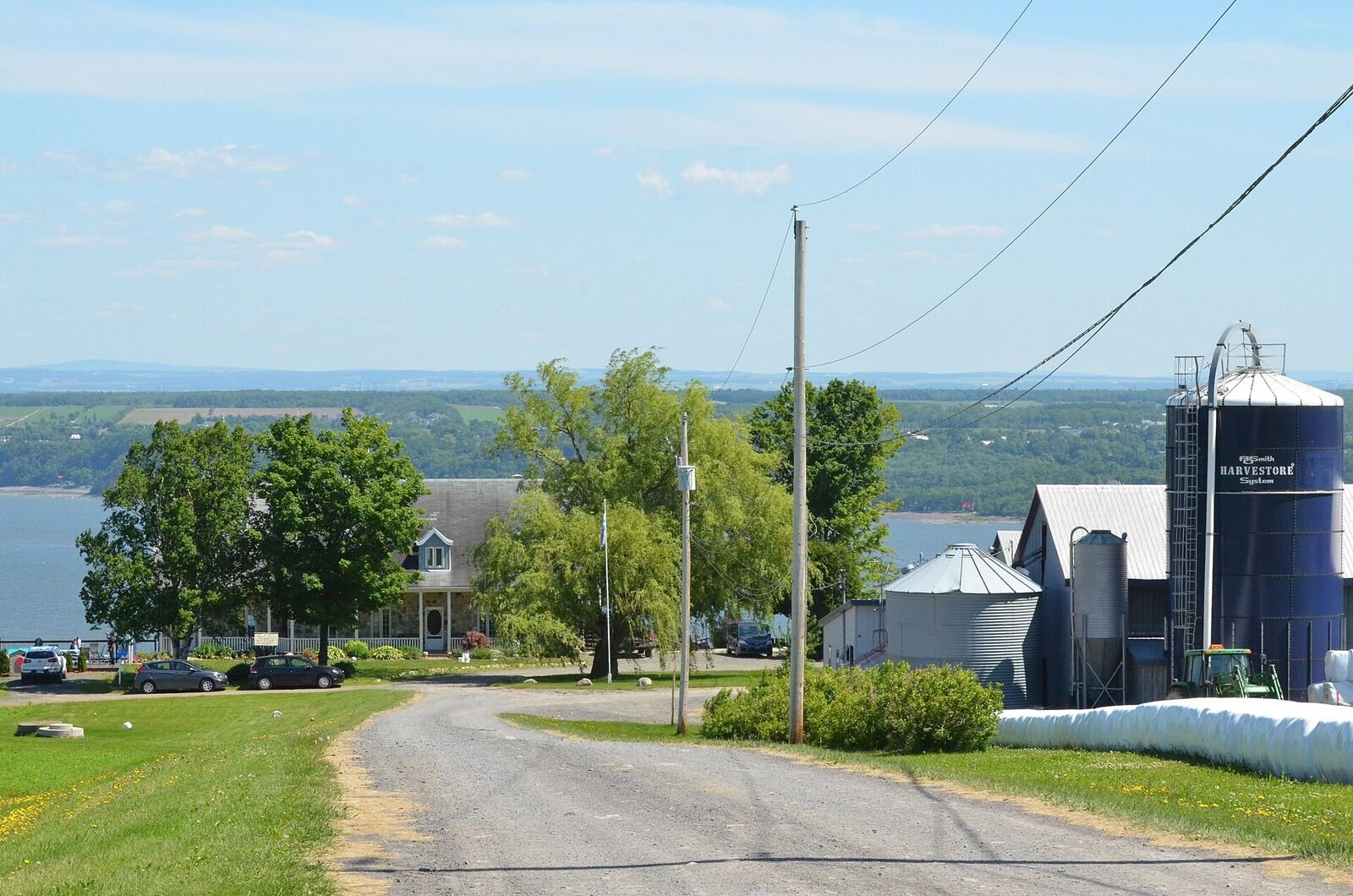
Farm and silos on Île d’Orléans, Quebec — illustrative; not a site named in the bill — Photo: Guillaume666 / Antoine Letarte, CC BY-SA 3.0

Policy Watch|Canada

Budget bill would end Canada’s automatic 15-year safety re-evaluation of pesticides

Division 13 of Bill C-31, the Budget 2025 Implementation Act, No. 2, would replace the Pest Control Products Act’s mandatory re-evaluation of every registered pesticide after 15 years with an “assessment” on available information. A full re-evaluation would follow only if the Health Minister has reasonable grounds to believe risks have “increased significantly.” The finance committee heard objections last week; amendments are due 22 October.

Daily Teabag Desk·Centre
Berlaymont building, European Commission, Brussels — Photo: EmDee, CC BY-SA 4.0

Cost of Living|European Union

Brussels clears €40.5 million in cheap French loans for farmers, fishers and hauliers hit by fuel prices

On 9 October 2026 the European Commission approved two French state-aid schemes under its Middle East crisis framework: €17.2 million for agriculture, fisheries and aquaculture and €23.3 million for transport. Firms whose fuel bill is at least 5% of turnover can borrow €5,000 to €50,000 at a fixed 3.8%, state-guaranteed, for up to three years with a year’s grace on principal. It is French money, not an EU grant.

Daily Teabag Desk·Centre
Chugach National Forest entrance sign, Kenai Peninsula, Alaska — illustrative; no specific project — Photo: USDA Forest Service Alaska Region, public domain

Policy Watch|United States

U.S. Forest Service gives the public as little as 10 days to object to national-forest projects, down from 45

A USDA final rule, scheduled for Federal Register publication on 13 October 2026 and effective 30 days later, rewrites how people challenge logging, grazing, road and other projects on national forests and grasslands before they are approved. Comment periods drop to 15 days for environmental assessments and 30 for environmental impact statements, from 30 and 45. The window to file an objection falls to 10 or 20 days, from 45 for most projects. The independent reviewing officer is dropped, and notices move from newspapers to USDA websites. Because objecting is a precondition for suing, the shorter windows also bear on who can go to court.

Daily Teabag Desk·Centre
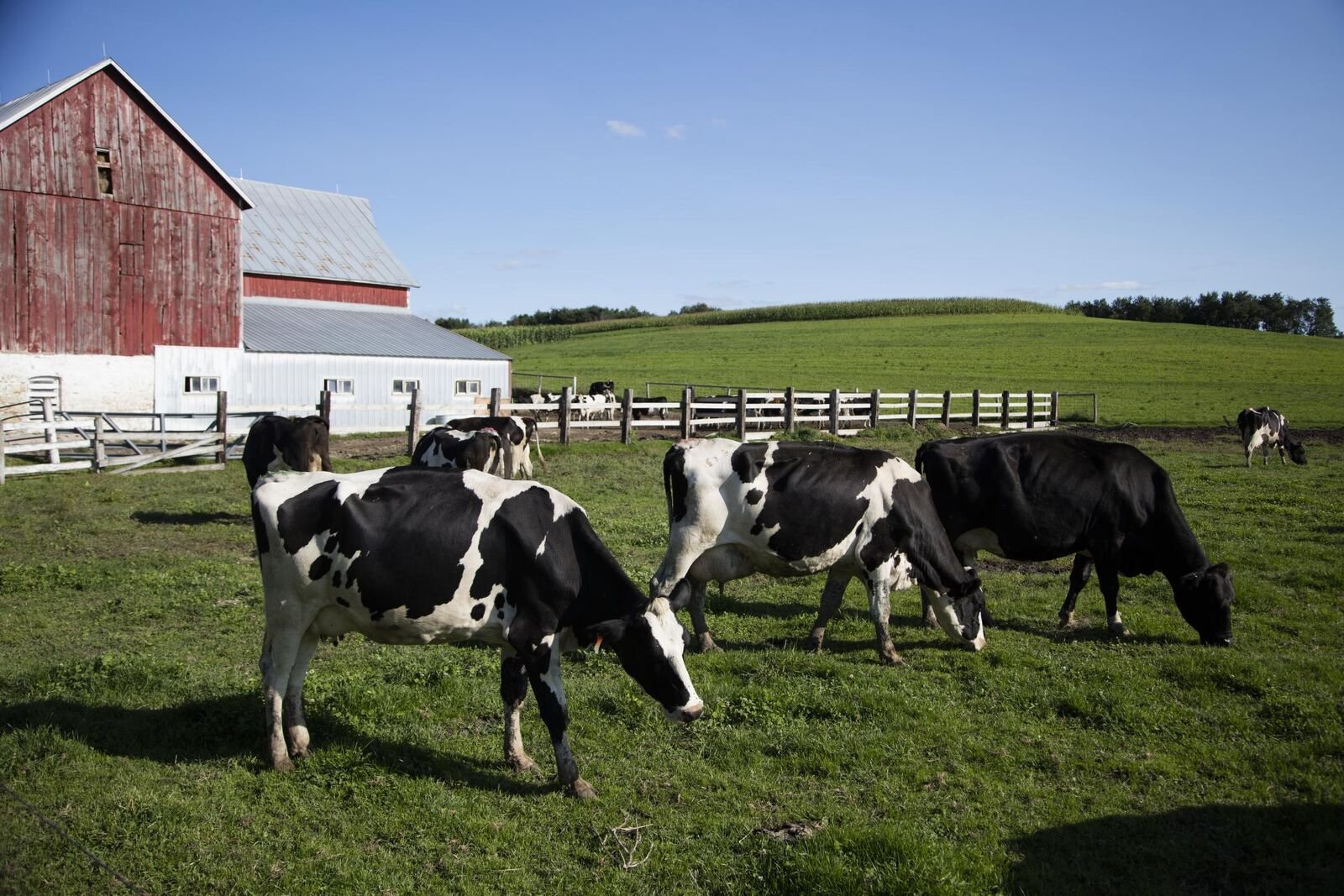
Dairy farm landscape near Westby, Wisconsin — Photo: Royalbroil, CC BY-SA 3.0

Accountability|Canada, United States

U.S. bars certain Canadian alcohol, dairy and motorcycles — Section 338 exclusions hit

Presidential Proclamations 11061, 11062 and 11063 exclude specified Canadian alcoholic beverages, dairy products and motor-vehicle products from importation into the United States effective 29 September 2026 at 12:01 a.m. ET — escalating from the prior 50% Section 338 duties. CBP is rejecting covered entries in ACE. Distinct from steel tariffs that Stelco cited when idling Hamilton cold-rolled lines.

Daily Teabag Desk·Slight right
Centre Block, Parliament Hill, Ottawa — Photo: Ken Lund, CC BY-SA 2.0

Accountability|Canada

Bill C-39 passes second reading 296–26 and goes to a legislative committee; the Building Canada Strong Act is still not law

Bill C-39, the Building Canada Strong Act, is still at second reading. On 5 October 2026, the House’s first day back, the Projected Order of Business puts it first under Government Orders: resuming debate on the previous question moved by Ryan Turnbull on 25 September, with a legislative-committee referral pending. Labour Code s.107 guardrails and Indigenous consultation clocks are the live citizen fights. Update, 8 October: at midnight on 7 October the House carried the previous question on division; the second-reading recorded division is deferred to 8 October after Question Period, and its 11-member legislative committee has been named. Update, 9 October: on 8 October the House passed second reading 296–26 (Division 178) and referred C-39 to the Legislative Committee on Bill C-39, chaired by James Maloney. Conservatives and Liberals voted yes; the Bloc, the NDP and Elizabeth May voted no. The bill is not yet law.

Daily Teabag Desk·Slight right