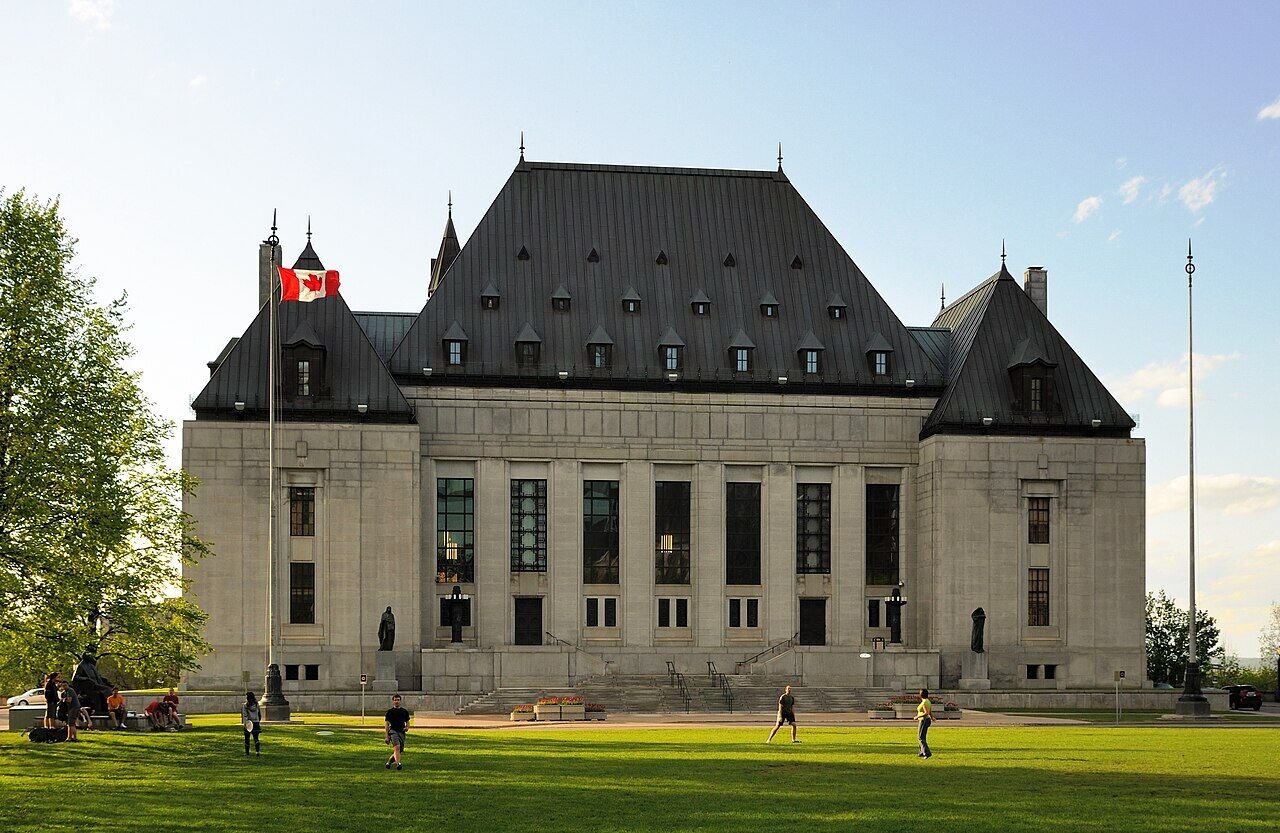
The Supreme Court of Canada announced on 22 October 2026 that it will hear file 42261, Attorney General of Canada, et al. v. Canadian Civil Liberties Association, et al. The Court’s docket records the judgment on leave: the application for leave to appeal from the Federal Court of Appeal’s judgment in 2026 FCA 6 (16 January 2026) “is granted with costs in the cause.” The Court also granted the Canadian Civil Liberties Association and the Canadian Constitution Foundation leave to cross-appeal. A motion by an individual, Maurice Gatien, to intervene at the leave stage was dismissed. The Registrar will set the schedule for filing. There is no hearing date yet.
What the lower courts decided
The Court’s case summary sets out the history. In February 2022 the federal government invoked the Emergencies Act for the first time, in response to protests about the public health response to COVID-19. Participation in certain public assemblies was prohibited, and banks were required to freeze the assets and accounts of designated persons.
- Federal Court, 2024 FC 42: the decision to issue the Proclamation and the associated Regulations and Order was unreasonable and ultra vires the Emergencies Act. The Regulations infringed s. 2(b) of the Charter (freedom of expression) and the Order infringed s. 8 (unreasonable search and seizure). Neither infringement was justified under s. 1. Some applications were dismissed for lack of standing.
- Federal Court of Appeal, 2026 FCA 6: all appeals and cross-appeals dismissed.
The application for leave to appeal from the judgment of the Federal Court of Appeal … is granted with costs in the cause. — Supreme Court of Canada, docket 42261, 22 October 2026
What the Supreme Court will look at
The Court’s case summary lists the issues raised: the principles courts apply when reviewing a public order emergency proclamation; whether the temporary emergency measures unjustifiably limited Charter rights; and whether the Governor in Council and Cabinet are legally interchangeable for judicial review purposes. It cites ss. 3, 16, 17, 19 and 58 of the Emergencies Act and s. 2 of the CSIS Act, which defines “threats to the security of Canada.” The Attorneys General of Alberta and Saskatchewan are listed as interveners. A grant of leave says only that the Court will hear the case. It is not a ruling on who is right.
What this piece refuses
Do not write that the Supreme Court “overturned” or “sided with” anyone. It has agreed to hear the appeal and the cross-appeals, nothing more. We have not reported a hearing date, because none is set. We did not use a frozen-account count in this piece, because the Court’s docket does not give one. Earlier Teabag coverage cited the Federal Court ruling as 2024 FC 38. The Supreme Court’s docket cites it as 2024 FC 42, and we have corrected that piece.
Bottom line
Verified on the Supreme Court of Canada docket for file 42261: on 22 October 2026 the Court granted Ottawa leave to appeal 2026 FCA 6 and granted cross-appeals to the CCLA and the CCF. Until the Court rules, the findings that the 2022 invocation was unreasonable and breached Charter ss. 2(b) and 8 remain in place.