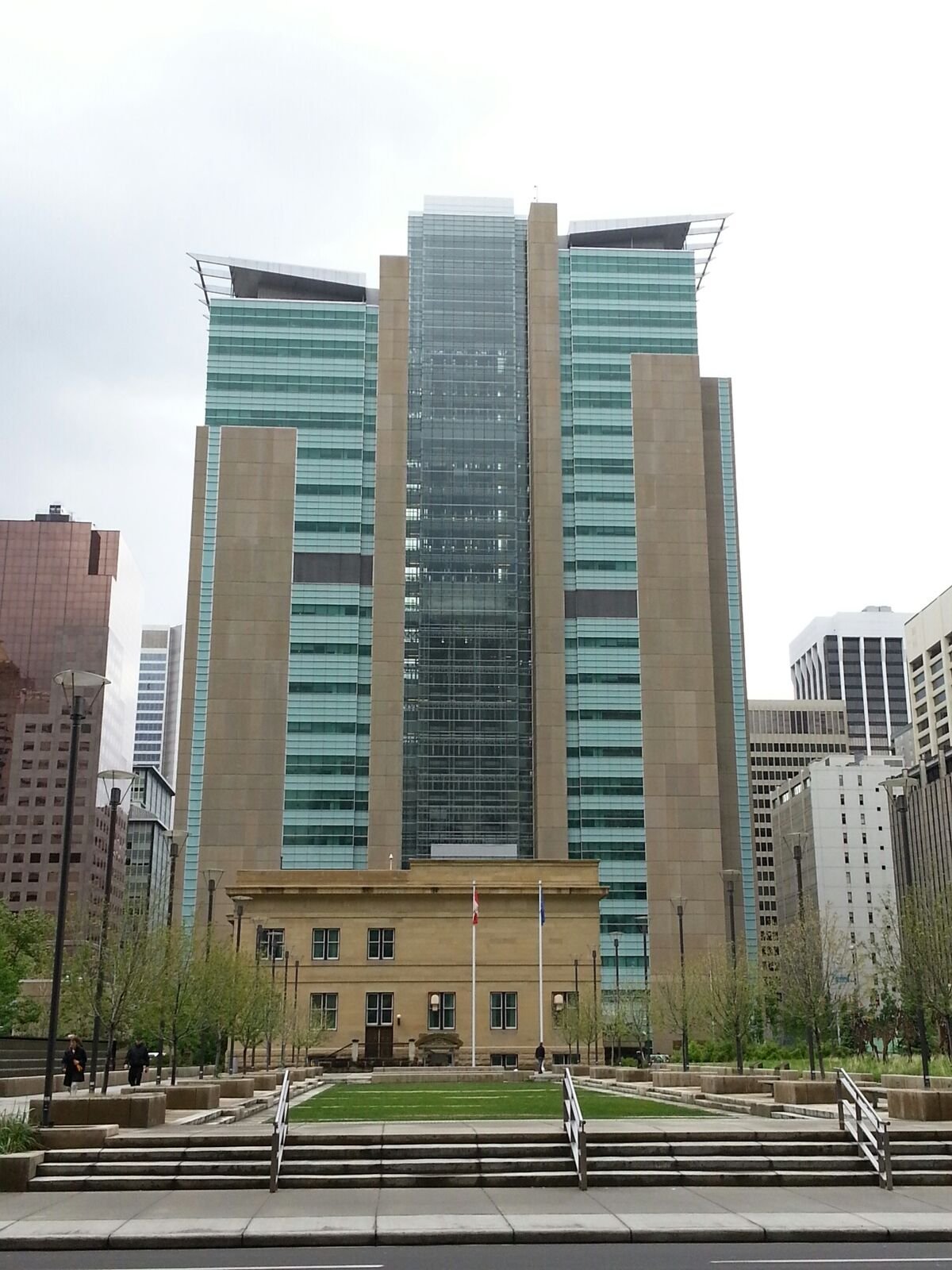
A three-judge panel of the Court of Appeal of Alberta — Justices Dawn Pentelechuk, Kevin Feehan, and Joshua B. Hawkes — filed a memorandum of judgment on 1 October 2026 in R v Carbert, 2026 ABCA 314 (Dockets 2401-0239A and 2401-0266A, Calgary). The appeals came from jury convictions entered on 2 August 2024 before Justice D.A. Labrenz. The court’s conclusion is one line: “For these reasons, the appeals are dismissed.” The reasons say a good deal more about police conduct at the 2022 Coutts blockade.
The court found the wiretap of Mr Carbert was never justified and the police breaches were “not minor” — and admitted the guns anyway, because excluding them “would do greater damage to the integrity of our justice system.”
What was under appeal
Carbert and Olienick were two of four men charged after the RCMP ended the blockade with arrests on 13–14 February 2022. A jury acquitted both of conspiracy to commit murder of a police officer and convicted them of possessing a weapon for a dangerous purpose (s 88(1)) and mischief (s 430(1)(c)). Olienick was also convicted of unlawfully possessing an explosive (s 82(1)). Neither appealed the mischief conviction. The court records that police found 12 rifles, a shotgun, two 9mm handguns, ammunition, body armour, and other items at the Coutts property, and two pipe bombs at Olienick’s Willow Creek residence.
What the court found against the police
- Emergency wiretaps (s 184.4): The trial judge allowed the first 24 hours of warrantless interceptions for both men. The Court of Appeal held the s 184.4 conditions were never met for Carbert. For Olienick the evidence was “significantly stronger,” and the court saw no error in upholding the start of the interceptions, but it found police breached his privacy for “approximately two full days” after that. It called the wiretap breaches “serious,” repeated the trial judge’s finding that the officer in charge showed “some reckless disregard” for the Charter values set out in R v Tse, and described the unlawful interceptions as serious Charter-infringing conduct and an “abuse of police authority.”
- Coutts property warrant: The court agreed the warrant was “impermissibly broad and facially invalid.” The ITO did not tie the accused to the specific camper trailer they were using, and the search also intruded on other temporary residents who were not suspects.
- Seriousness: The trial judge had called the search breach minor and technical. The appeal court disagreed: “The s 184.4 wiretap breaches colour and exacerbate the search warrant breaches,” and “the breaches were not minor.” It also held the trial judge erred by not weighing the related breaches together.
Why the evidence stayed in
Under section 24(2) of the Charter, the court found the first two Grant factors (seriousness of the breaches and their impact on the accused) “pull moderately in favour of exclusion.” Police did seek and obtain judicial authorization for the search, which the court said “significantly tempers” the seriousness. On the third factor it wrote: “the strongest consideration in the circumstances is the public interest in the prosecutions proceeding with the benefit of the evidence. The prosecutions aimed to deter and denounce dangerous forms of public protest that are squarely antithetical to Canadian democratic values.” It concluded that excluding the firearms “would do greater damage to the integrity of our justice system.” The court also rejected Carbert’s challenges to the jury charge on s 88(1) and his claim of inconsistent verdicts, and Olienick’s challenge to the searches of his truck and residence.
What this piece refuses
Do not write that the court “cleared the RCMP.” It found serious Charter breaches. Do not write that the convictions were overturned or that the Charter findings set the men free. Do not report the jury as having found a murder plot: the conspiracy charge ended in acquittal. Sentence figures and bail status come from news reports and the trial record, not this memorandum, which deals with the conviction appeals. News reports say separate sentence appeals are still pending. This piece does not take a view on the 2022 protest itself.
Contested: Defence counsel Katherin Beyak told reporters it is troubling that the RCMP were found to have repeatedly acted unconstitutionally while her client got no remedy (as quoted by The Counter Signal). The Crown’s position, which the court accepted, is that reliable firearms evidence should not be lost when police followed the warrant process in good faith, even imperfectly. Civil-liberties readers and law-and-order readers will both find something to object to here. The verified ledger is the judgment.
Bottom line
Verified as of 5 October 2026: 2026 ABCA 314 (1 Oct) dismisses both conviction appeals, holds the s 184.4 wiretap of Carbert unjustified and the Coutts warrant facially invalid, rates the combined breaches “not minor,” and still admits the evidence under s 24(2). Watch the sentence appeals and any leave application to the Supreme Court of Canada.