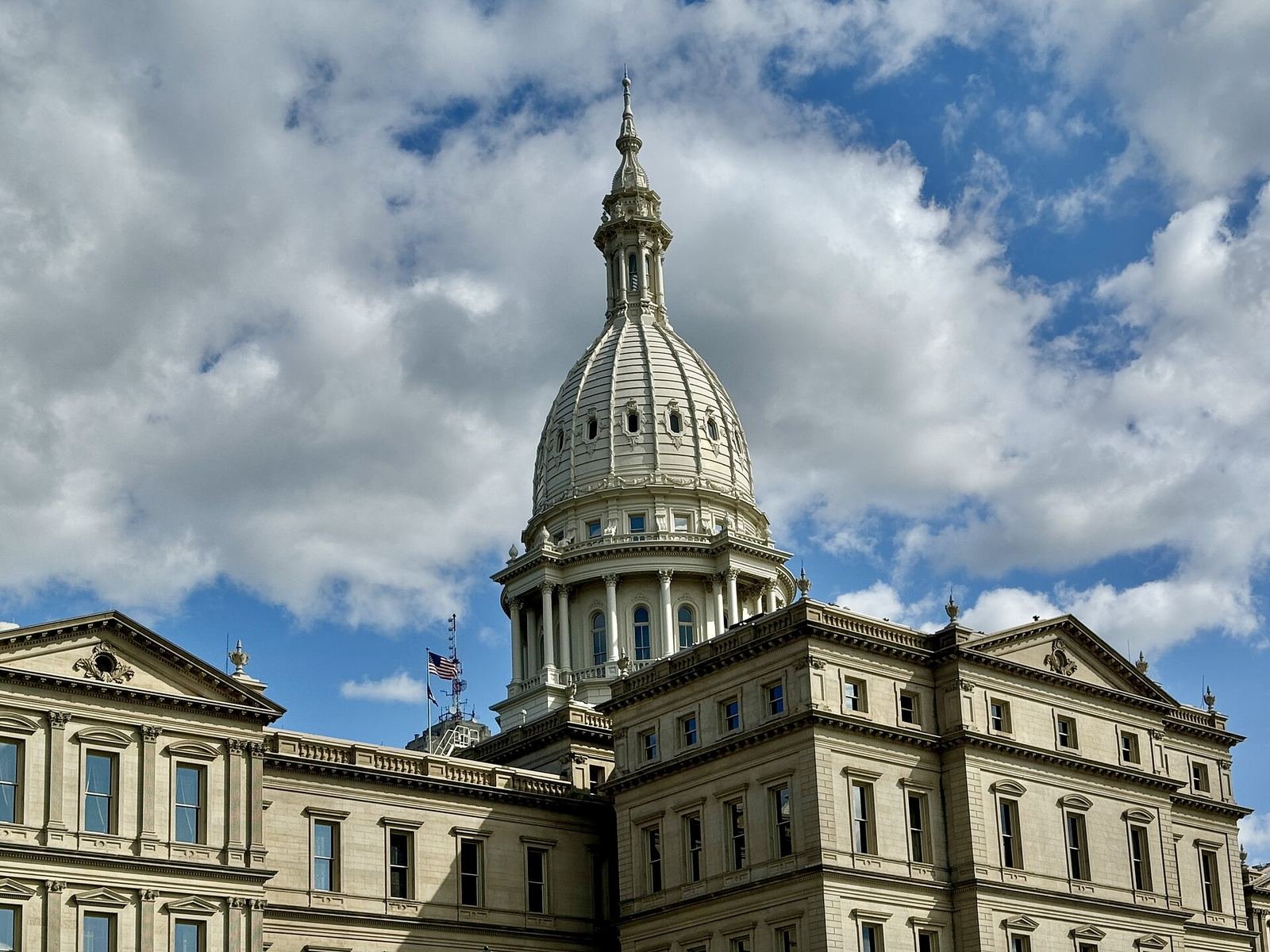
On 2 November 2026, the day before the midterms, Michigan Court of Claims Judge Michael J. Riordan issued a final opinion and order in McQueer v. Benson (No. 26-000172-MZ). Bridgewater Township Clerk Michelle McQueer, later joined by the Republican National Committee and Michigan Republican Party as intervening plaintiffs, challenged a Bureau of Elections rule that told local clerks to wipe electronic pollbooks (EPBs) within a week of certification.
What the court held
- State-law win for retention. The court held that Rule 168.48 conflicts with MCL 168.811, which requires 22-month retention of election returns including poll lists and statements. Because transferring EPB data into the statewide Qualified Voter File does not keep the EPB’s full content, context, structure and metadata, the seven-day deletion rule is invalid. “When an administrative rule conflicts with a statute, the statute controls.”
- Permanent injunction. The court permanently enjoined enforcement of Rule 168.48 and required preservation of EPBs in the form they currently exist, consistent with MCL 168.811. After 22 months, clerks may erase and reuse the flash drives.
- No federal preemption finding. The court granted the defendants’ motion for summary disposition on the claim that Rule 168.48 is inconsistent with or preempted by federal law (52 U.S.C. §§ 20701–20702) and denied the plaintiffs’ motion on that theory. The injunction rests on Michigan statute, not on a holding that federal law independently bars the rule.
- Separation of powers note. The court said it would not dictate the precise retention method; the Secretary of State and Department of State must draft instructions for local officials that comply with the order.
Citizen impact
For the 3 November general election and future elections, Michigan clerks may not lawfully follow the seven-day EPB wipe while the injunction stands. Audits and records requests that depend on the original electronic poll list and its metadata have a clearer statutory path. The order does not change who may vote today; it changes how long the electronic pollbook record must survive after the canvass.