From 1 November, every item in an online parcel from outside the EU carries a €2 ‘handling fee’ on top of the €3 duty
Starting tomorrow, the EU charges a non-refundable €2 Union handling fee on each distinct item in e-commerce parcels sent to consumers from outside the EU, whatever the value. The seller or carrier pays it and can pass it on. Ireland’s Revenue gives an example: a €10 parcel holding a pen, a notebook and a key ring now carries €15 in charges, plus VAT.
Why this lean: Explains the fee from Commission and member-state tax-authority documents with worked examples, without calling it either protectionism or consumer protection. Scored 0.
Lean score (−100 far left to +100 far right; 0 = centre) reflects how this article frames the issue — language emphasis and narrative tilt — not a verdict on truth. Data-first pieces with balanced sources trend toward centre. Disclosed for transparency; not a ranking of correctness.
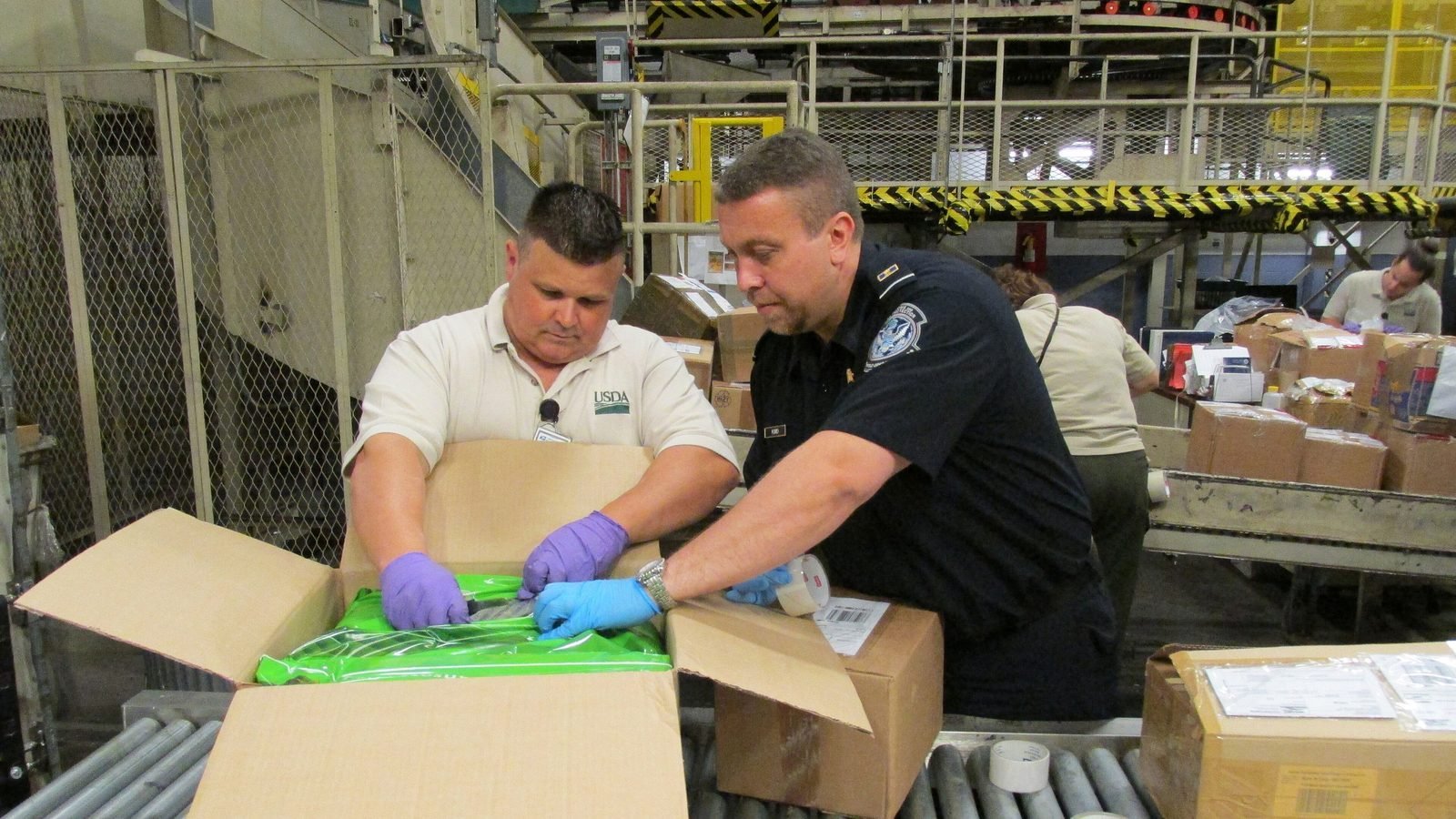
Customs and agriculture officers open an imported parcel at an international mail facility (illustrative; a U.S. facility, not an EU one). Photo: USDA, public domain, via Wikimedia Commons
The EU’s customs reform, Regulation (EU) 2026/2108, entered into force in September. It created a Union handling fee on e-commerce imports to cover customs authorities’ costs. Commission Delegated Regulation (EU) 2026/2152 sets the amount. The Commission says: “From 1 November 2026, the EU will apply the €2 Union handling fee.”
How it works
€2 per distinct item in a package. Identical items count as one.
It applies to all e-commerce goods sent from outside the EU (including Great Britain) to EU consumers, “regardless of the value”.
It is paid by the e-commerce seller or the business delivering the goods, which “may pass on the charge to the end consumer”. That can happen at checkout or on delivery.
It is “NOT refundable, even where goods are later found to be faulty.”
It comes on top of the temporary €3 customs duty per item on consignments up to €150, which applies from 1 July 2026 until 1 July 2028, and on top of VAT.
Ireland’s Revenue Commissioners give these examples:
A €10 package with a pen, a notebook and a key ring (three items): €9 duty plus €6 handling fee = €15 plus VAT.
Two identical pens (one item): €3 + €2 = €5 plus VAT.
Jeans (€100) and runners (€150) together, over the €150 threshold: normal duty of €12 and €25.35, plus a €4 handling fee = €41.35 plus VAT.
Revenue says the fee “is intended to cover the increased costs being incurred by Customs authorities as a result of the huge growth of eCommerce”.
Citizen impact: Cheap multi-item orders from non-EU platforms see the biggest relative jump: five different €2 items now carry €25 in fixed charges before VAT. Goods shipped from EU retailers or EU warehouses do not pay the fee. Canadian online sellers shipping to EU customers are caught too, so their buyers will see the charge.
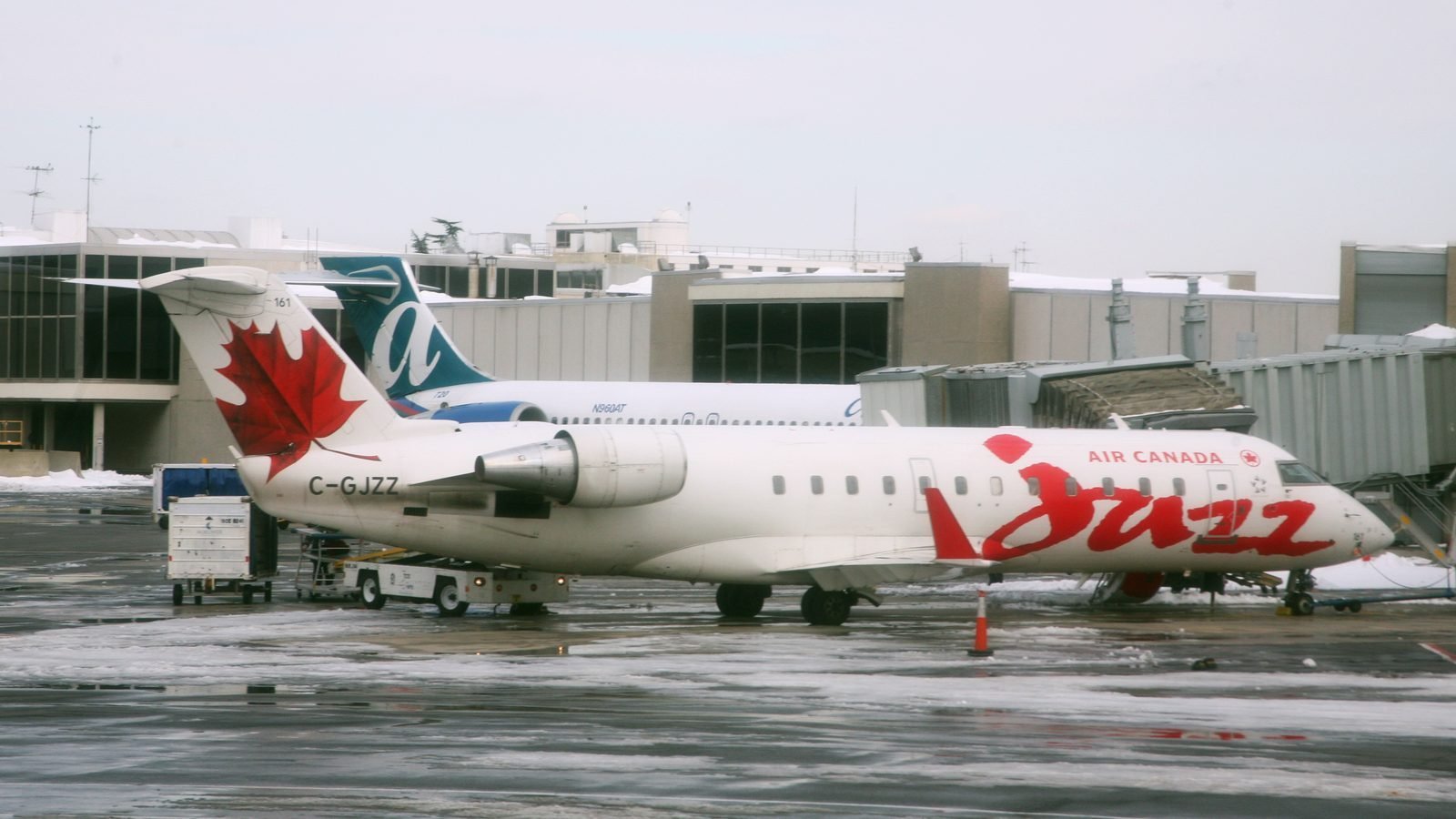
In a report to the Transport Minister, released 28 October, the Competition Bureau says the airlines’ proposed expanded joint venture would let them coordinate fares on 10 routes where a 2012 consent agreement now bars it. The two airlines carry all non-stop traffic on five of those routes. The Bureau predicts materially higher prices on eight of the 10. Transport Minister Steven MacKinnon makes the final call, and public comments close 15 November.
Daily Teabag Desk·Centre
Policy Watch|United States, Canada, European Union
Proclamation 11077, signed 28 October and due in the Federal Register on 2 November, adopts Commerce’s finding that imports of robotics, industrial machinery and their parts “threaten to impair the national security”. It orders Commerce and the U.S. Trade Representative to negotiate agreements with trading partners and report back within 180 days. No tariff is imposed now, but tariffs, quotas, fees and an investment-incentive program remain options.
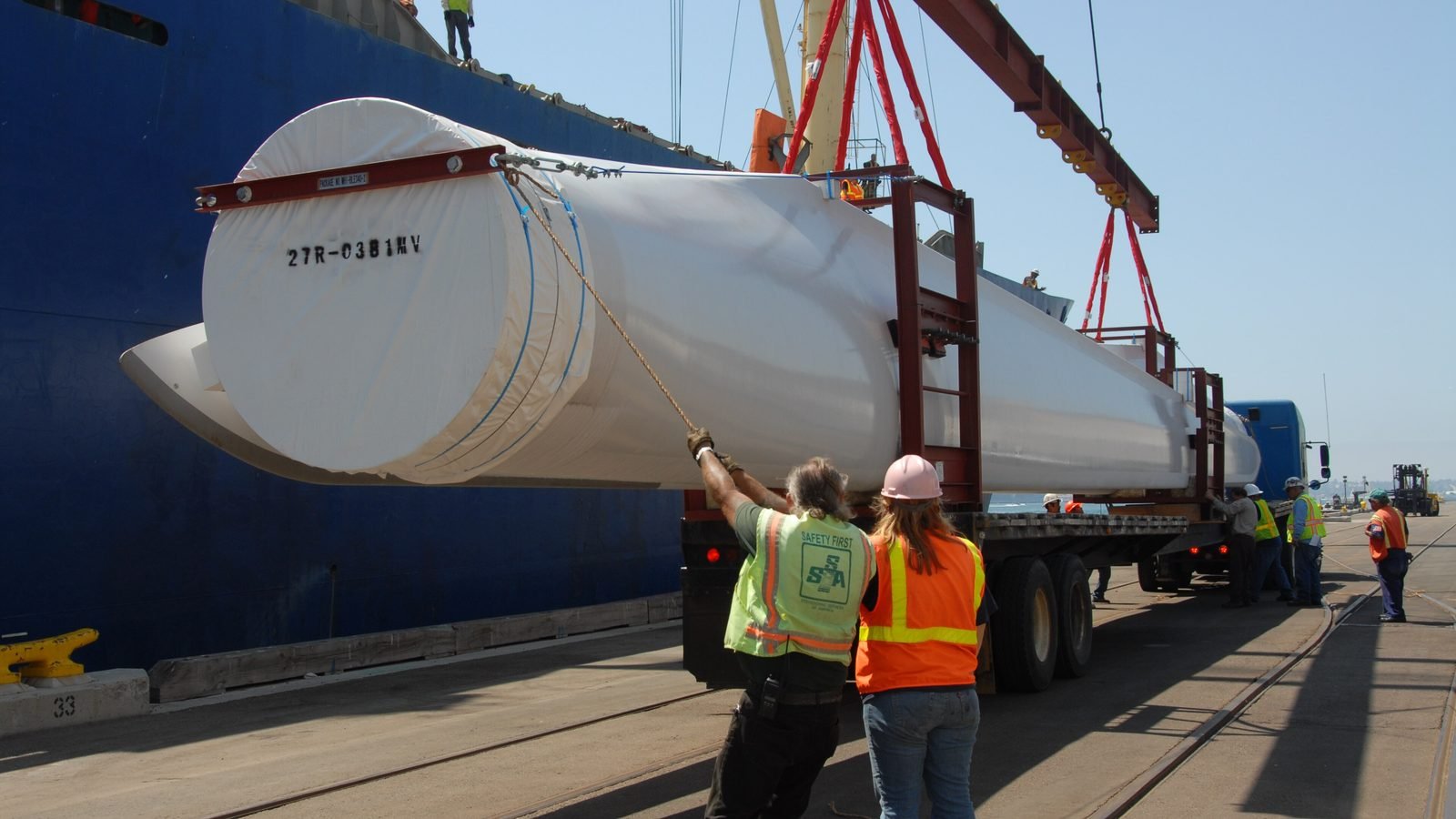
Proclamation 11074, published today, adopts Commerce findings that imported wind turbines and parts threaten U.S. security (grid reliability, radar clutter, hackable inverters) and tells Commerce and the USTR to negotiate with trading partners, with an update due in 180 days. It adds no new duty; existing steel, aluminium and copper tariffs on turbine parts stay. A same-day Defense Production Act determination lets the Secretary of War fund domestic oil production, refining, pipelines and storage.
A proclamation signed 23 October modifies Proclamation 11048 for a second time. Annex I Part A takes 22 eight-digit tariff lines off the 50% duty, including thin plywood, some paper and paperboard, packing machinery and some refrigerating equipment. Part B adds 96 lines, including carpets, valves, window air conditioners, chest freezers, MDF, wood flooring, paints, soap, shampoo and canoes. The tariff applies whether or not a good qualifies under USMCA, on top of Section 232 duties, for goods entered from 12:01 a.m. ET on 30 October. Published 30 October as Proclamation 11076 (91 FR 68861); in effect from today.