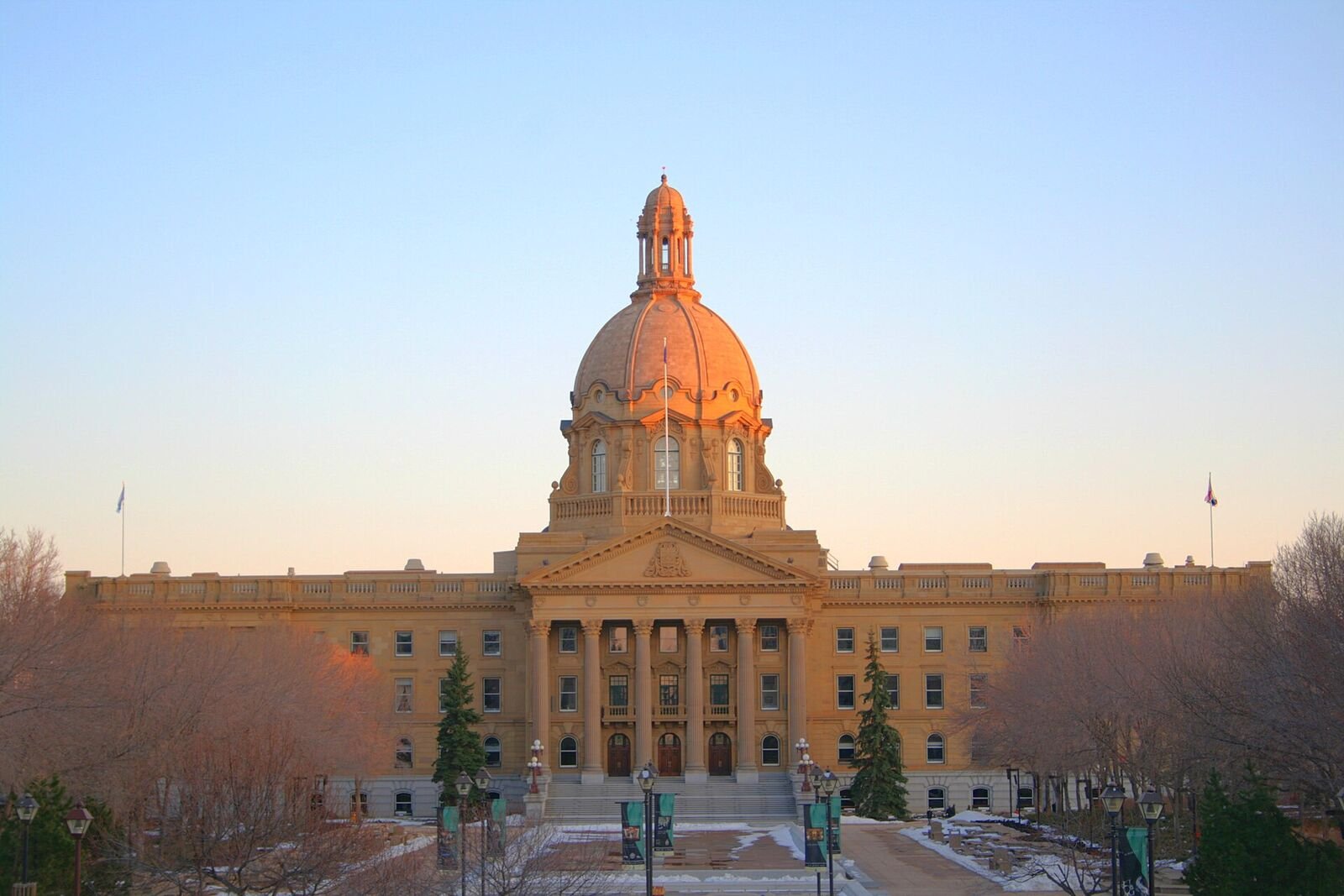
Alberta’s ballot of grievances: remain, start a separation process, or reclaim power from Ottawa?
With mail ballots flooding Elections Alberta, voters face a remain-or-start-separation choice plus immigration and constitutional questions that read like a western taxpayers’ indictment of Confederation.
Why this lean: Lean right (+70): foregrounds Alberta grievance and sovereignty-process framing. Elections Alberta procedural facts are separated from advocacy for any ballot outcome.
Lean score (−100 far left to +100 far right; 0 = centre) reflects how this article frames the issue — language emphasis and narrative tilt — not a verdict on truth. Data-first pieces with balanced sources trend toward centre. Disclosed for transparency; not a ranking of correctness.
Lean score (−100 far left to +100 far right; 0 = centre) reflects how this article frames the issue — language emphasis and narrative tilt — not a verdict on truth. Data-first pieces with balanced sources trend toward centre. Disclosed for transparency; not a ranking of correctness.
Alberta’s 19 October 2026 referendum (advance voting 13–17 October) is the clearest citizen-driven federalism fight on Canada’s calendar. The ballot is not a snap exit: Option A is remain in Canada; Option B starts a constitutional process that could lead to a later binding separation referendum — Option B is not immediate independence.
Elections Alberta earlier validated Stay Free Alberta’s petition at about 222,597 signatures against a threshold near 177,732. The broader UCP-era ballot package totals 10 questions, including immigration control and constitutional items that campaigners frame as pushback against “federal overreach.” Edmonton Journal’s 19 September countdown noted more than 520,000 vote-by-mail requests already — a participation surge before ballots are even counted.
Option B starts a process. It does not dissolve Canada on election night — and readers should punish anyone who pretends otherwise.
Politics vs petition: Premier Danielle Smith is campaigning for Alberta to remain. Western Standard tracked the petition’s validation; BBC and Postmedia explainers cover the remain-vs-process framing for international readers. First Nations litigation history around question wording remains a live legal subplot — treat ballot text as Elections Alberta publishes it, not as activist paraphrase.
Independent and mainstream desks agree on the structure even when they disagree on motives: this is western alienation turned into a multi-question citizen ballot. Immigration, Senate, judicial, and separation-process items sit beside each other — a grievances package as much as a single yes/no on nationhood.
Bottom line: Watch mail turnout, official question text, and whether Option B’s “process only” disclaimer survives campaign rhetoric. Daily Teabag will update when Elections Alberta posts certified results — and will keep the Option B ≠ instant exit line in every related piece.
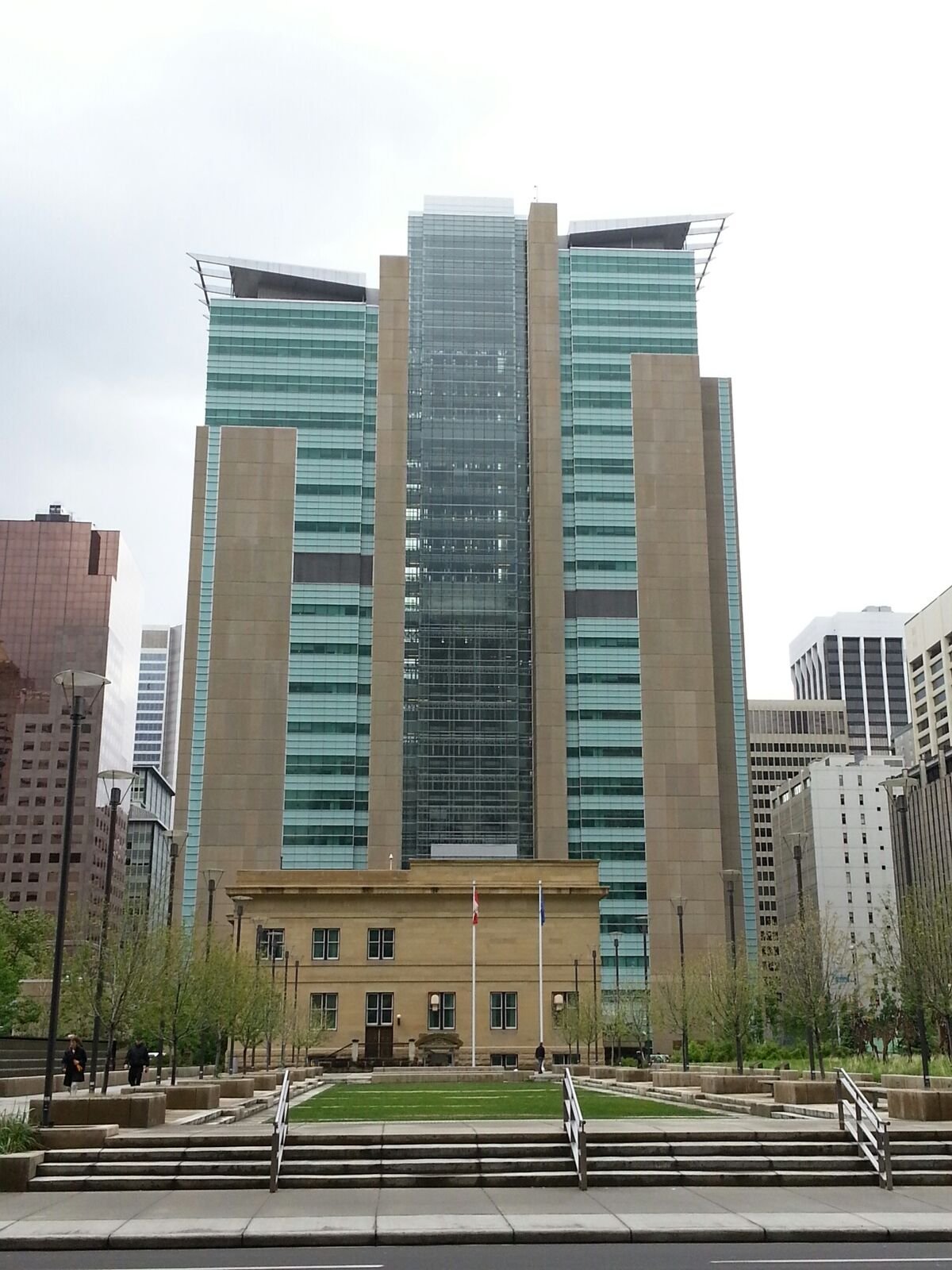
A Calgary chambers hearing pushed Rebel News’s mandamus application toward an expedited schedule before the Oct. 19 referendum — a process fight over third-party money reports, not a ruling on the ballot questions.
Education Amendment Act 2024 (Bill 27) took effect 1 Sep 2025: notify parents of gender-related name/pronoun requests; consent under 16; parental opt-in (not opt-out) for explicit gender/sexuality subject matter. Egale/Skipping Stone challenge followed within days. Do not conflate with Bill 26’s gender-care injunction.
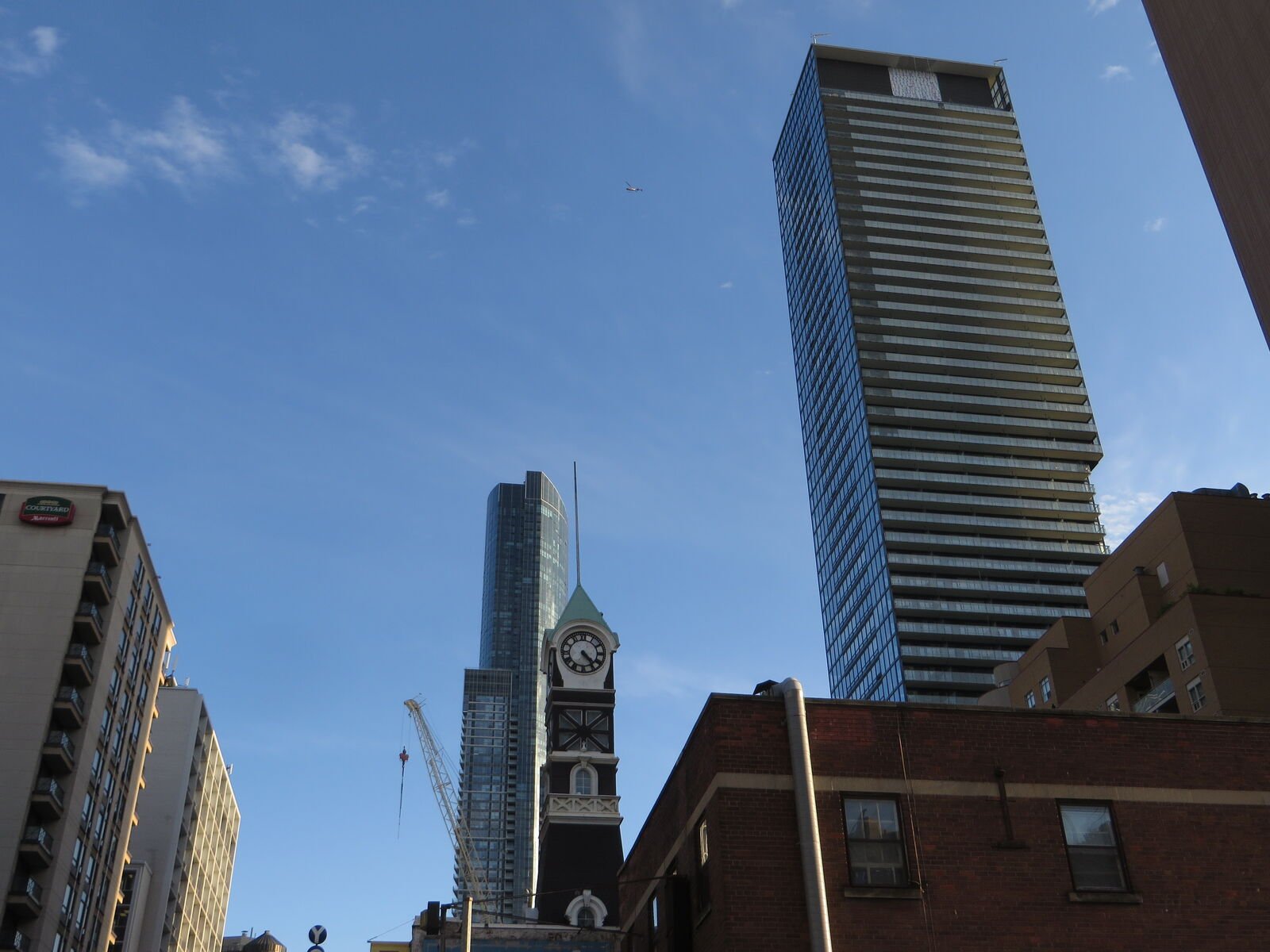
Indigenous, environmental, and labour coalitions filled downtown Toronto against the PM’s trillion-dollar pitch — and named Mackenzie Valley, Grays Bay, and a nuclear DGR as the next Building Canada Act flashpoints.
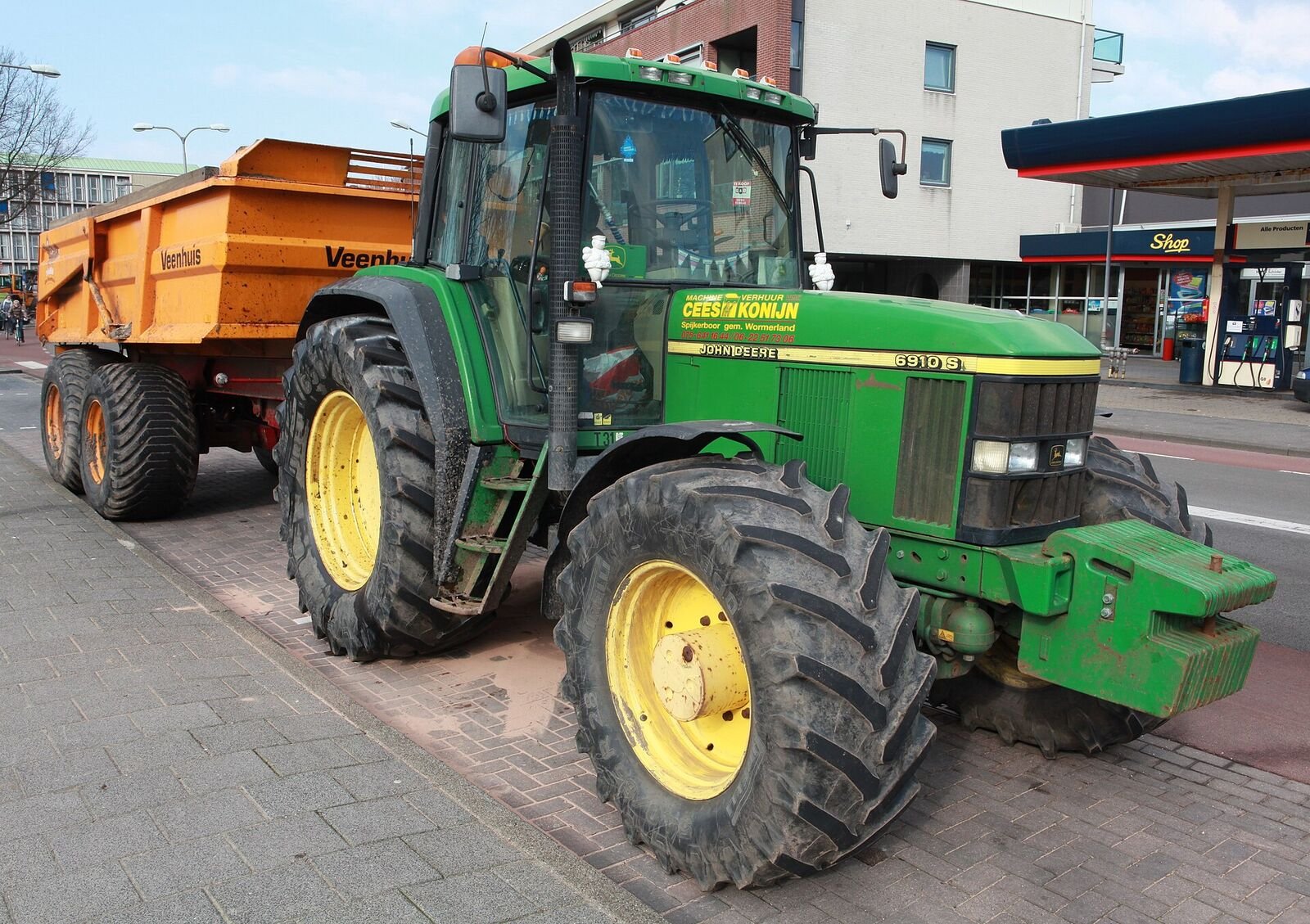
Roadside fires and blockades hit Budget Day as livestock producers reject a €20-billion package they say will shrink herds — while police separately hunt who sabotaged 20+ rail sites.