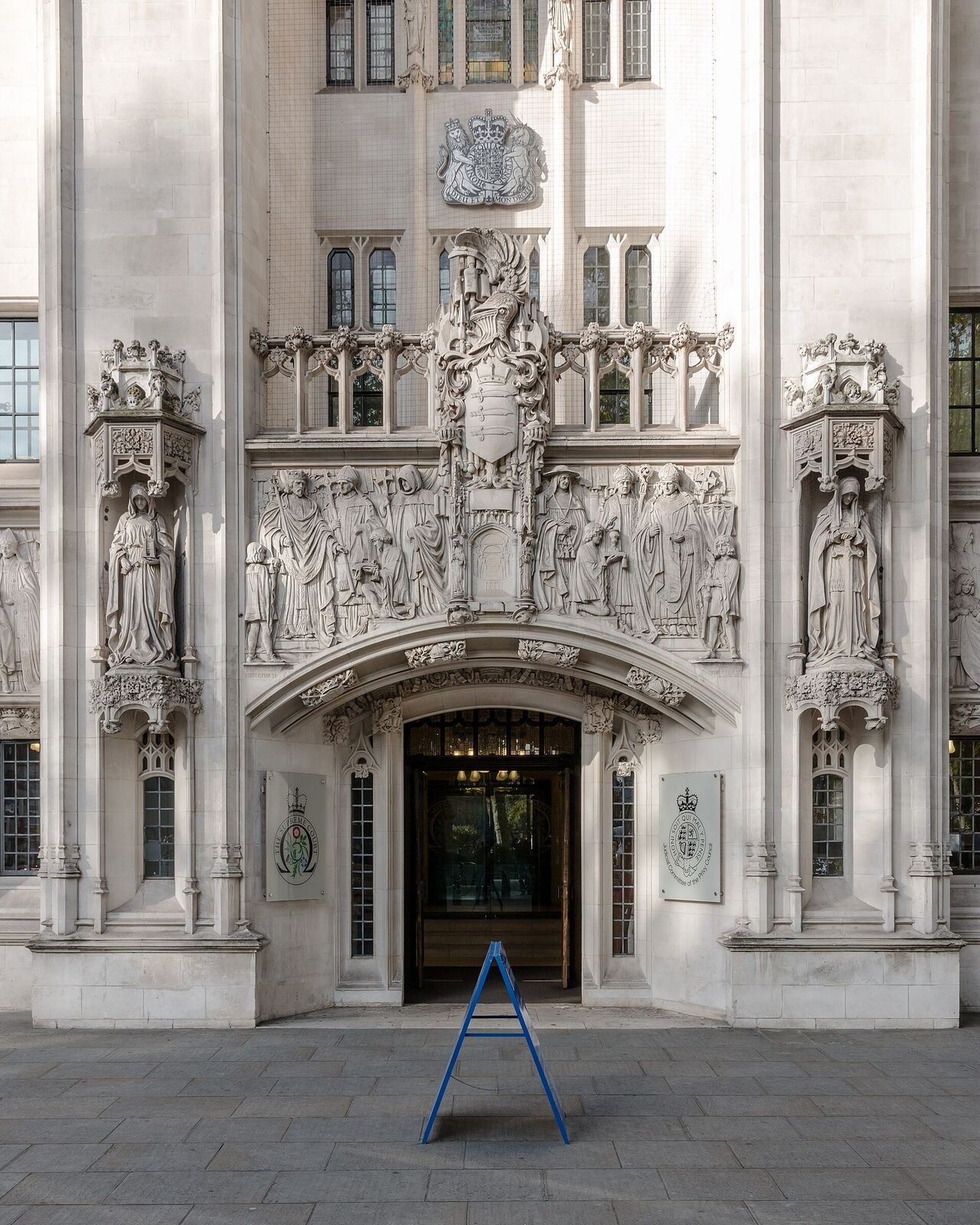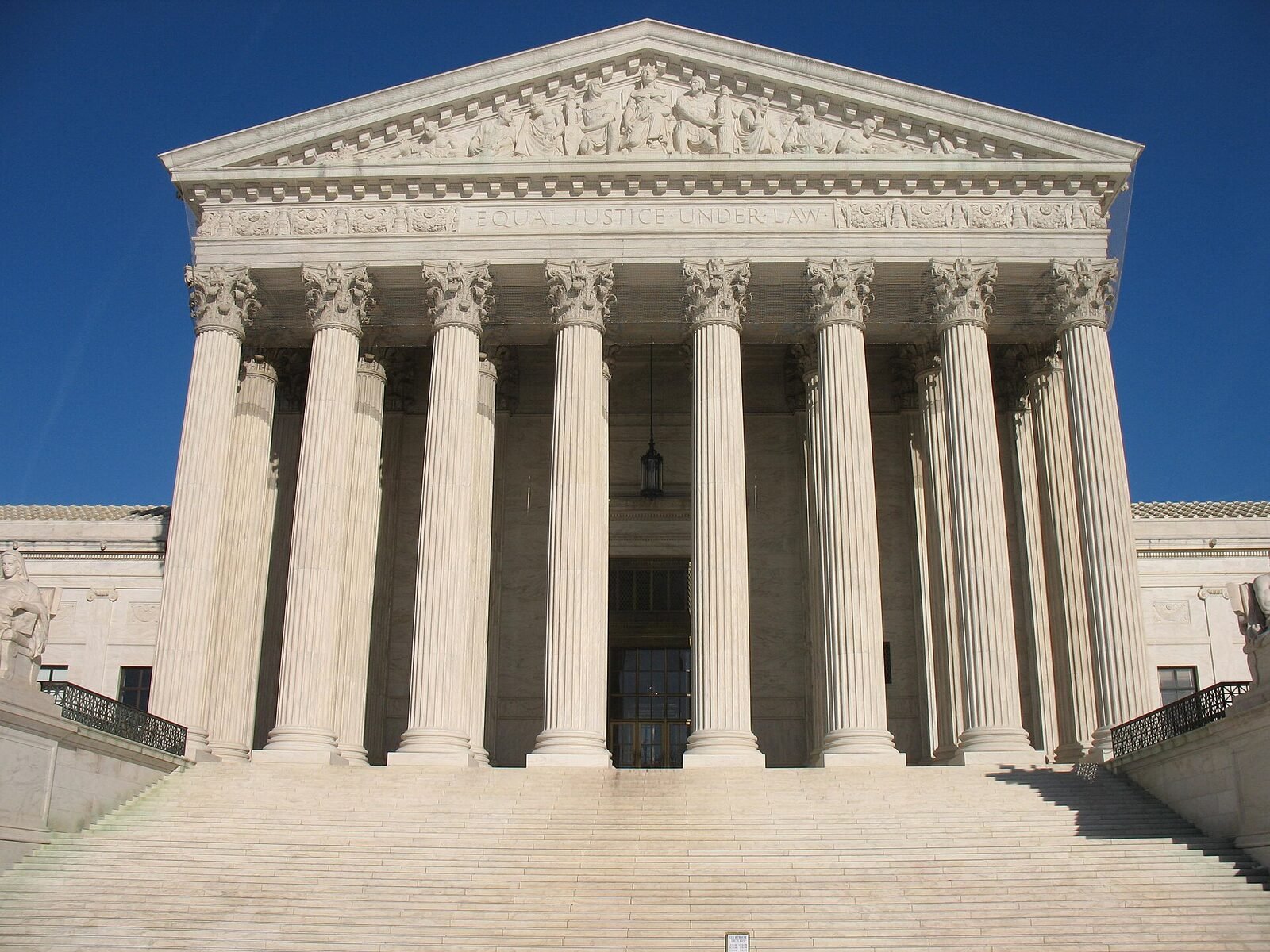
The Trump administration has taken a live federal-prisons sex-and-medical-care fight to the U.S. Supreme Court. On 28 September 2026 Solicitor General D. John Sauer filed an emergency application — docketed as No. 26A416, captioned Donald J. Trump, et al. v. Alishea Sophia Kingdom, et al. — asking the Court to stay District of Columbia orders that prohibit the Federal Bureau of Prisons from enforcing its February 2026 gender-dysphoria treatment policy while appeals continue.
An emergency stay application is not a Supreme Court merits ruling. What is verified today is the filing, the policy text described in that filing, and the lower-court block the government wants lifted.
What the 2026 BOP policy does (per the application)
According to the Solicitor General’s application PDF, BOP’s February 2026 policy — accompanied by a 43-page memorandum and a ~3,200-page administrative record — states that BOP will:
- Diagnose gender dysphoria through mental-health or primary-care clinicians and tailor treatment plans, generally addressing comorbidities first.
- Continue psychotherapy, group counseling, psychiatric services, and psychotropic medications for gender dysphoria.
- Not provide sex-trait-modification surgeries (listing examples including vaginoplasty, phalloplasty, orchiectomy, mastectomy, facial feminization, and related procedures), while still treating complications from prior surgeries.
- Not start hormones for gender dysphoria in inmates not already receiving them; for inmates currently on hormones, develop an individualized tapering plan.
- Not provide social accommodations (binders, padding, makeup, wigs, and similar appearance-altering items) and remove them when practicable.
BOP’s stated independent justifications (as summarized in the application): (1) latest scientific information casting doubt on prior WPATH-aligned reliance, and (2) security / prison-administration concerns (victimization risk, fairness conflicts, self-harm incentive dynamics, contraband/identity-concealment risks). The application also ties the policy context to Executive Order 14,168 (20 January 2025) while asserting BOP adopted the 2026 policy on its own judgment.
Procedural path into the Court
Named respondents are three BOP inmates diagnosed with gender dysphoria who sued after the 2025 implementing memoranda. Judge Royce Lamberth (D.D.C.) certified a nationwide class and blocked enforcement. After BOP issued the 2026 policy, the district court on 17 June 2026 entered a new preliminary injunction and APA §705 stay requiring pre–executive-order “gender-affirming care” practice; on 26 August 2026 it renewed essentially the same relief for another PLRA 90-day window. A divided D.C. Circuit panel denied a stay on 18 September 2026 (Judge Walker dissenting). The government then sought Supreme Court relief.
Contested: Plaintiffs and the district court treat the 2026 policy as arbitrary under the APA and reverse-engineered to the Executive Order; the government argues APA deference, double deference to prison administrators (Bell v. Wolfish), and PLRA overbreadth (including enjoining surgery bans respondents did not claim as irreparable harm). This piece tracks the verified filing and lower-court posture — not a prediction of how the Court will rule.
Update, 9 October 2026: the application is fully briefed
The public docket now shows four new filings. Nothing has been decided.
- Opposition (8 October). The respondents, represented by the ACLU, the ACLU of D.C. and Transgender Law Center, filed on deadline. They say BOP has given hormone therapy for gender dysphoria since at least 1992 and that the 2025 reversal cut off treatment for “almost 1,000 people in its custody.” They argue the 2026 Program Statement 5260.01 is arbitrary and capricious under the APA in three ways: BOP ignored its own decades of experience with the care, the policy is unreasonable, and the stated reasons are pretextual. They also say the government forfeited its new Prison Litigation Reform Act argument by not raising it in the district court, and that the case is not worth certiorari in this posture.
- Amicus briefs for the government (8 October). Indiana, Idaho, 22 other states and the Arizona Legislature filed in support of the stay, as did the group America’s Future.
- Reply (9 October). The Solicitor General says the policy treats gender dysphoria, which “all agree” is a mental-health disorder, through mental-health care rather than “physical, sex-rejecting interventions.” It says BOP issued the 2026 policy after seven months of assessment, a 3,200-page administrative record and a 43-page decision memo, and that the order exceeds PLRA limits and ignores the deference owed to prison administrators.
The Court can now act at any time, either by the Chief Justice as circuit justice or after referral to the full Court. Until an order issues, the district court’s block on the 2026 policy stays in place.
Bottom line
Do not write “the Supreme Court approved the BOP policy” or invent a stay grant/deny. Verified as of 30 September 2026: emergency application No. 26A416 filed 28 Sep; Chief Justice requested a response by 4 p.m. EDT on 8 October 2026; D.C. Cir. already denied stay; still application-only. Watch the response and any subsequent order — not social speculation.