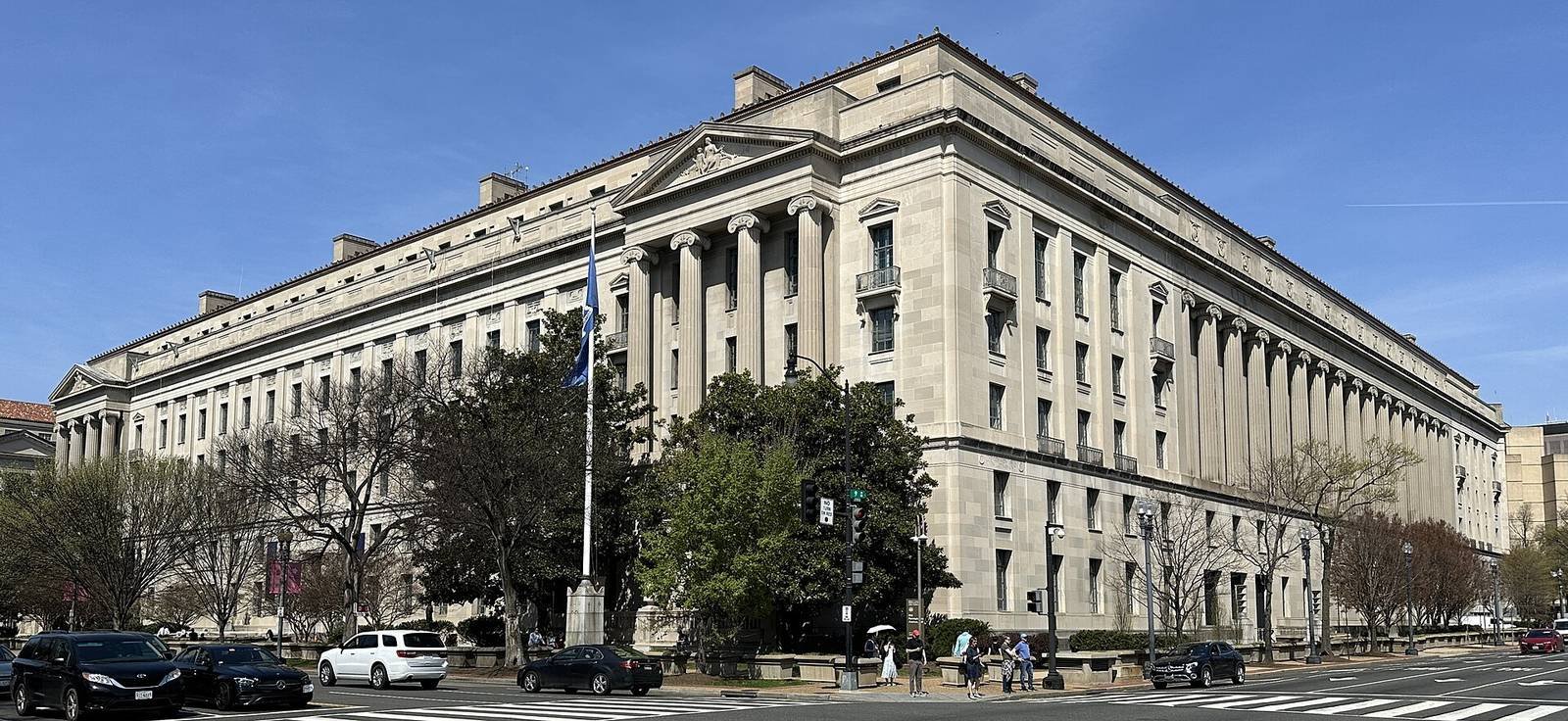
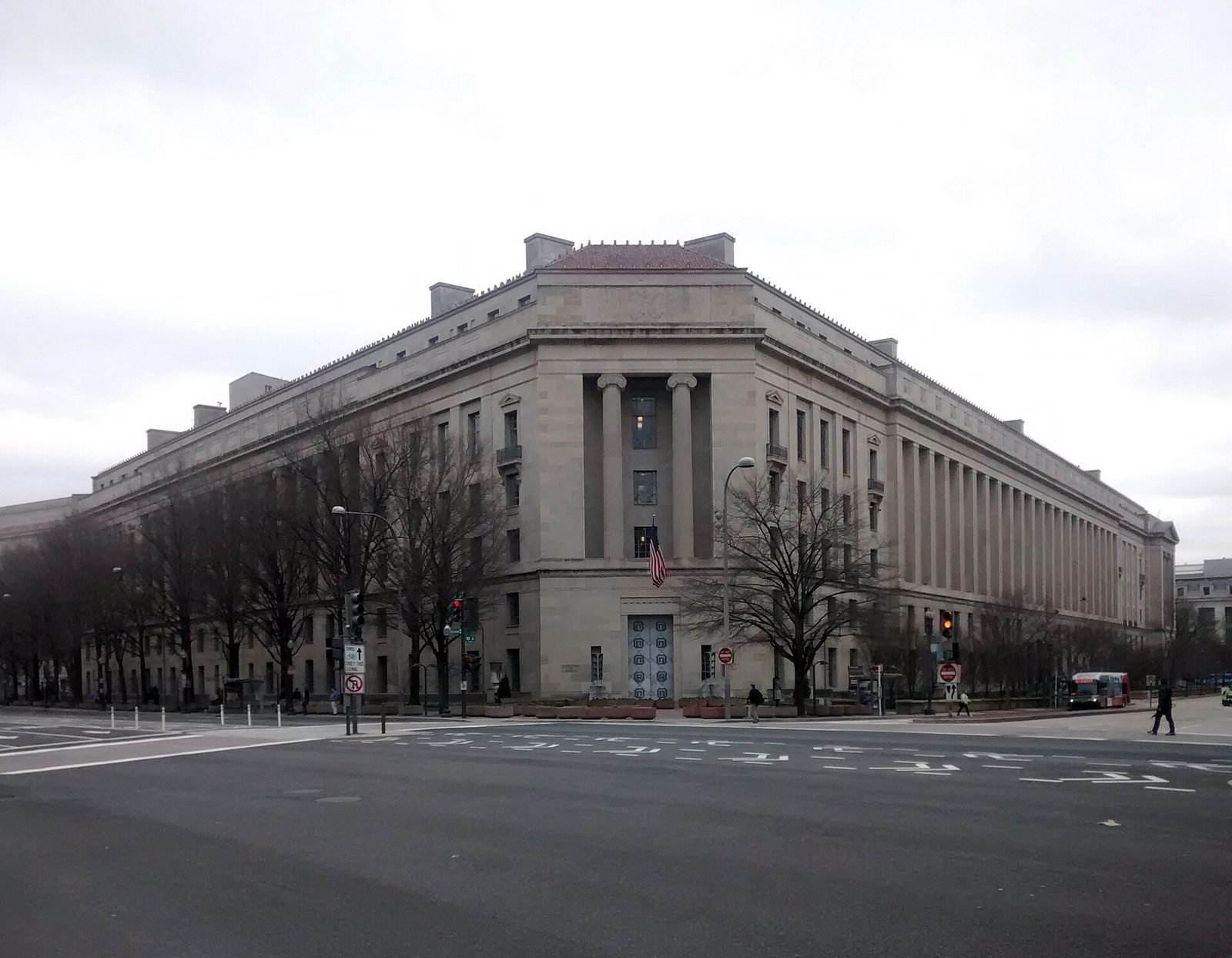
On Tuesday 3 November 2026, Election Day, DOJ’s Office of Public Affairs announced what it called the department’s largest election-monitoring effort in its history: about 1,000 election monitors and observers, deployed for the first time in all 50 states. The Civil Rights Division is coordinating the work. Personnel are drawn from that division, other DOJ components, U.S. Attorney’s Offices and federal observers from the Office of Personnel Management. Division staff are to keep contact with state and local election officials through the day.
What monitors are supposed to check
According to the release, monitors look for compliance with federal voting-rights statutes the Division enforces, including the Voting Rights Act, National Voter Registration Act, Help America Vote Act, Uniformed and Overseas Citizens Absentee Voting Act and Civil Rights Acts. The Disability Rights Section covers ADA access at the polls. The Criminal Section’s remit, as stated, is intimidation or suppression based on race, color, national origin or religion.
Assistant Attorney General Harmeet K. Dhillon said election integrity has been a top priority and described the deployment as “assertive and nondiscriminatory.” The release does not claim monitors can overturn local counts or seize ballots.
Where DOJ says it will be
The announcement lists intended counties and cities in every state—from Anchorage, Dillingham and Kusilvak in Alaska to Maricopa and Pima in Arizona, Fulton and Cobb in Georgia, Philadelphia and Allegheny in Pennsylvania, and dozens more. Inclusion on the list is DOJ’s stated plan, not proof that a particular precinct had a problem.
Citizen impact
Eligible voters still cast ballots under state law. DOJ published a hotline (1-800-253-3931), email (VEM@usdoj.gov) and civil-rights complaint portal for federal voting-rights questions. Polling-place disruptions should still go first to local election officials; threats or violence to local police (911), then to DOJ. This is a staffing and oversight announcement on Election Day, not a new statute.