
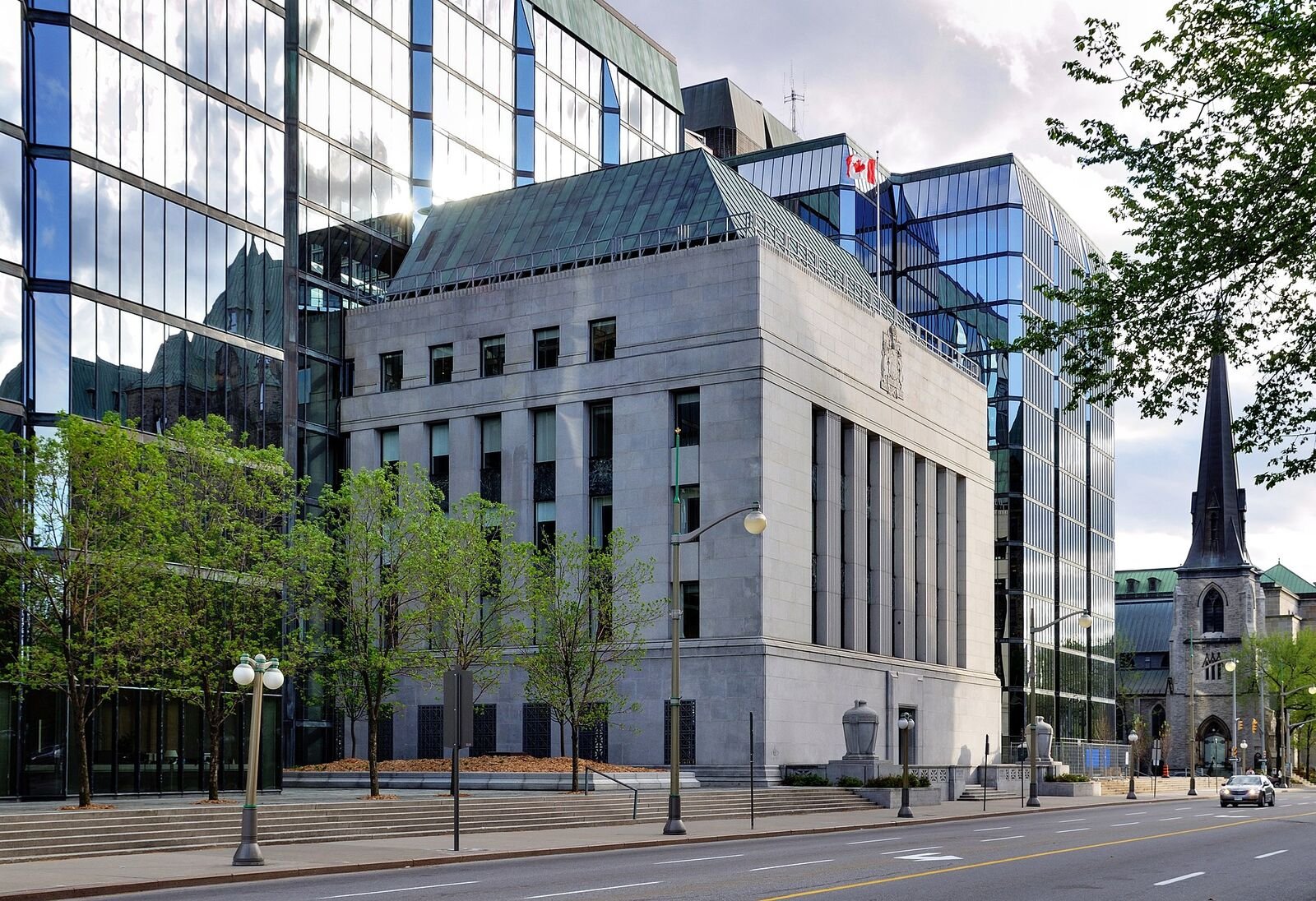
The Department of Finance prepublished the proposed Stablecoin Regulations in the Canada Gazette, Part I, Vol. 160, No. 43 on 24 October 2026, under the Stablecoin Act (royal assent March 2026) and the Retail Payment Activities Act. The regulatory impact statement says the regulations “are required to bring the SCA into force”.
What issuers would have to do
- Register with the Bank of Canada. Banks, credit unions and other prudentially regulated institutions are outside the Act.
- Reserves: a market value “equal to or greater than the total value of outstanding stablecoins at the end of each day”, in the reference currency, invested only in high-quality liquid assets, unencumbered, segregated and bankruptcy-remote, at a Canadian-incorporated qualified custodian.
- Redemption: one-to-one, within three business days of a request, with no minimum amount. Redemption fees are capped at 1%, and holders get at least seven days’ notice of any fee increase.
- Prohibitions: no false or misleading representations; no interest or yield tied to holding a stablecoin, including through third-party arrangements that reward holding more or longer; and no presenting a coin as legal tender, a deposit or insured.
Issuers would also be required to redeem stablecoins within three business days after the initial request and without a minimum redemption amount. — Regulatory Impact Analysis Statement, Canada Gazette, 24 October 2026
National security and fees
The Minister of Finance would have 60 days to decide whether to review an application on national-security grounds, extendable in 60-day blocks, and a review must finish within 180 days. Under the Act the Minister can direct the Bank to refuse registration or impose conditions. Annual assessment fees are tiered by outstanding stablecoin value. The base fee for the largest tier (C$1 billion or more) is C$750,000. The same package amends the RPAA regulations, including the national-security information that payment service providers must file.
What this piece refuses
This is a stablecoin framework for private issuers, not a central bank digital currency. Nothing here creates a “digital loonie”, and we don’t frame it as one. We also don’t treat it as a ban: it licenses issuance. The draft can change before final publication in Part II. No in-force date is set.
Bottom line
Draft rules published 24 October: Bank of Canada registration, daily 1:1 HQLA reserves at a Canadian custodian, redemption in three business days with a 1% fee cap, no yield for holding, and national-security review. Sixty days for comment.