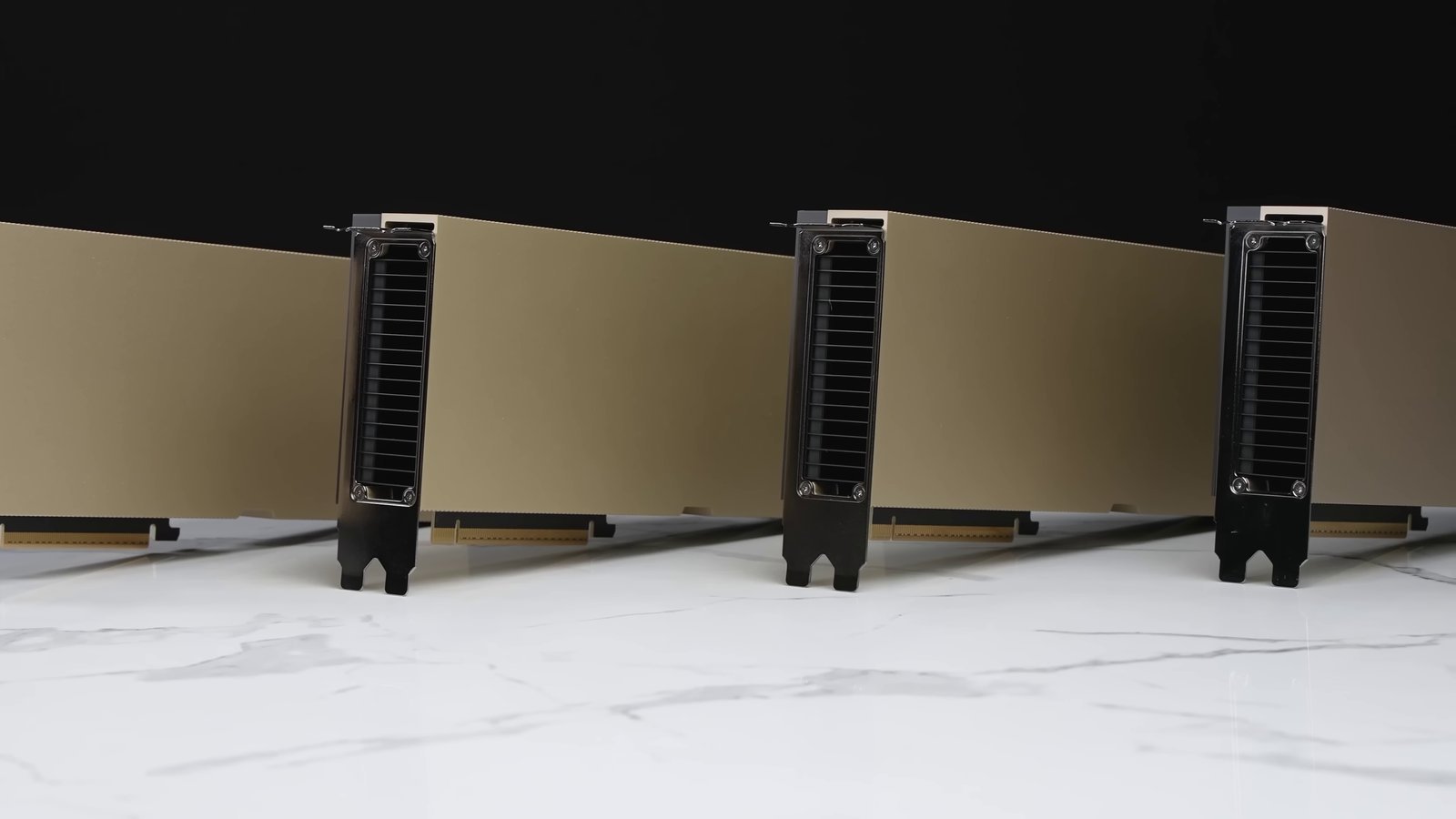
On 29 October in Montréal, Prime Minister Mark Carney announced the Government of Canada’s “commitment to making an equity investment of up to $1.6 billion in Cohere”, the Toronto-founded company that builds AI systems for businesses and governments. The PMO calls it “a commercial investment, announced alongside private investors, including NVIDIA, Bell, and Schwarz Group.”
What Cohere commits to (per the PMO release)
- Create at least 1,000 new “high-paying” Canadian technical jobs by 2030.
- Commit at least $1.7 billion to additional computing infrastructure in Canada by 2030.
- Maintain its Canadian incorporation and headquarters.
- Invest in Canadian research partnerships and opportunities for students and recent graduates.
- Keep working with the Canadian AI Safety Institute.
According to the release, the investment “will be made in stages, with regular reporting on progress against the company’s commitments, including jobs and investment in Canada.”
What the government has not published
- The percentage stake, the share price or valuation, and the stage triggers.
- Any clawback or penalty if the jobs or computing targets are missed.
- Where the “regular reporting” will be made public, and to whom.
- The investing vehicle. Minister Evan Solomon told BetaKit it is the Canada Development Investment Corporation, a Crown corporation, and that “jobs and revenue targets are key”, but he declined to give commercial terms. Neither point appears in the PMO release.
Reported context, attributed: Cohere told reporters the financing round targets about $7 billion at a valuation near $36 billion, and that only an initial close has been completed (BetaKit; Reuters via CBC). BetaKit also reports that Ottawa previously awarded Cohere up to $240 million under the Sovereign AI Compute Strategy in 2024.
Who pays, who gains
Taxpayers take on equity risk of up to $1.6 billion in a private, loss-or-gain technology company. In the PMO’s words, “all Canadians will have a share in that success”. A share in losses comes with any equity stake, though the release does not say so. Gains for workers and regions depend on whether the 1,000-job and $1.7-billion compute commitments are met and how they are enforced, and those terms are not public. The $1.7 billion in computing infrastructure is also relevant to our data-centre beat: power and siting decisions for that capacity have not been announced.