U.S. District Judge Kathleen Cardone on 2 October 2026 signed an order granting a preliminary injunction in Friends of the Ruidosa Church et al. v. Markwayne Mullin et al., Cause No. EP-26-CV-1099-KC (W.D. Tex., El Paso Division; CourtListener 3:26-cv-01099). Document 66 stops border-barrier construction and related ground disturbance in the Big Bend Sector until the government complies with the laws the Secretary had waived. A memorandum explaining which claim is likely to succeed will follow. This is not a final judgment and not a ruling that every mile of the southern border is enjoined.
The injunction stops Big Bend Sector barrier work until defendants comply with the laws the waivers set aside — it does not decide the case, and a written opinion is still coming.
What the order actually does
After an evidentiary hearing on plaintiffs’ motion (ECF No. 34), the Court found plaintiffs are likely to succeed on the merits of at least one claim, that they are likely to suffer serious irreparable harm without an injunction, and that the balance of equities and the public interest favour them. It then ordered, effective immediately and until the Court says otherwise:
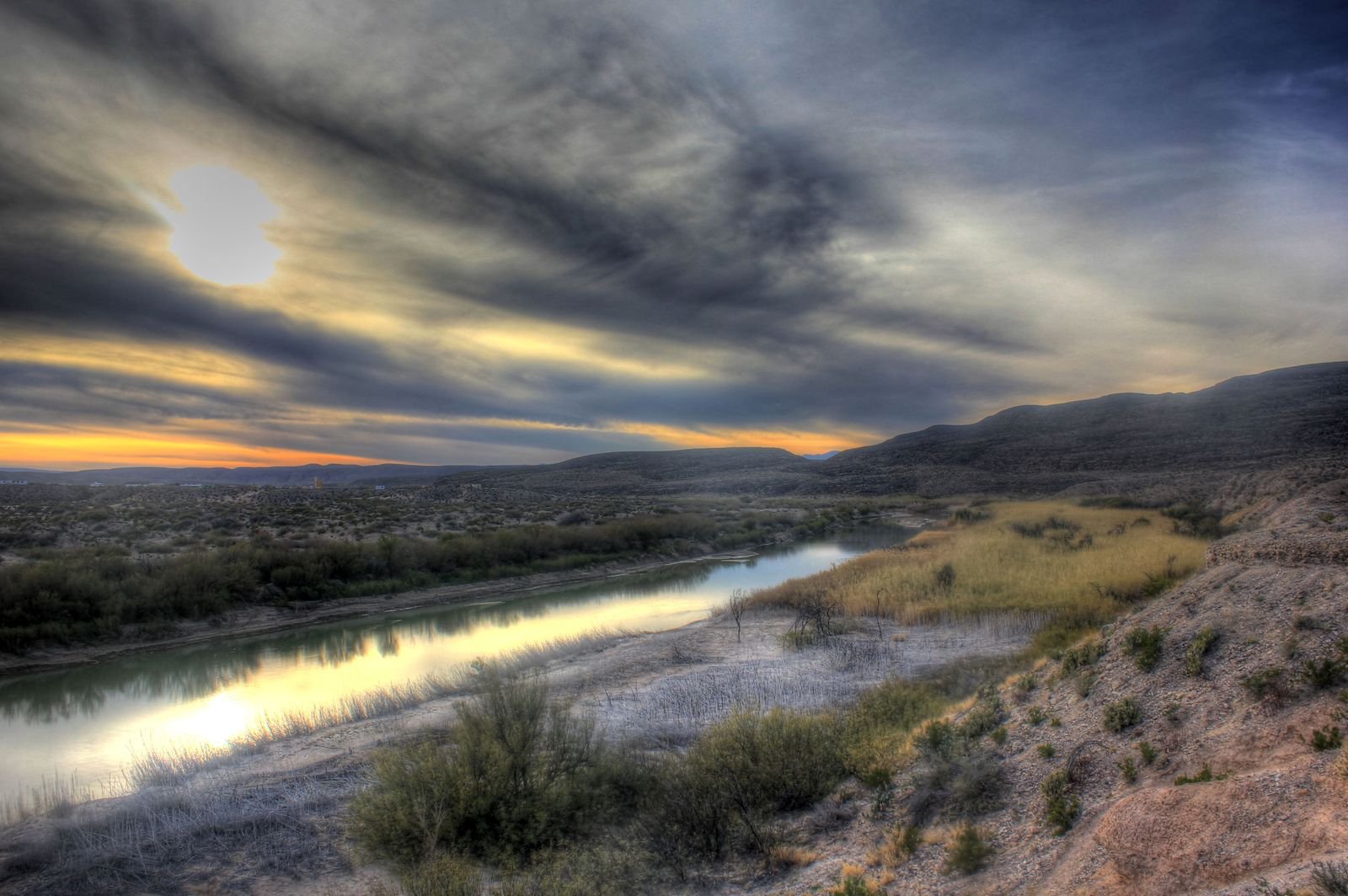
Defendants shall not build border barrier or related infrastructure, or engage in any construction or ground-disturbing activities, in the Big Bend Sector until and unless they comply with all applicable laws. They must do so notwithstanding the “Big Bend Waivers,” which the order names as:
- the “West Waiver,” 91 Fed. Reg. 7297 (17 Feb 2026), as amended by 91 Fed. Reg. 40550 (2 July 2026);
- the “National Park Waiver,” 91 Fed. Reg. 27969 (15 May 2026), as amended by 91 Fed. Reg. 34831 (9 June 2026);
- the “Lower Canyons Waiver,” 91 Fed. Reg. 46939 (27 July 2026).
The effect of all “Big Bend Waivers” is stayed for the duration of the injunction. Plaintiffs are the Center for Biological Diversity, Friends of the Ruidosa Church, and Danny William Miller Jr. Defendants include Homeland Security Secretary Markwayne Mullin, DHS, and Customs and Border Protection. The docket shows the suit was filed 16 April 2026; on 29 September defendants filed a notice regarding the end of a Big Bend construction pause. The injunction landed the next court day.
What the waived notice itself claimed
The National Park Waiver notice (91 Fed. Reg. 27969, 15 May 2026) is a section 102(c) IIRIRA determination by Secretary Mullin. It calls the Big Bend Sector an area of high illegal entry and states that, between fiscal years 2021 and 2025, Border Patrol apprehended over 89,000 people attempting to enter between ports in that sector, and seized stated weights of marijuana, cocaine, methamphetamine, heroin, and fentanyl. Those figures are the Secretary’s sector-wide tally in the notice — not a finding by Judge Cardone about crossings inside the national park, and not a number this piece re-audits. The same notice waives, for barrier and road construction in its project area, a long list of statutes including the National Environmental Policy Act, the Endangered Species Act, the Clean Water Act, the National Historic Preservation Act, the Wild and Scenic Rivers Act, and the National Park Service Organic Act. A 9 June 2026 amendment (91 Fed. Reg. 34831) is the correction the injunction cites; this piece does not restate map coordinates from the uncorrected May text.
What this piece refuses
Do not treat the injunction as a final holding that the waivers are unlawful, or as a ban on barrier construction outside the Big Bend Sector. Do not adopt advocacy tallies — including claims that the park saw 0.045% of national apprehensions, that no unauthorized vehicle crossing has ever been documented, or that this was the “first waiver in a national park in U.S. history” — as findings of the order. The order does not say which claim is likely to succeed. A separate 2 October 2026 Federal Register notice (91 Fed. Reg. 62739) waives specified New Mexico water-law requirements for an El Paso Sector project area in New Mexico. That notice is not one of the Big Bend waivers stayed here.
Contested: Conservation plaintiffs and local river businesses say the waivers let DHS scar a national park and canyon economy without the statutes Congress wrote for those lands. DHS’s notices say the sector is high illegal entry and that barriers are required for operational control. Report both. The verified ledger is the injunction’s scope.
Bottom line
Verified as of 3 October 2026: Doc. 66 (2 Oct) preliminarily enjoins Big Bend Sector border-barrier and ground-disturbing work and stays the named IIRIRA waivers until defendants comply with applicable law or the Court orders otherwise. Watch the memorandum opinion and any appeal — not a declaration that the wall is cancelled.